Eugene Buechel
Eugene Buechel (1874-1954) occupies a distinct and important space within early 20th-century documentary photography. Born in Schleida, Germany, he dedicated his life primarily to service as a Jesuit priest and missionary. His career was defined by intensive scholarship, focusing on his roles as a respected linguist and anthropologist among the Brulé (Sicangu) and Oglala Lakota on the Rosebud and Pine Ridge Reservations in South Dakota.
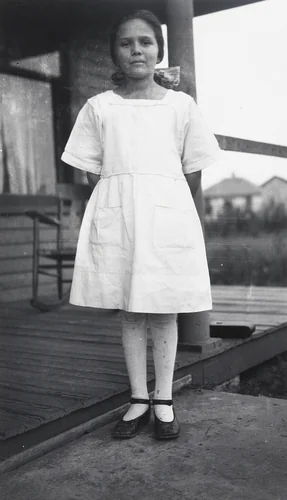
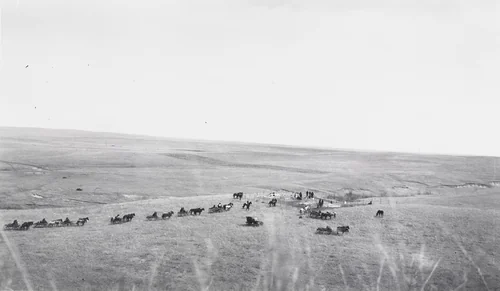
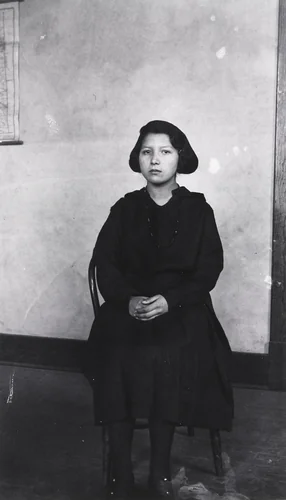
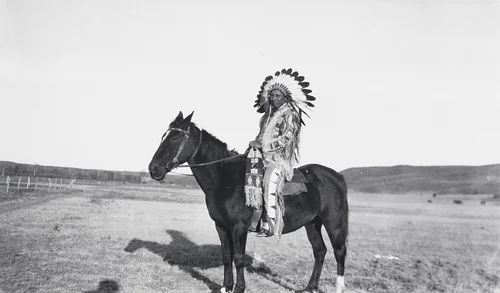
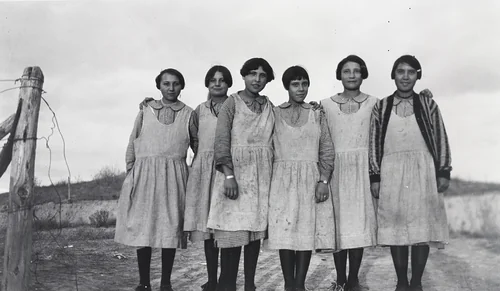
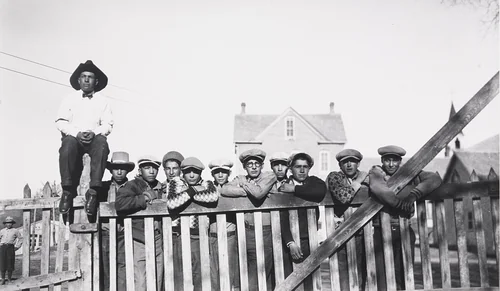
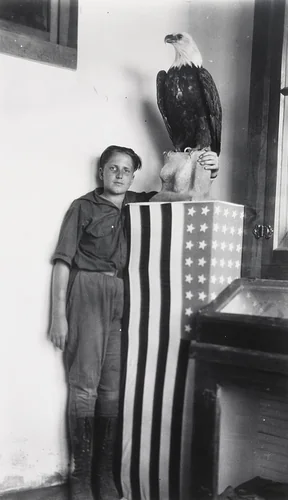
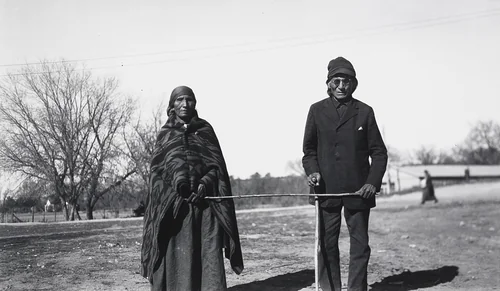
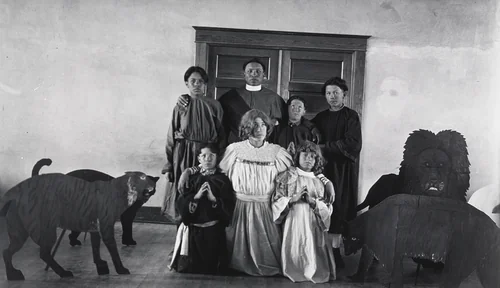
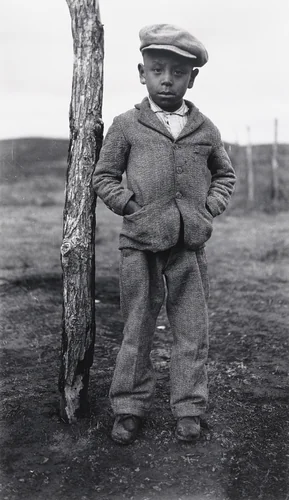
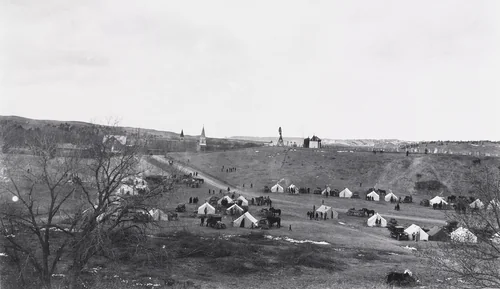
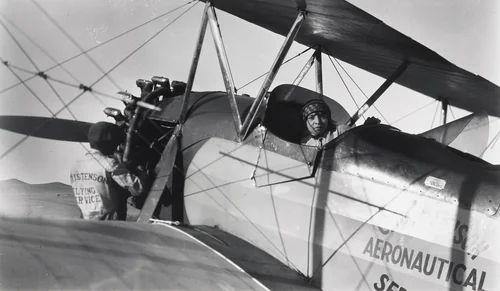
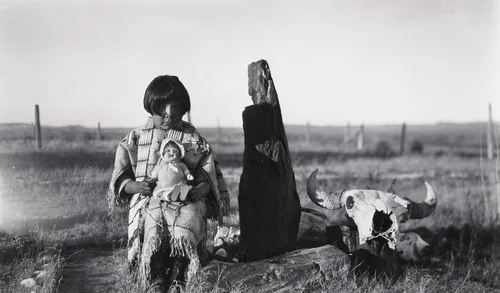
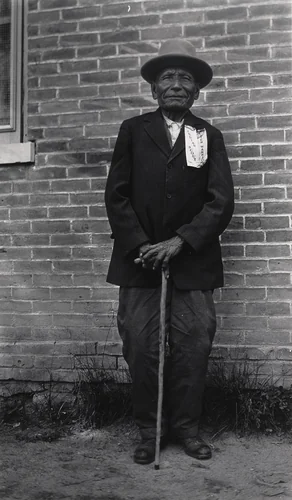
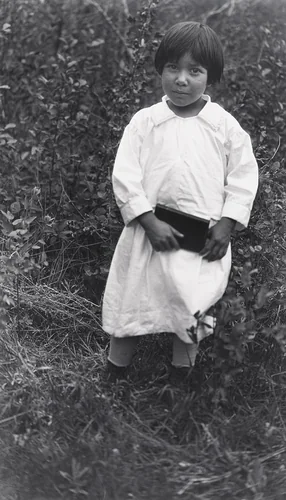
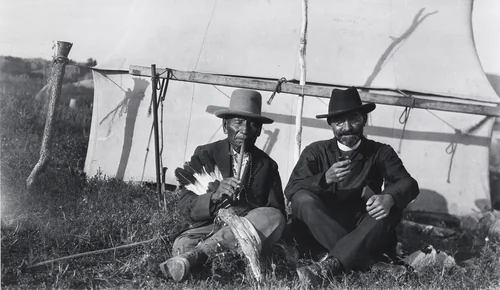
While Buechel’s religious and academic work spanned decades, his recognized photographic contribution is concentrated in a brief, highly focused period. Between 1922 and 1928, Buechel produced a concise body of images that captured daily life and significant events within the Lakota communities he served. The historical and artistic authority of these works is immediately established by their presence in prestigious collections, including the Museum of Modern Art.
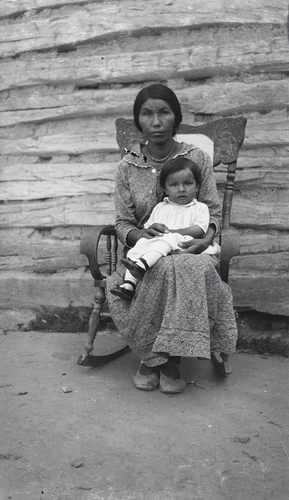
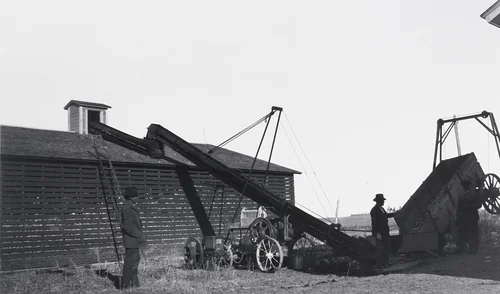
Buechel’s approach was that of an empathetic observer, blending the meticulous record-keeping of the ethnographer with an unvarnished clarity of vision. His lens documented a wide range of subjects, from quiet domesticity, such as Mrs. Charles Clifford, Jr. and Child, to scenes reflecting technological and institutional change, evidenced by The New Elevator at St. Francis. Crucially, his works serve as high-quality prints of invaluable historical record, preserving the social structure and customs of the time.
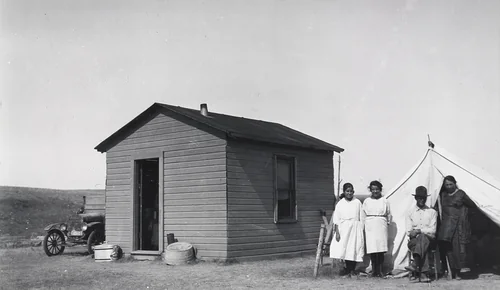
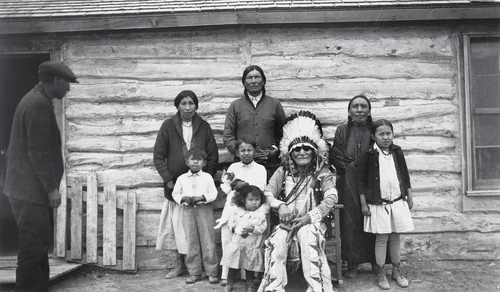
This documentation often reveals intimate, almost diaristic moments. The poignant community gathering recorded in Bessie Moccasin Face's Funeral (White Horse Camp) contrasts sharply with the logistical humor found in Tom Elrod and Family (Except Inez) at Home, an annotation suggesting the universal difficulty inherent in organizing any group portrait.
Buechel’s images, though few in number, are significant for their candid contribution to the visual history of the American West. Today, much of his visual output has transitioned into the public domain, ensuring accessibility. This availability allows scholars and enthusiasts to utilize this royalty-free documentation, continuing to study the museum-quality portraits and cultural records left by the scholar-priest. Buechel continued his scholarly mission until his death in Nebraska in 1954, but his fleeting period behind the camera provided an enduring legacy.
Source: Wikipedia · CC BY-SA 4.0