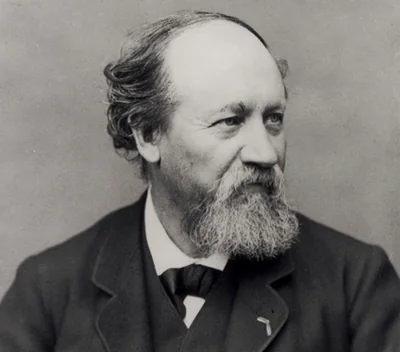
Eugène Boudin
Eugène Louis Boudin (1824-1898) holds a foundational position in the development of modern French painting, recognized today as a crucial pioneer of plein air practice. Before the Impressionism movement coalesced, Boudin was among the first French landscape artists to systematically move his easel outdoors, fundamentally shifting the focus of art from studio composition to observed, immediate reality.
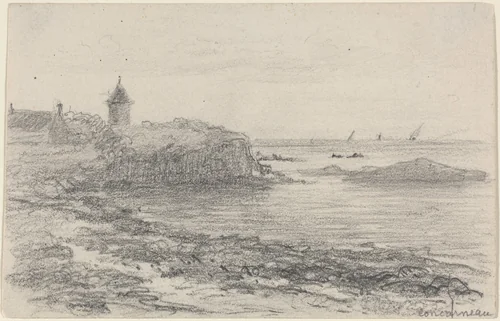
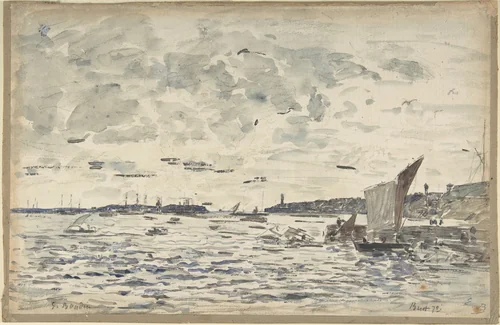
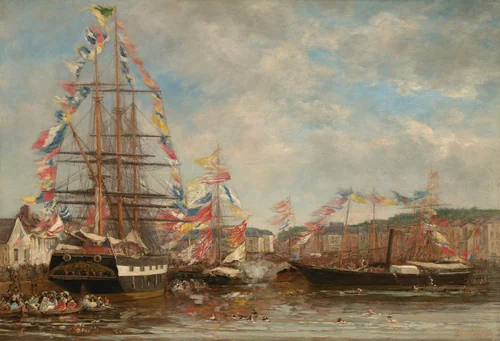
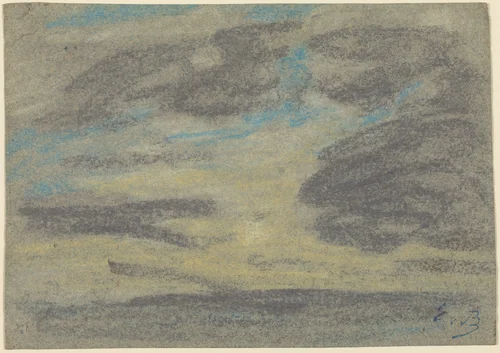
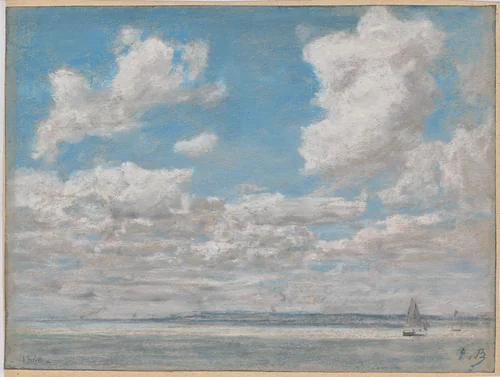
He was, above all, a marine painter, developing an expertise unrivaled in rendering the complex interactions between water, atmosphere, and human activity along the coast. This profound dedication to capturing the constantly shifting light earned him the lasting, deserved moniker from Camille Corot: "The King of the skies." His detailed renderings of coastal life and shipping are central to understanding the mid-19th-century French coastal experience, with major works residing in the collections of the Metropolitan Museum of Art and the Cleveland Museum of Art.
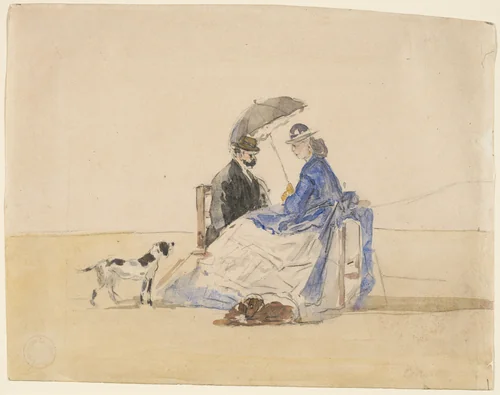
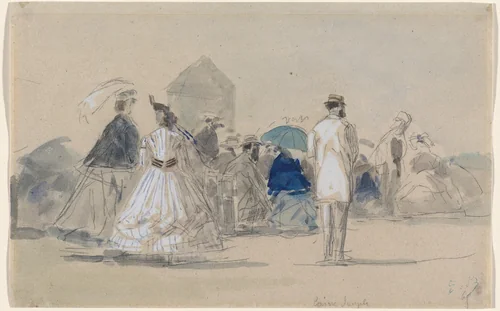
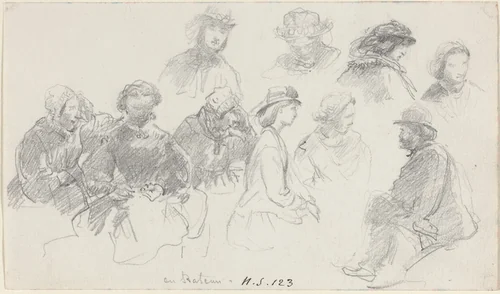
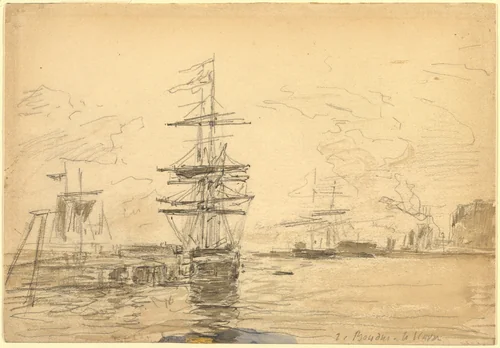
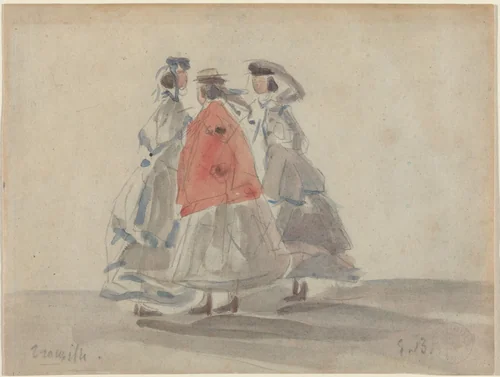
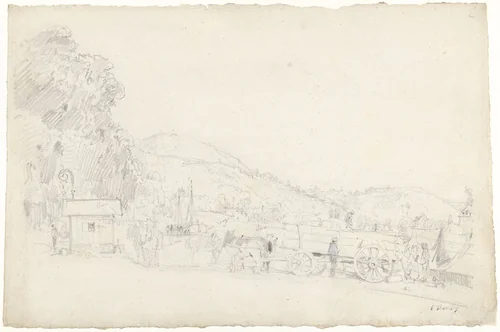
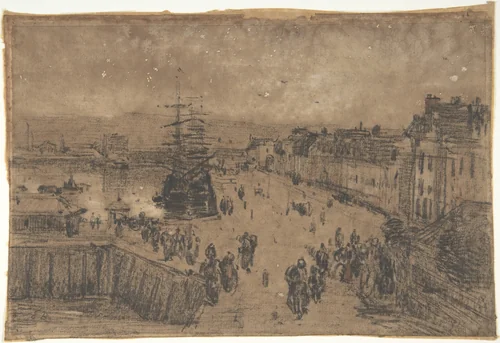
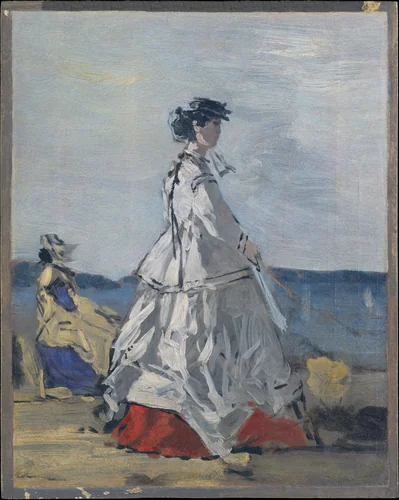
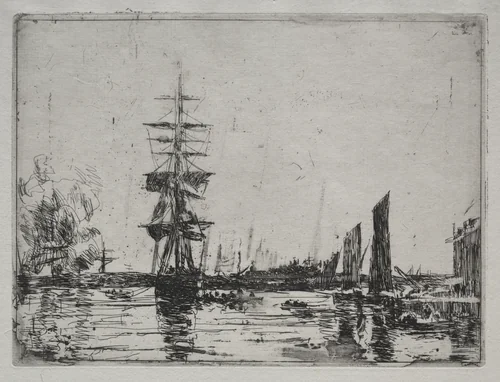
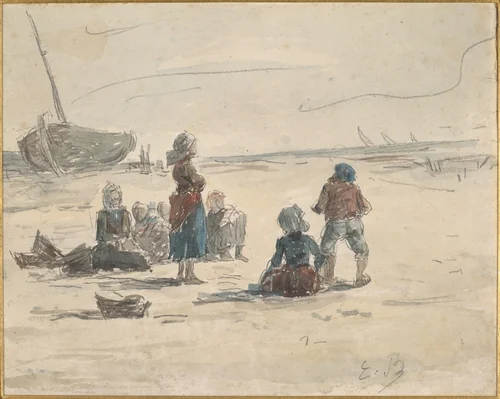
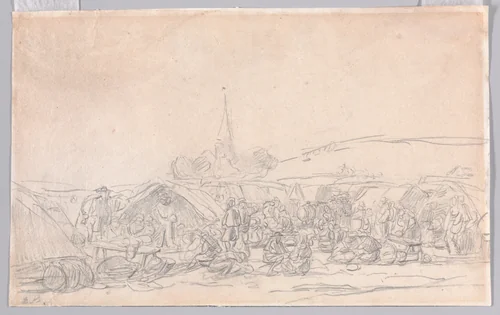
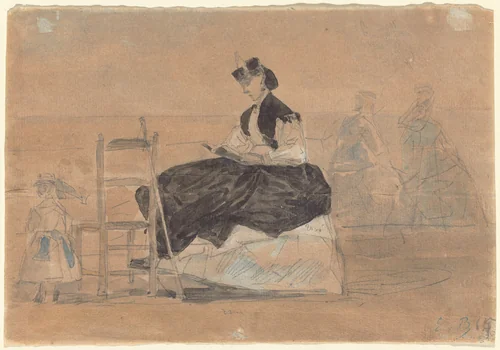
Boudin’s chosen subjects ranged from the social life of the burgeoning leisure class to the rigorous work of seafaring. Canvases such as Crinolines on the Beach and A Couple Seated on the Beach with Two Dogs captured the specific, transient fashions of contemporary tourism with an almost ethnographic precision. Yet he was equally masterful in depicting the functionality of coastal trade, evident in studies like Ships in Harbor and scenes of travel such as Passengers on Shipboard.
His technique was characterized by immediacy and economy, particularly in his pastels. These quick, summary studies were admired by critics, most notably Charles Baudelaire, whose splendid eulogy validated Boudin’s innovative approach to color and light. Boudin’s influence extended directly to younger artists, including Claude Monet, who acknowledged Boudin’s critical role in steering him toward the direct observation of the open air. This historical significance ensures the continued study and appreciation of Eugène Boudin paintings and prints. Many of his key works are now in the public domain, allowing scholars and collectors to obtain museum-quality downloadable artwork, ensuring his subtle mastery remains globally accessible.
Source: Wikipedia · CC BY-SA 4.0