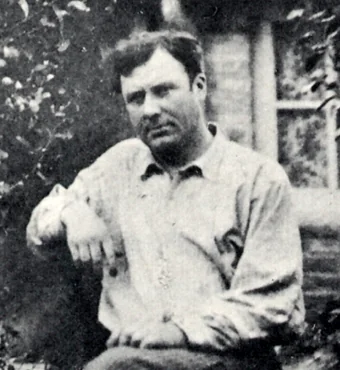
Eugène Atget
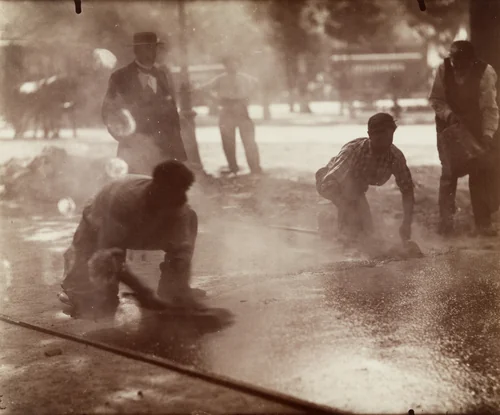
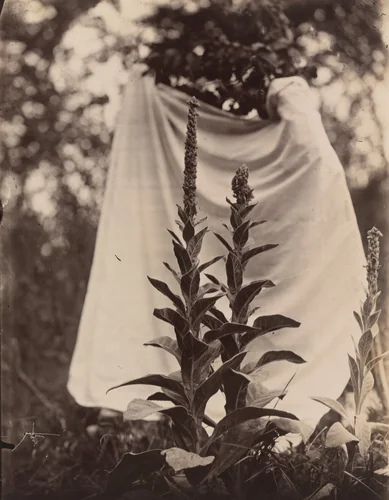
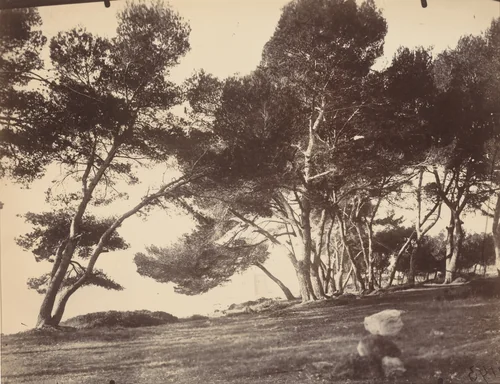
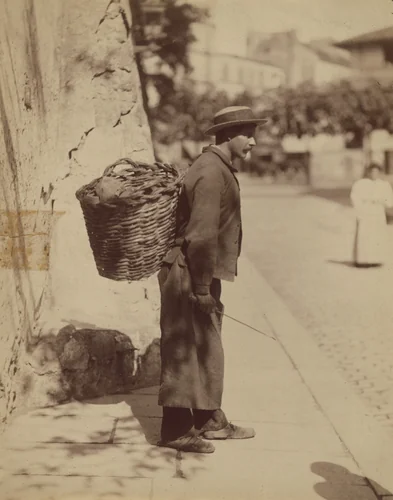
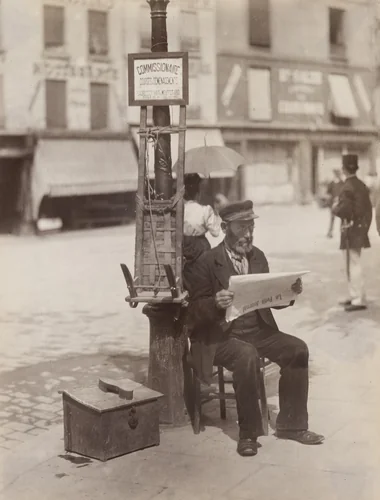
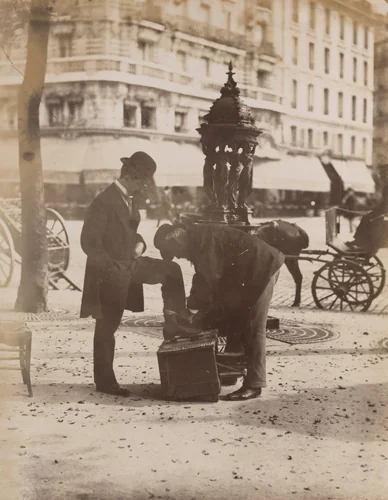
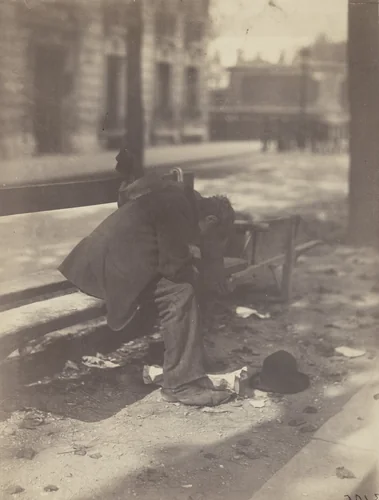
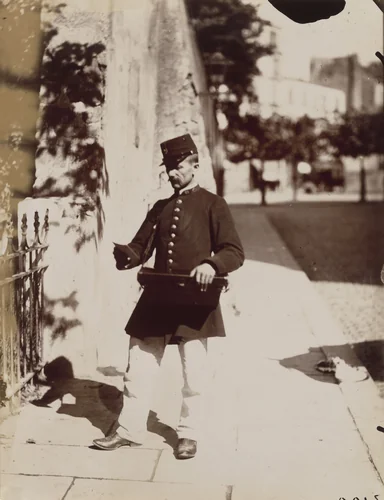
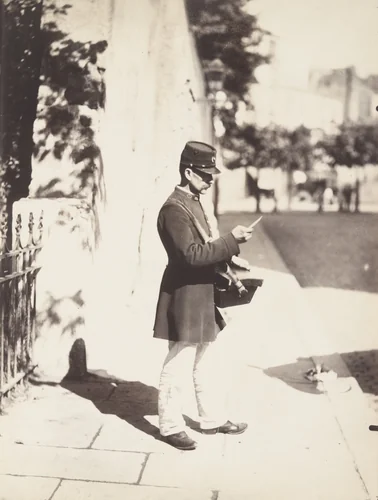
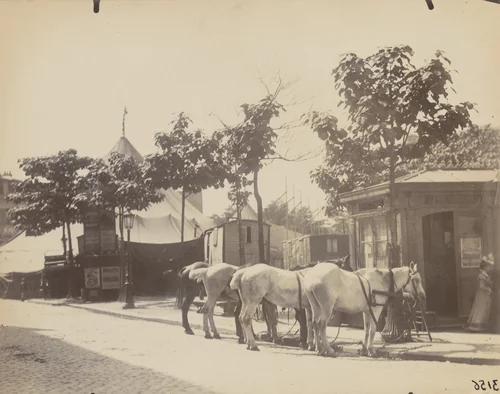
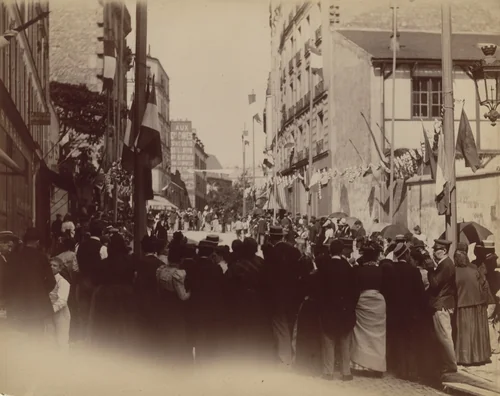
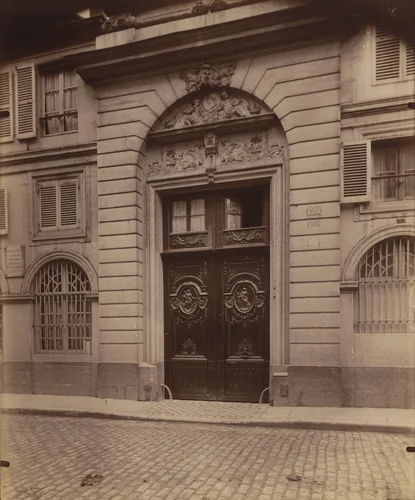
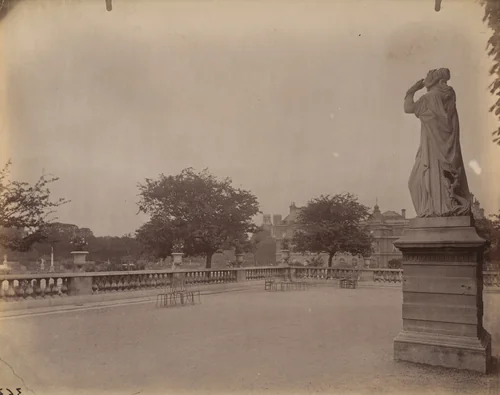
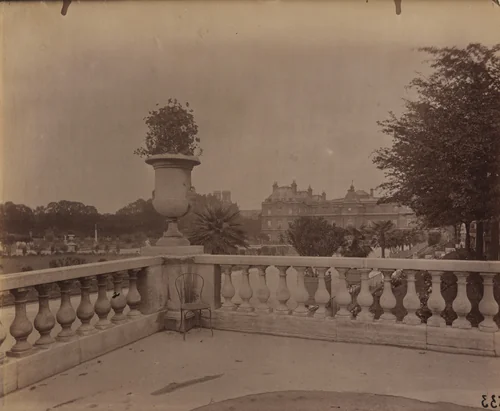
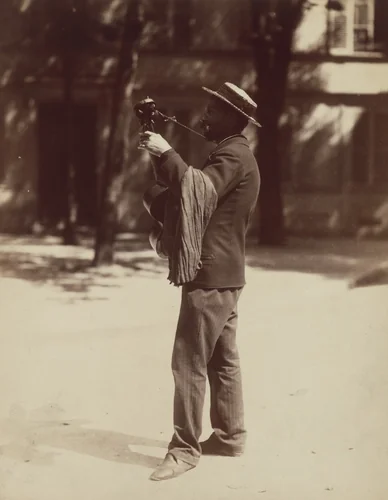
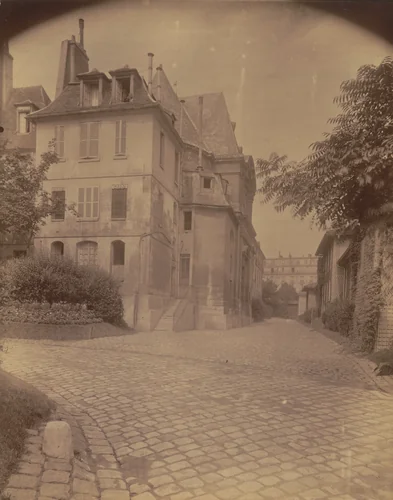
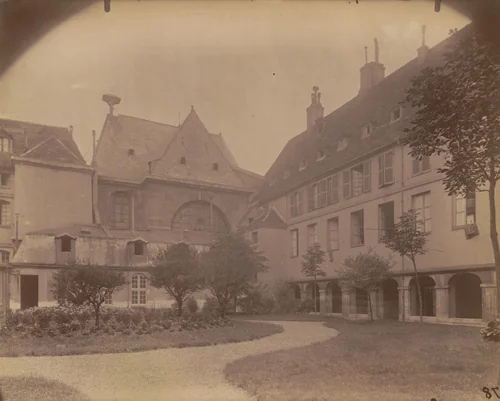
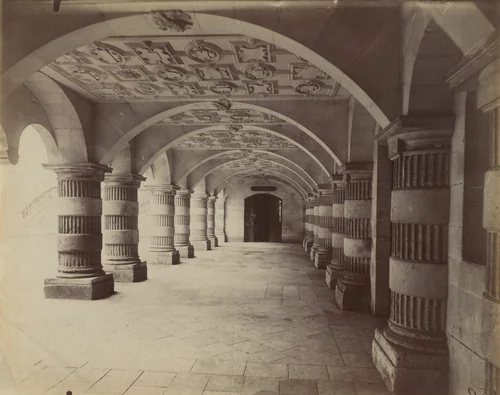
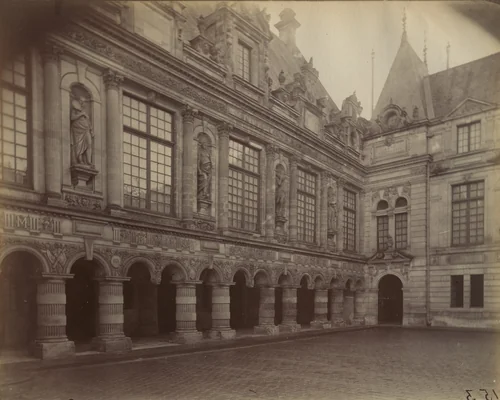
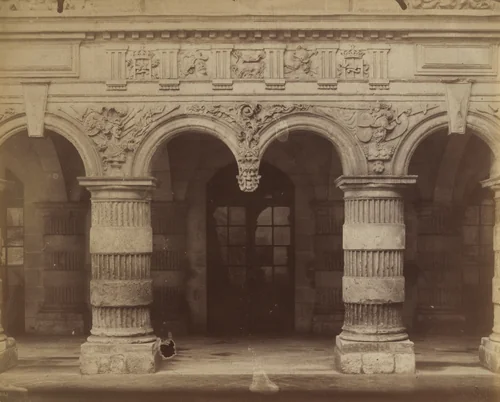
Eugène Atget (1857-1927) stands as a foundational figure in modern documentary photography, recognized for his systematic, exhaustive cataloging of Paris during the late nineteenth and early twentieth centuries. Operating as a dedicated flâneur with a camera, Atget pursued the ambitious, nearly impossible task of creating a visual inventory of the city’s built environment and street life, determined to capture these historical elements before their irreversible erasure by rapid modernization. His singular focus on vanishing facades, tucked-away courtyards, and specific commercial details elevated his output from mere topographical record to poignant cultural observation.
Atget’s methodology was characterized by its quiet persistence and directness. Utilizing a large-format view camera, he captured the specific atmosphere of everyday urban spaces, focusing intently on architectural structures and the material culture of small businesses. Pieces such as Flower Stand, Interior, and the specialized "rag picker’s series," exemplified by Junk Dealer's Shop, demonstrate his commitment to documenting the vernacular realities often overlooked by his contemporaries. Though he earned a living selling his albumen prints directly to artists, designers, and craftspeople for use as working reference materials, the consistency and aesthetic integrity of his images secured their future as museum-quality photographic art.
During his lifetime, Atget received recognition primarily within select artistic and design circles, notably influencing the emerging Surrealists who found profound resonance in his strangely deserted street scenes and meticulously documented material details. He did not, however, live to witness the full international acclaim his archive would eventually garner. That crucial legacy was secured largely through the efforts of the American photographer Berenice Abbott, who recognized the historical and artistic value of his vast collection upon his death in 1927. She acquired a significant portion of his plates and negatives, ensuring their preservation and eventual widespread publication. Today, thanks to the accessibility afforded by the status of much of his work residing in the public domain, aficionados can access high-quality prints that reveal the meticulous documentation project of this dedicated chronicler of Paris—a man who perhaps understood better than anyone that the modern city is constantly in the process of becoming a memory.
Source: Wikipedia · CC BY-SA 4.0