Eugen Napoleon Neureuther
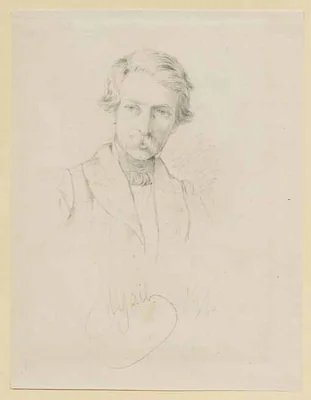
Eugen Napoleon Neureuther (1806-1882) was a versatile German artist, recognized equally as a painter, etcher, and illustrator. While his career spanned much of the 19th century, his most incisive graphic work emerged during the active period between 1836 and 1848, cementing his reputation as a master of sophisticated narrative prints. Unlike some contemporaries who focused solely on grand historical canvases, Neureuther dedicated significant energy to graphic media, often translating literary source material or contemporary satire into highly detailed compositions. His contributions to German visual culture are held today in major institutions, including the Art Institute of Chicago, the National Gallery of Art, and the Cleveland Museum of Art.
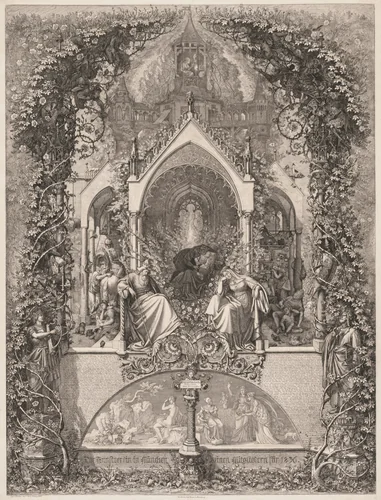
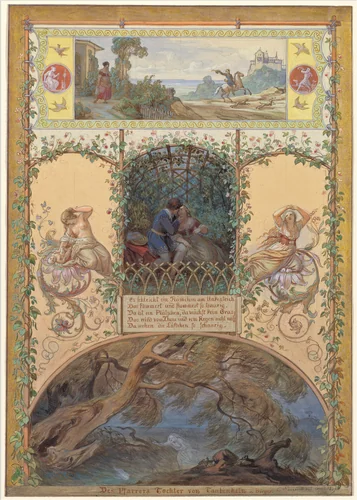
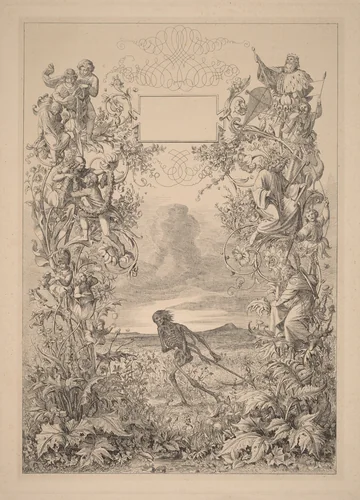
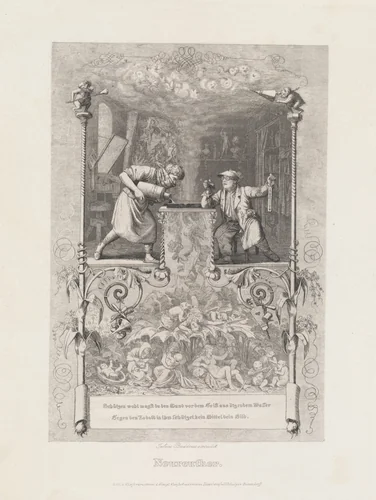
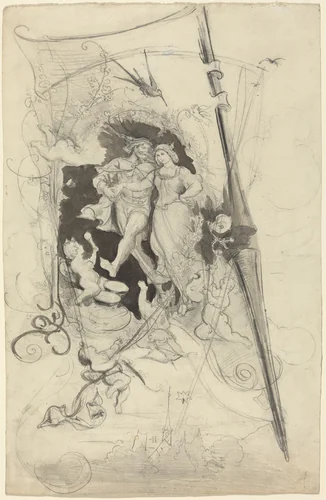
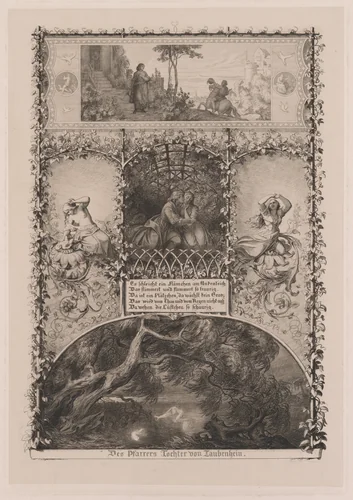
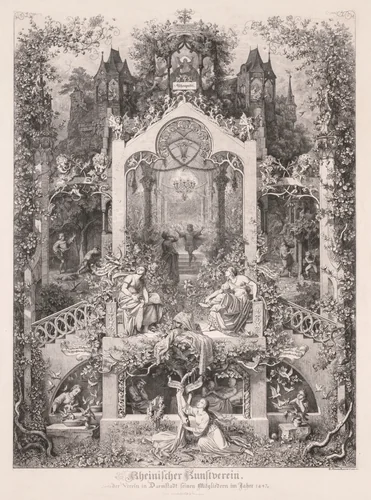
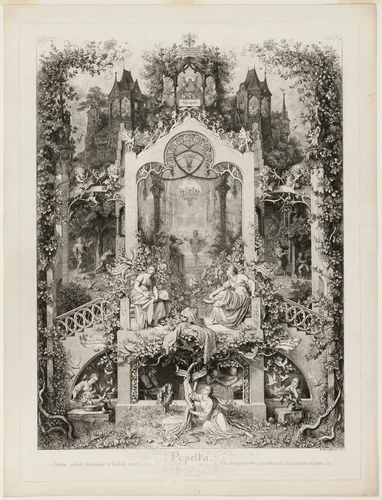
Neureuther’s particular strength lay in etching, a medium that allowed for the intricate line work essential for his diverse range of subjects, which spanned from the folkloric to sharp social commentary. This output included sophisticated literary illustrations, such as the dramatic print Des Pfarrers Tochter von Taubenhein (The Parson’s Daughter from Taubenhain), and darkly witty moral commentaries, notably Heute Roth, Morgen Tod (Today Red, Tomorrow Dead). He also explored iconic fairy tales, producing his celebrated interpretation of Little Briar Rose (Sleeping Beauty), showcasing his ability to fuse Romantic sensibility with precise technical execution.
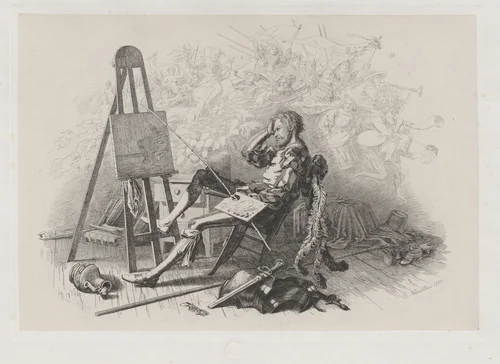
The artist demonstrated a keen observational eye, particularly in genre scenes concerning the artistic milieu. A notable example is Morning after the Masked Ball: Emil Theodor Richter at His Easel, which captures the slightly disheveled reality of artistic life, providing a compelling contrast to the idealized narratives often found in his folkloric series. His self-referential work, Neureuther (Self-Portrait in the Etching Studio), further illustrates the professional working environment of the mid-19th century graphic artist.
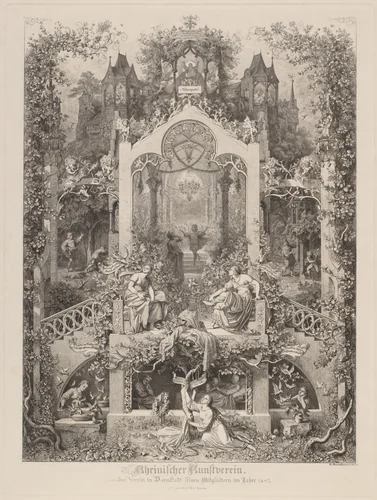
Although the body of work described as Eugen Napoleon Neureuther paintings is significant, it is through his extensive and accessible collection of etching and illustration that his artistic personality shines most clearly. It is perhaps fitting that an artist named Napoleon, whose renown relied upon meticulous detail and wit rather than sweeping conquest, specialized in the intimate scale of the museum-quality print. Today, many of his significant Eugen Napoleon Neureuther prints are available through the public domain, offering historians and enthusiasts royalty-free access to downloadable artwork that exemplifies mid-19th century German draftsmanship.
Source: Wikipedia · CC BY-SA 4.0