Esther Howland
Esther Howland (1828–1904) stands as a foundational figure in American commercial art, recognized both as a skilled artist and the entrepreneur responsible for fundamentally popularizing Valentine’s Day greeting cards across the United States. Active primarily between 1842 and 1860, Howland elevated the simple sentimental token into a sophisticated, multi-layered work of paper engineering. Her innovative designs transformed a predominantly European tradition into an indigenous American phenomenon, solidifying the Valentine as an essential component of the nineteenth-century romantic exchange. Today, examples of her meticulous work are held in prestigious institutional collections, including the Metropolitan Museum of Art and the Art Institute of Chicago.
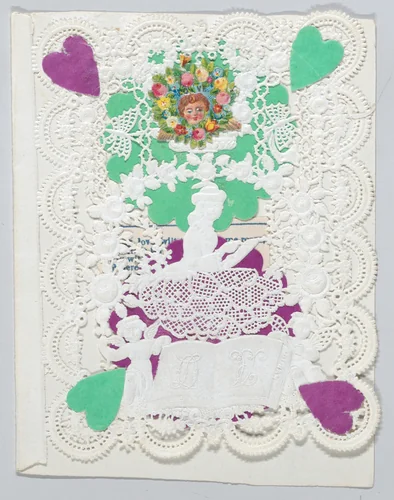
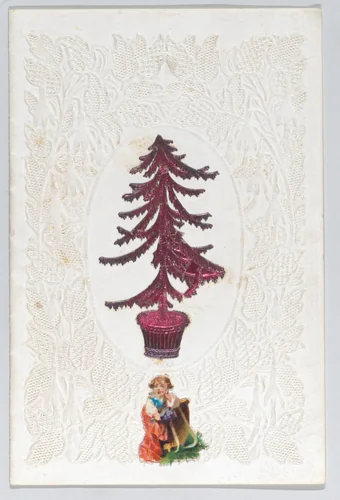
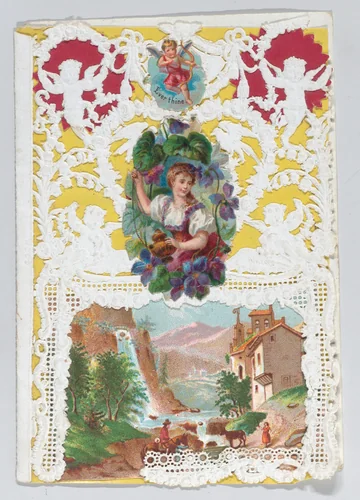
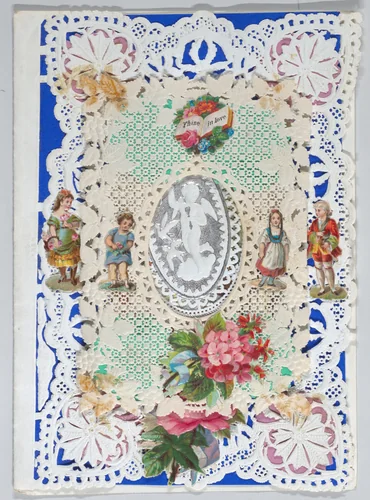
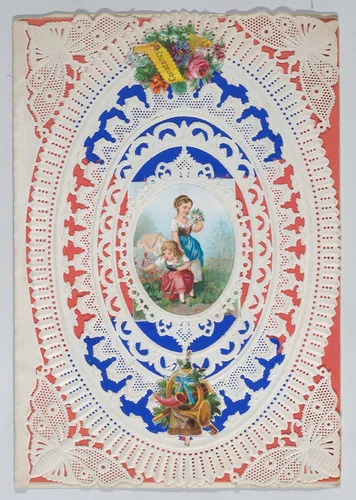
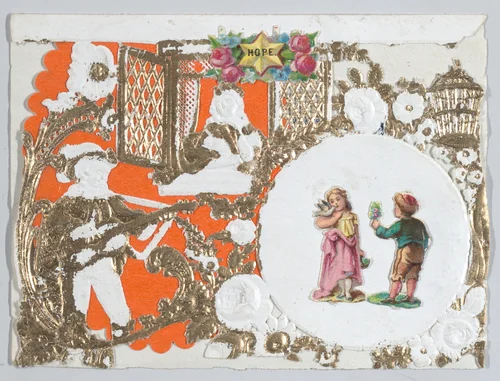
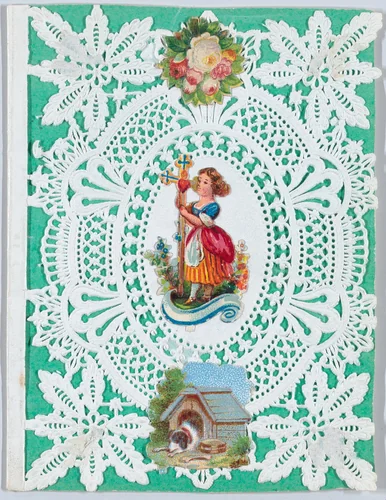
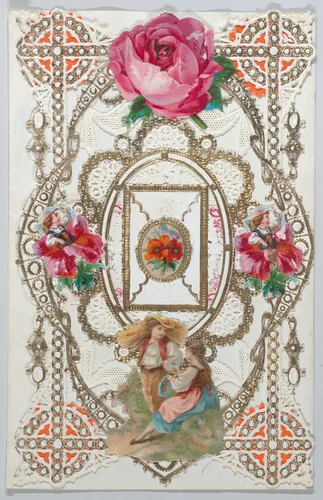
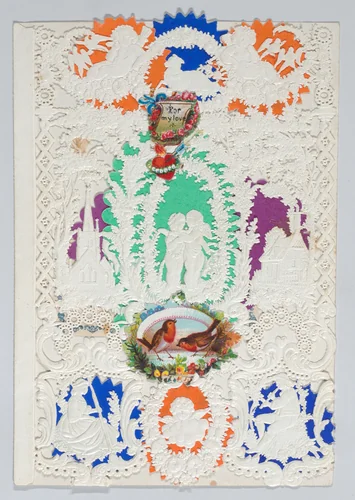
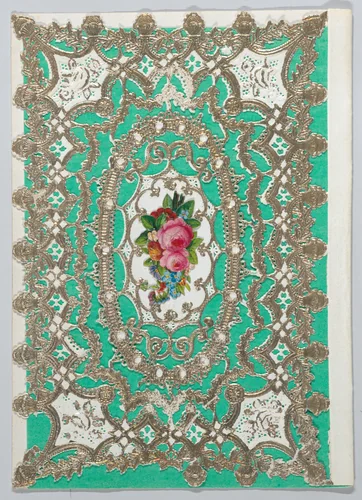
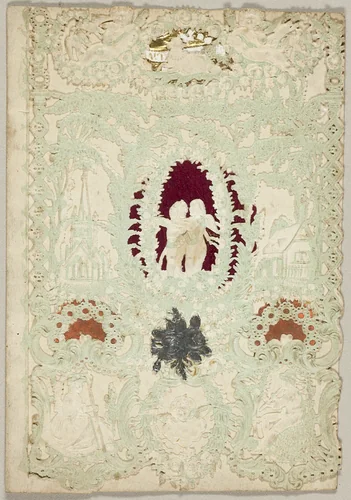
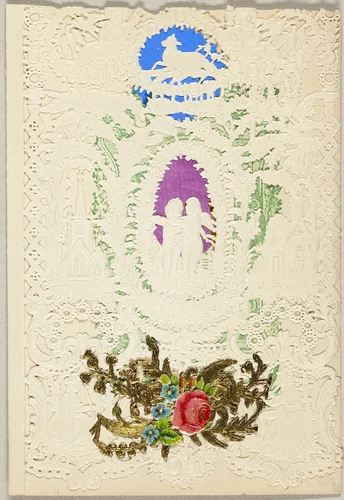
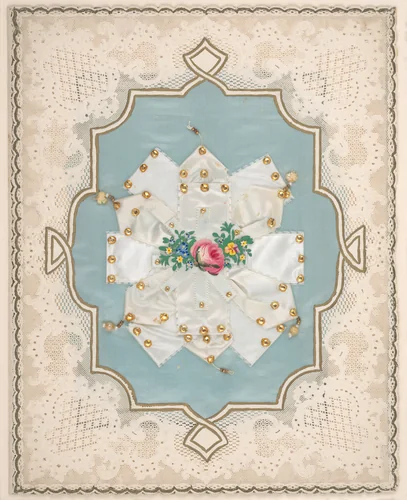
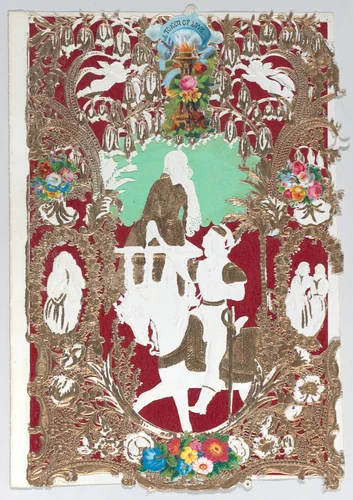
Howland’s creative approach focused on translating elaborate, high-cost imported English "fancy work" into domestically producible designs. Her signature style centered on meticulous assembly, utilizing fine materials like delicate lace paper, embossed designs, foil cutouts, and small hand-colored lithographs known as "scraps." Howland’s Valentine compositions were often intricate layered structures, sometimes featuring hidden compartments or complex pull-tabs, all contributing to a rich, three-dimensional aesthetic rarely seen in American printmaking of the period. While the subject matter was consistently allegorical and sentimental-hearts, flowers, cupids, and doves-the execution required rigorous detailing and careful hand-finishing.
The shift from private creation to professional, high-volume production was Howland’s defining entrepreneurial achievement. After initial success copying European models, she established the New England Valentine Company in Worcester, Massachusetts. She developed an efficient assembly system, employing local women to hand-finish components that had been previously machine-cut or stamped. This division of labor allowed her to meet the rapidly growing national demand for affordable, yet aesthetically ambitious, artistry.
Howland proved that deeply romantic sentiment could be perfectly paired with mechanical reproduction, demonstrating that the artistic value lay in the refinement of the materials and the complexity of the final design. It is an interesting footnote to art history that one of the most prolific and recognizable artists of the sentimental era executed very few of the final objects herself, preferring to manage the complex orchestration of design and manufacturing. The success of her company guaranteed the enduring aesthetic of Esther Howland prints, which are valued today for their historical detail and artistry. For scholarly study, many of these museum-quality designs are now available as high-quality prints, preserving her unique contribution to American visual culture.
Source: Wikipedia · CC BY-SA 4.0