Esther Hansen
Esther Violet Hansen established her legacy not in the creation of new designs, but in the meticulous preservation of America’s visual history. Hansen was a key contributor to the Index of American Design (IAD) during its most active period between 1935 and 1940. This federal documentation project was designed to safeguard visual records of American material culture from the colonial era through the nineteenth century, and Hansen’s precise illustrations form an essential part of the collection now housed at the National Gallery of Art.
Unusually for a design documentarian, Hansen’s primary scholarly focus lay in antiquity. She was a distinguished classical scholar, a Guggenheim Fellow, and served as a Professor in Classics at Elmira College from 1934 to 1963, specializing specifically in the Kingdom of Pergamon, a Hellenistic-era monarchy in western Asia Minor. This academic background lends a critical precision to her artistic output; she approached the documentation of ephemeral domestic goods with the rigorous, objective eye of an archaeologist charting long-vanished civilization.
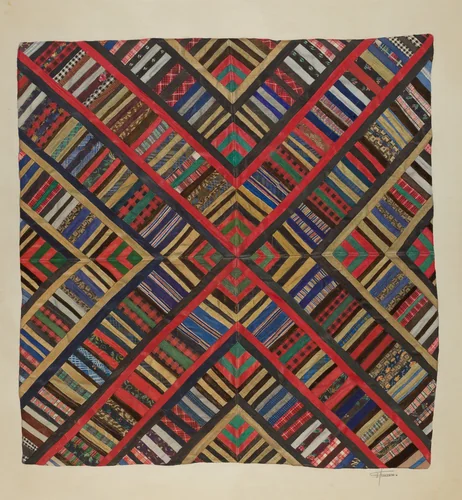
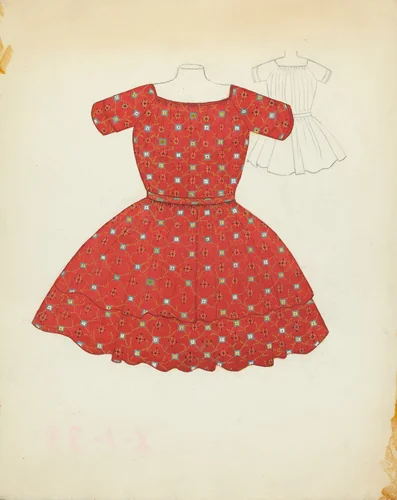
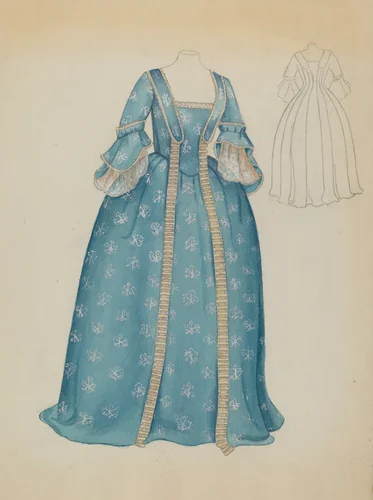
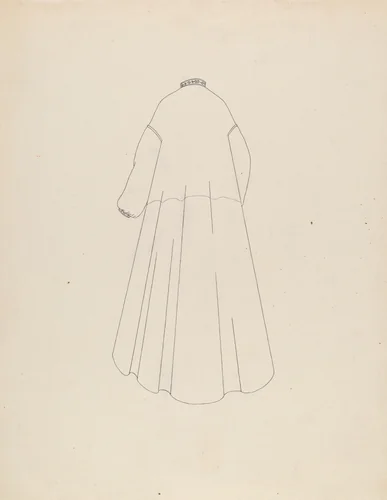
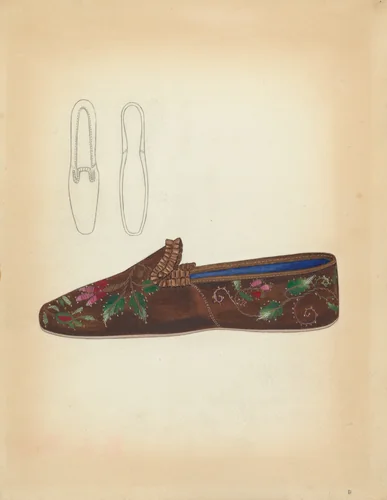
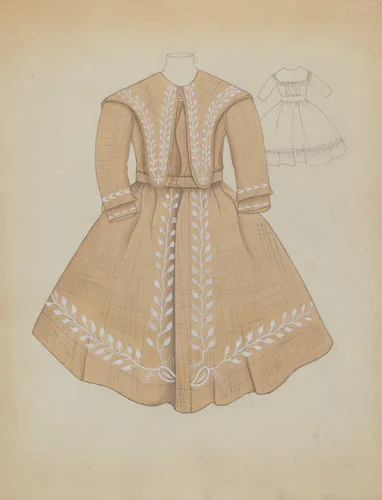
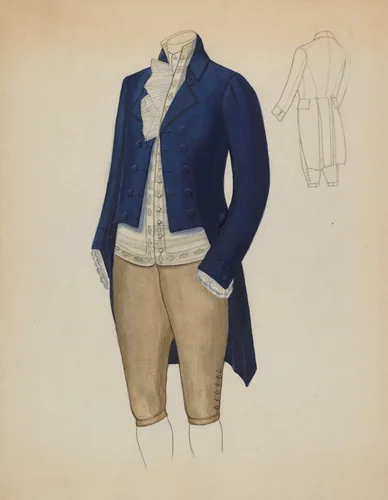
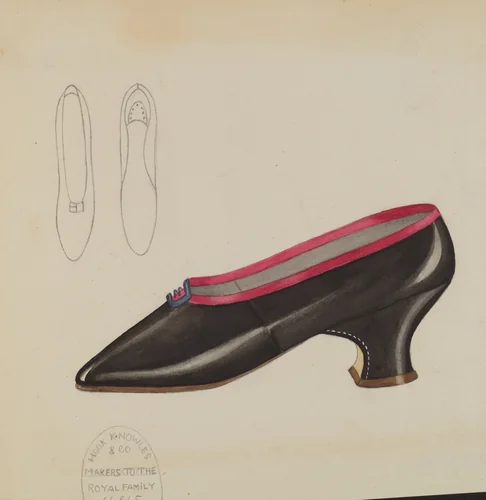
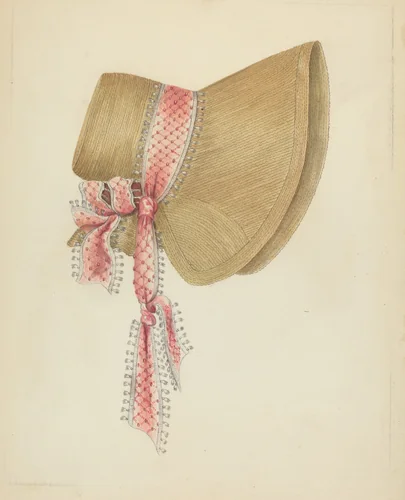
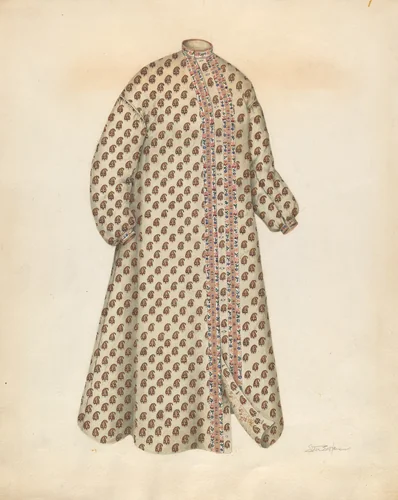
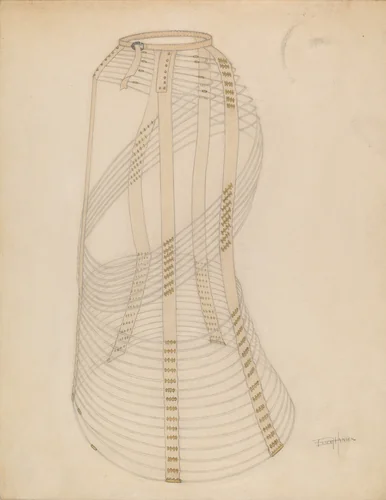
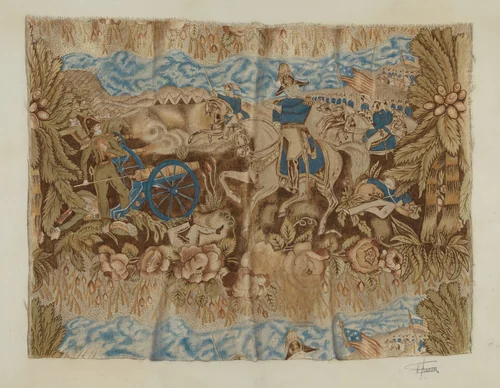
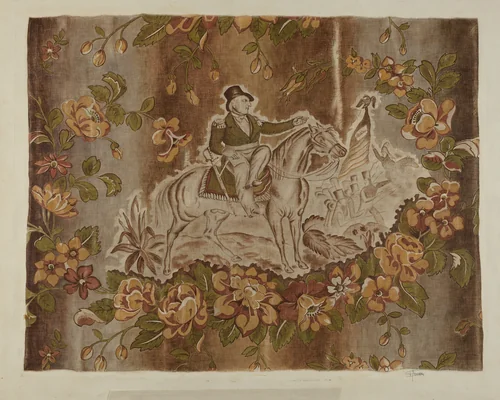
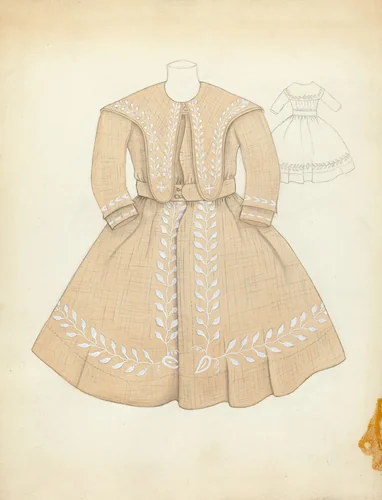
Her portfolio of fourteen known contributions to the IAD focuses acutely on textiles and functional fashion, items that are often overlooked in historical records. Her renderings include detailed studies of a Bedspread, a practical Dress, a refined Dressing Gown, a Child's Dress, and an elegant Lady's Slipper. These are not simply sketches, but detailed, museum-quality technical illustrations that capture texture, stitching, and construction methodology.
The enduring significance of her work lies in its clarity and accessibility. Developed through a public program, Hansen’s designs are widely available today as downloadable artwork. Her exhaustive, detailed renderings offer valuable resources for researchers studying early American domestic life, making available high-quality prints of historically authenticated objects. Her contribution ensures royalty-free access to visual history, preserving designs that would otherwise have been lost to the ordinary wear of time or economic pressures. Hansen’s methodology demonstrates that applied design and rigorous scholarship are not opposing forces, but complementary disciplines necessary for true preservation.
Source: Wikipedia · CC BY-SA 4.0