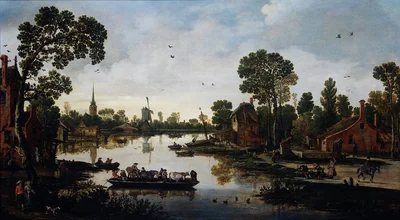
Esaias van de Velde
Esaias van de Velde, active during the late sixteenth and early seventeenth centuries, stands as a foundational figure in the development of Dutch Golden Age landscape painting and graphic arts. Recognized both as a dedicated oil painter and an innovative printmaker, he was instrumental in redirecting the focus of Dutch art away from inherited classical motifs toward the immediate, observed reality of the Dutch countryside.
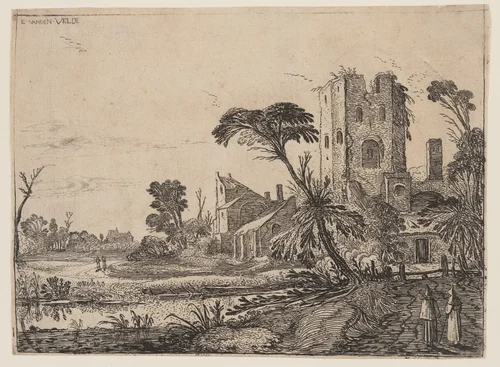
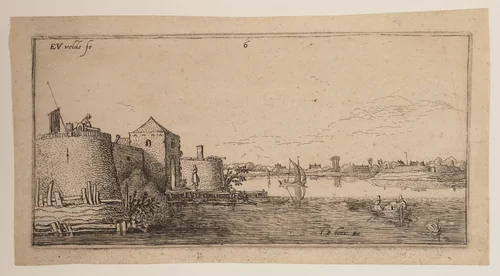
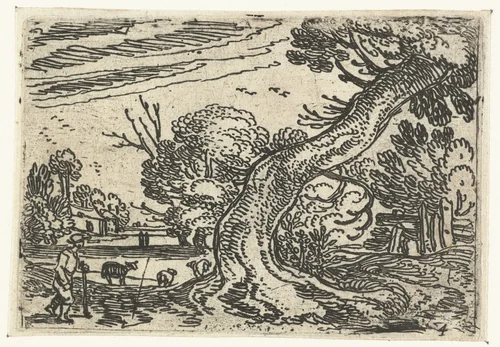
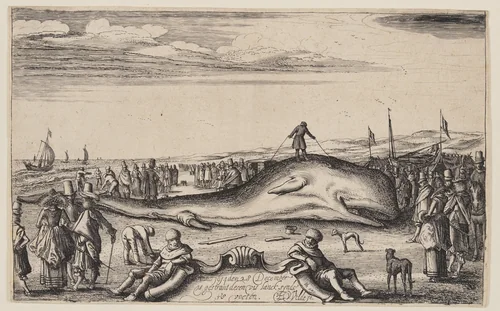
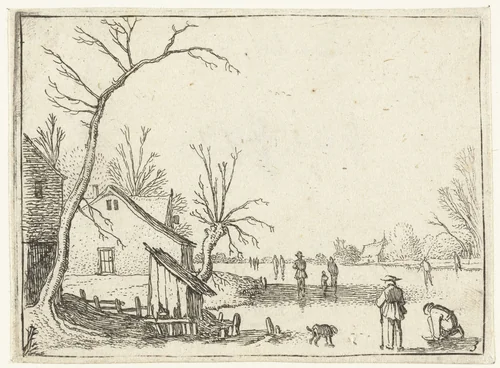
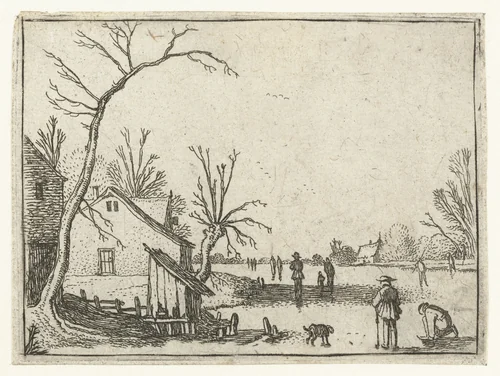
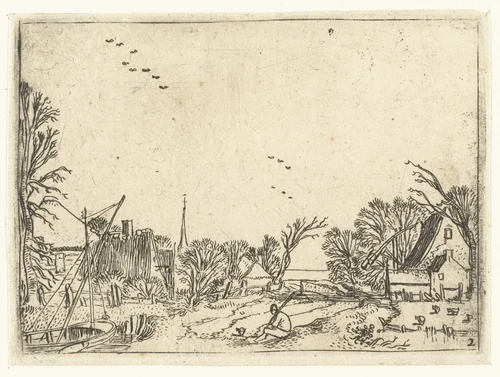
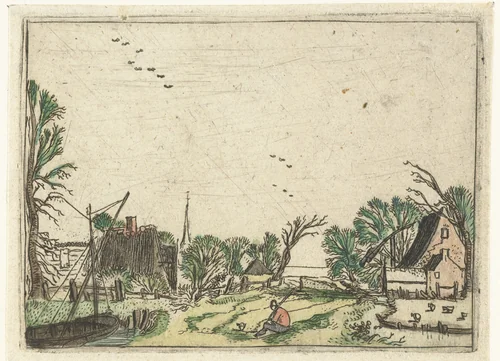
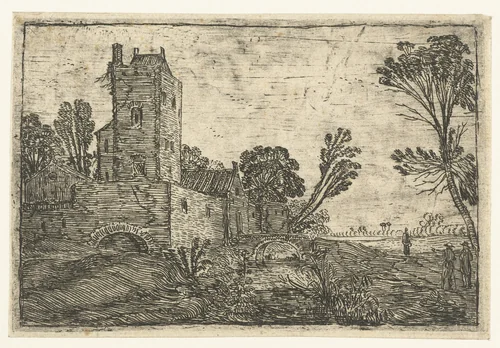
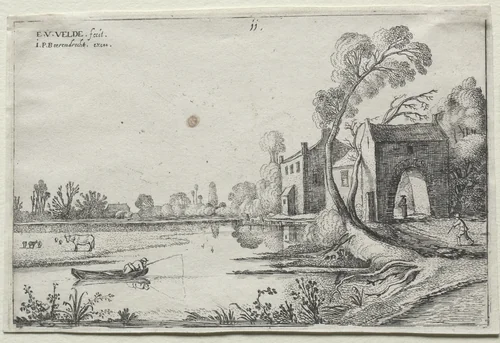
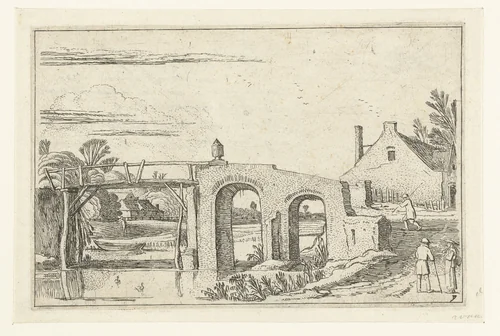
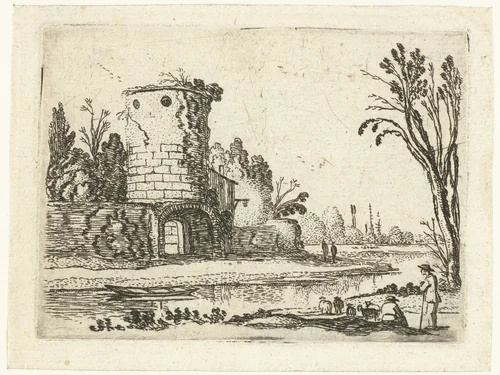
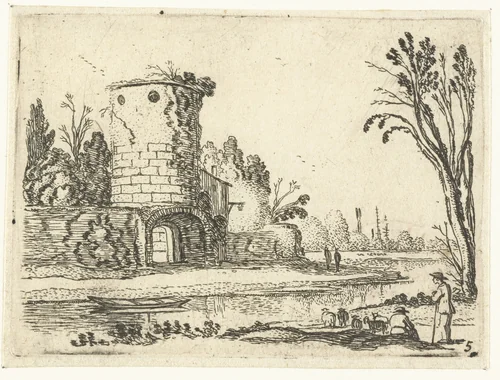
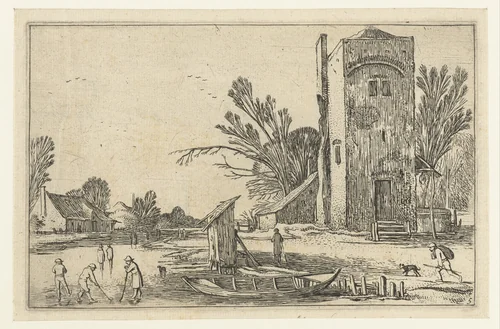
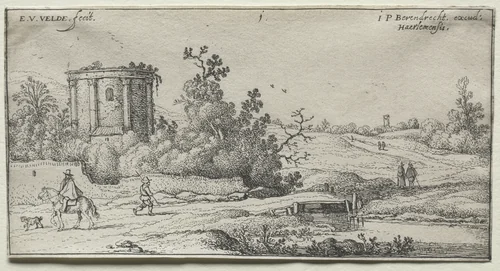
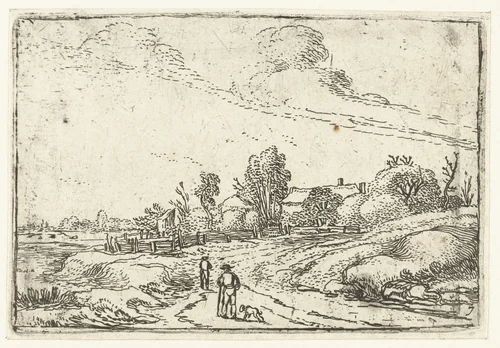
While his oil output is often mentioned in historical sources, Van de Velde’s legacy today is most readily accessed through his focused graphic oeuvre, which comprises twelve known prints and three meticulous drawings. He was among the earliest artists to explore etching as a primary medium for printmaking, favoring its fluid lines over the stiffer control required by traditional engraving. This technique granted his compositions a freshness and spontaneity perfectly suited to capturing transitory atmospheric effects and rustic life.
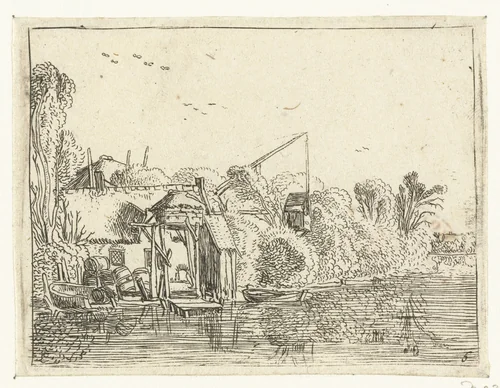
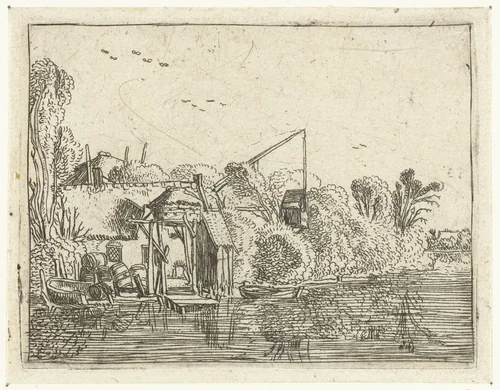
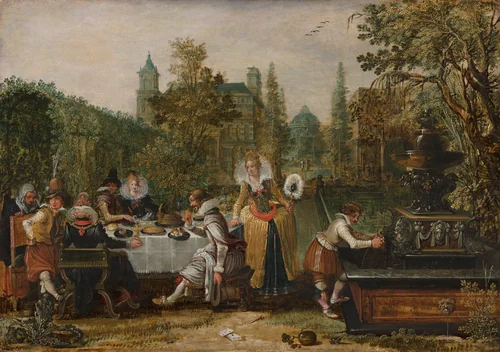
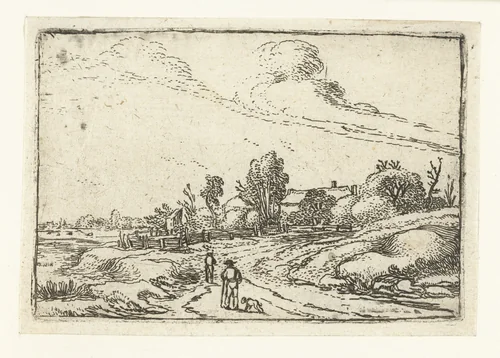
His subjects consistently revolved around the everyday: small clusters of housing, travelers navigating country lanes, and the hard-working agricultural landscape. Masterful examples include The Village Street, which uses stark perspective to draw the viewer into the scene, and Peasants Lunching in Open Air, an intimate depiction of leisure situated within a working environment. His compositions sometimes returned to successful formulas, as evidenced by multiple renderings under the title Farm to the Right of a River, a practical approach that perhaps speaks as much to his commercial acumen as his dedication to a favored local motif.
The technical proficiency of Esaias van de Velde prints, combined with his dedication to the naturalistic Dutch view, established a critical precedent for later giants of the Golden Age, including Jan van Goyen. Van de Velde’s contribution paved the way for the great flourishing of domestic landscape art. Today, his limited yet profoundly influential works are safeguarded by major institutions worldwide, providing museum-quality insight into early seventeenth-century Dutch technique. Given their age, many of these historically significant images have entered the public domain, ensuring that downloadable artwork and free art prints remain accessible for scholarly research and widespread appreciation.
Source: Wikipedia · CC BY-SA 4.0