Ernst Ludwig Kirchner
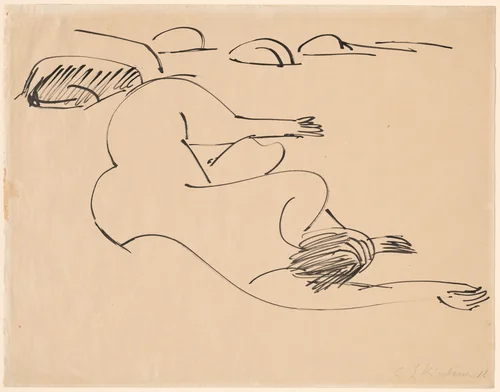
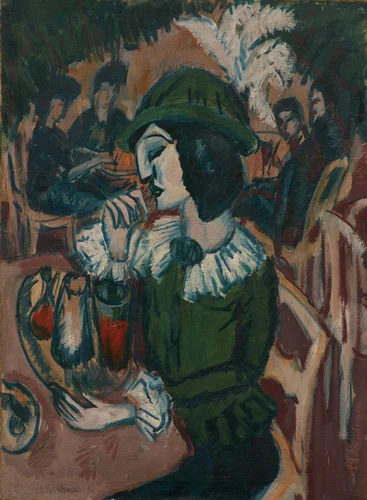
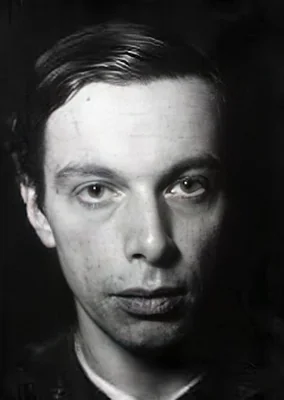
Ernst Ludwig Kirchner (1880-1938) stands as one of the foundational figures of German modernism, instrumental in establishing Expressionism as a dominant force in 20th-century art. A prolific painter and innovative printmaker, Kirchner’s dynamic visual style was characterized by fractured compositions, acidic color palettes, and a potent psychological intensity.
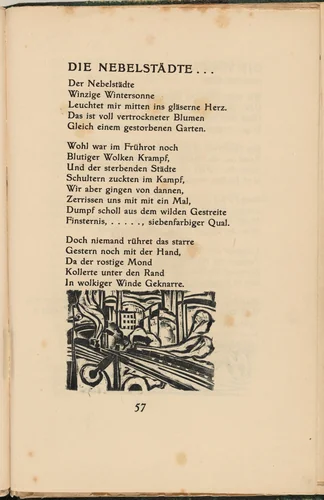
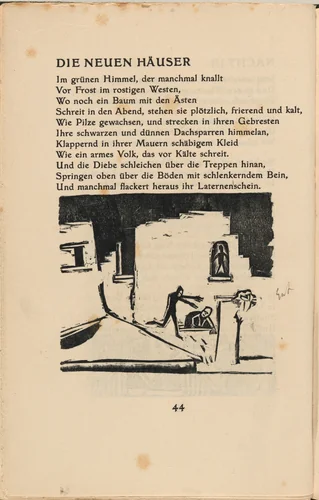
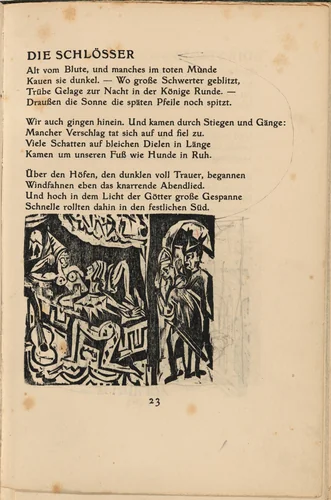
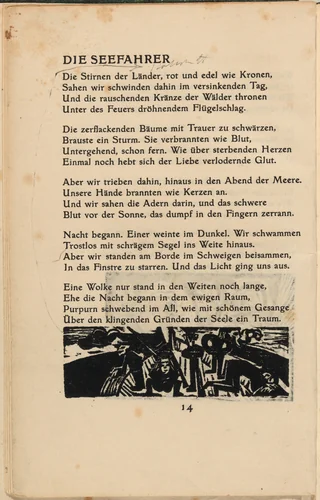
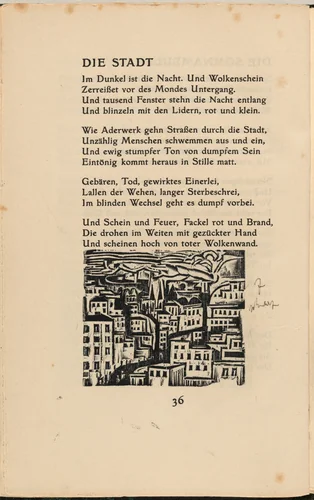
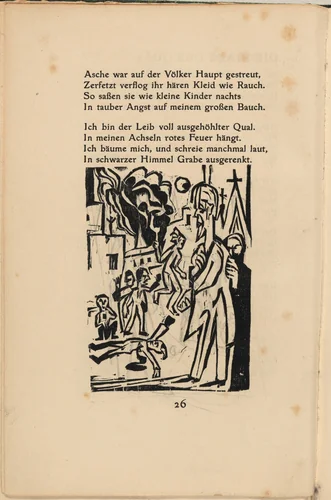
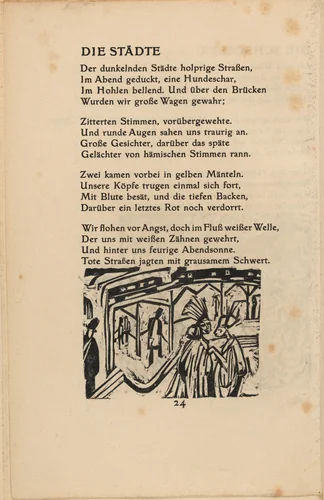
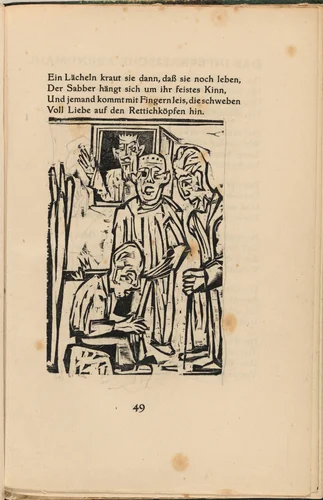
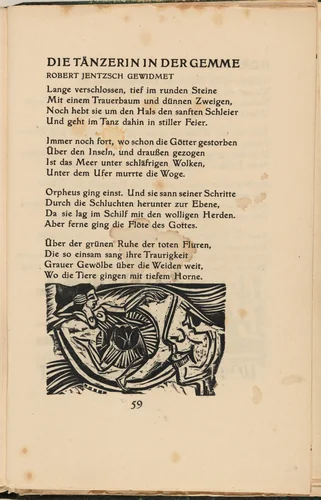
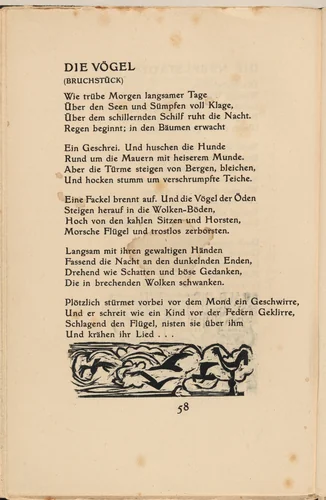
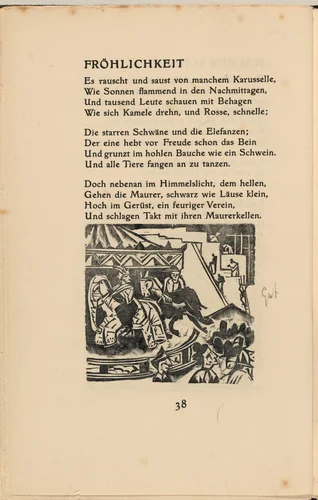
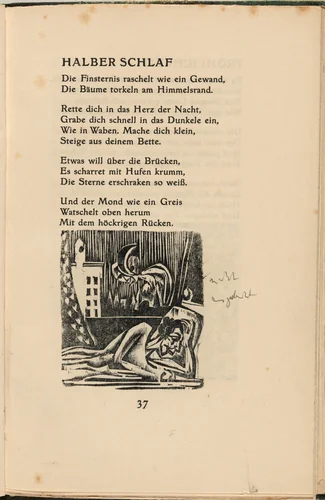
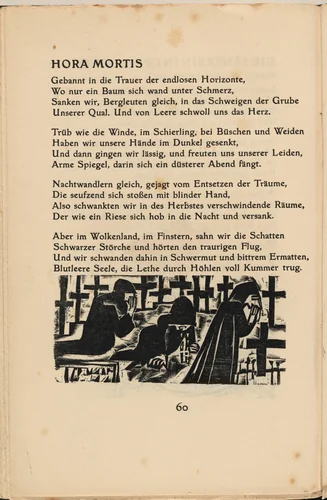
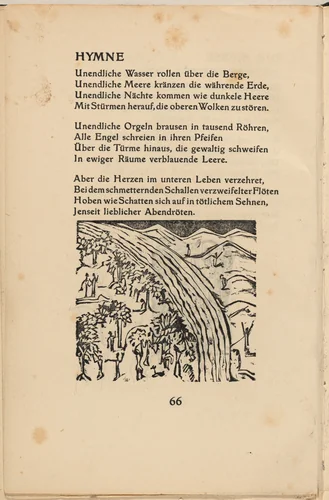
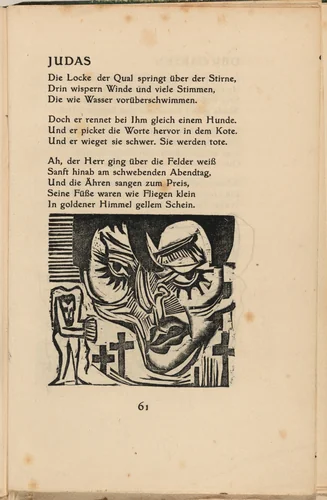
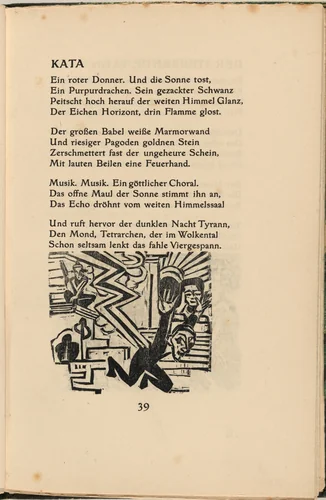
In 1905, he co-founded the influential Dresden-based artists’ group, Die Brücke (The Bridge), whose manifesto sought to liberate artistic expression from academic constraints, directly challenging the conservative art establishment. His works from this period, particularly his raw, immediate woodcuts and lithographs, remain hallmarks of the movement. His technique of cutting directly into the woodblock or etching plate produced jagged, angular lines that lent his subjects a palpable nervous energy, defining the early Expressionist aesthetic.
Kirchner excelled at capturing the frantic energy and underlying tensions of urban life, though his graphic output also included powerful, often unsettling portraits that explored inner states. Works such as the lithograph Dr. Ludwig Binswanger (Kopf Dr. Ludwig Binswanger) and the complex interior scene A Woman Combing Her Hair in Front of a Mirror demonstrate his mastery across diverse print media. One subtle but fascinating aspect of his artistic methodology was his tendency to re-date and occasionally rework earlier pieces long after their initial creation, complicating the precise chronology of his prolific output.
The outbreak of World War I marked a critical turning point. Although Kirchner initially volunteered for military service, he soon suffered a severe mental breakdown and was subsequently discharged, an experience that dramatically altered his style toward darker, more introspective themes. The final tragedy of his career arrived with the rise of National Socialism. In 1933, his output was designated "degenerate" (Entartete Kunst), leading to the mandated sale or destruction of over 600 of his works by 1937.
Today, the striking power of Ernst Ludwig Kirchner prints and paintings ensures that his vision continues to shape our understanding of modern anxiety and artistic courage. Given the historical significance of his work, many seminal pieces are now available in the public domain, allowing institutions and enthusiasts access to high-quality prints and downloadable artwork for study and appreciation.
Source: Wikipedia · CC BY-SA 4.0