Ernst Fries
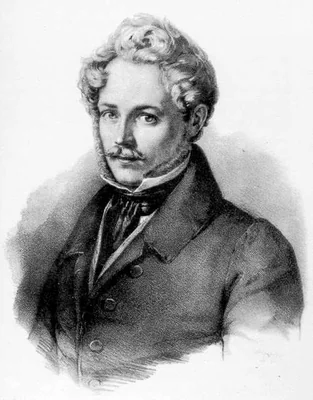
Ernst Fries (1799-1833) occupies a pivotal position in early 19th-century German art, recognized primarily as a painter, draftsman, watercolorist, and prolific printmaker. Active during a crucial period of aesthetic evolution between 1815 and 1829, Fries, alongside Karl Philipp Fohr and Carl Rottmann, constituted what is often termed the "triumvirate of Heidelberg Romanticism." Though his life was brief, his concentrated output captures the intellectual and visual currents of the era, cementing his reputation as a key transitional figure in German landscape painting.
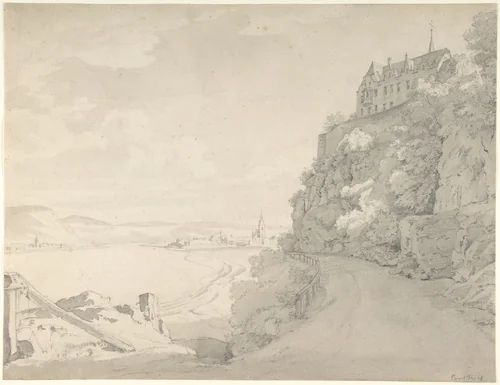
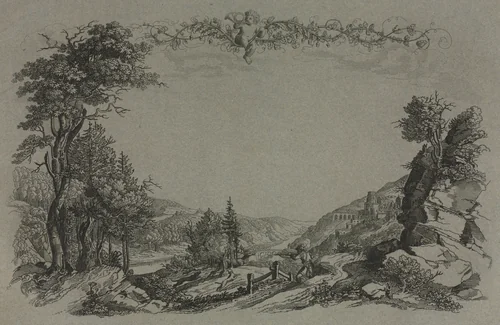
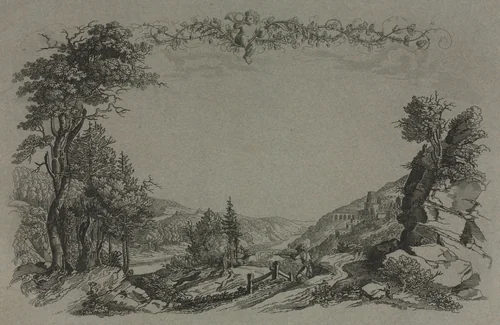
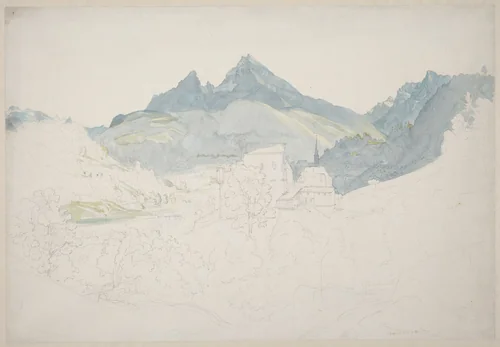
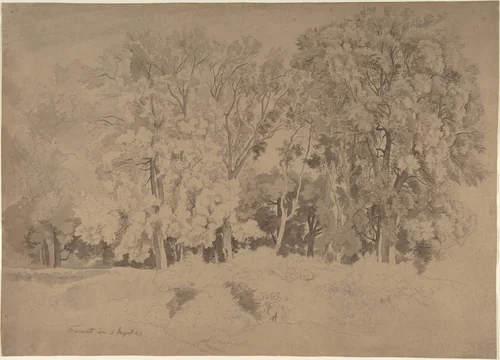
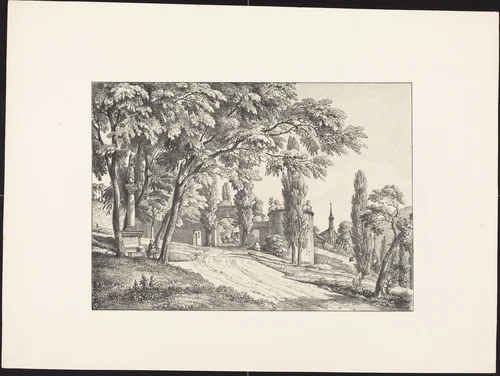
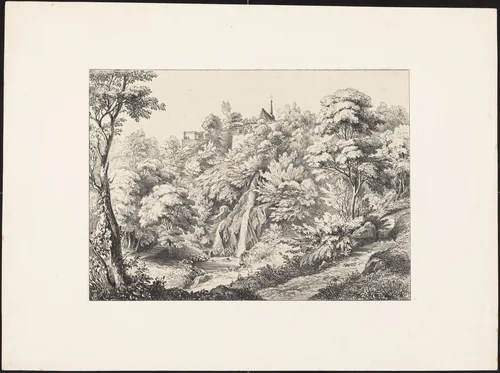
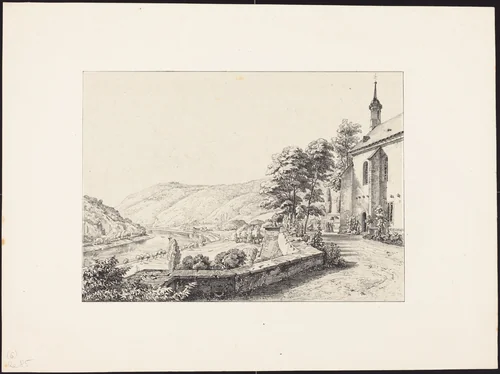
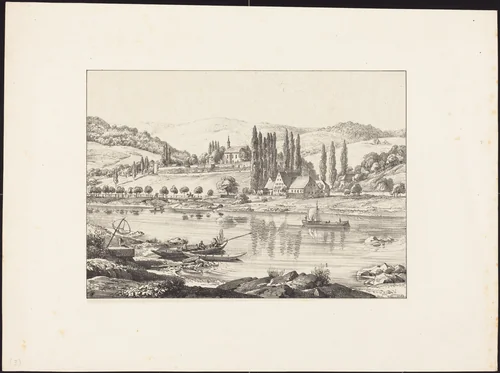
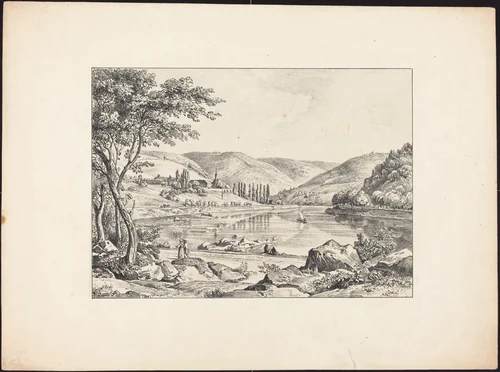
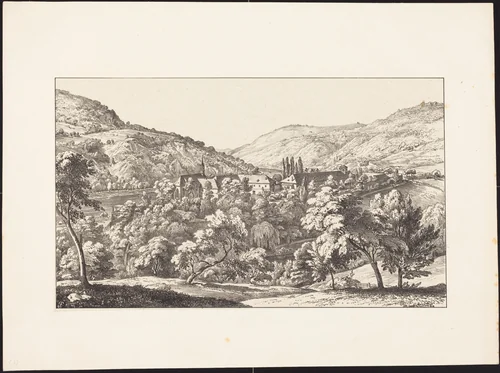
Fries’s artistic trajectory signals a significant shift in German visual culture. While his early work is rooted in the emotional depth and nationalistic spirit of Romanticism, his mature style increasingly embraced the precise, objective observation characteristic of nascent Realism. His technical mastery extended across various graphic media, including etching and lithography, allowing him to achieve high-quality prints that circulated widely. Unlike many of his contemporaries who favored deeply allegorical or mythological scenes, Fries devoted rigorous attention to topography and architecture, viewing the natural and built environment with an increasingly empirical eye. This disciplined approach allowed him to render local views, such as those along the Rhine and around Heidelberg, with a clarity that presaged later 19th-century observational practices.
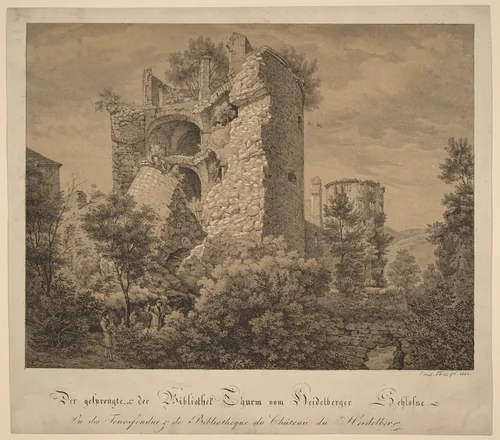
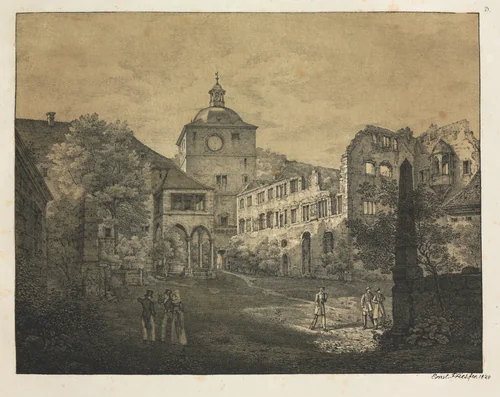
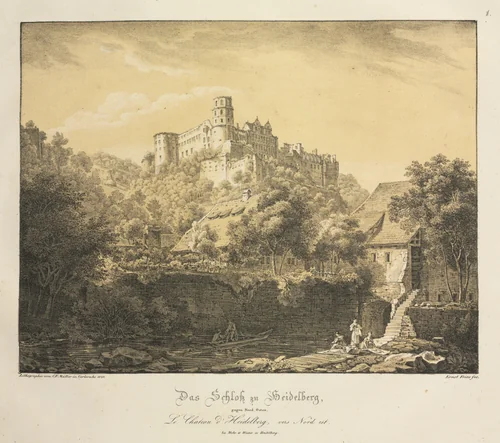
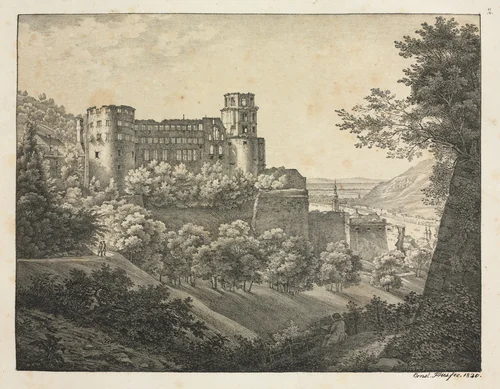
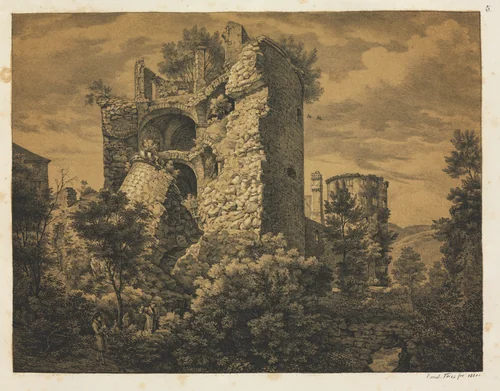
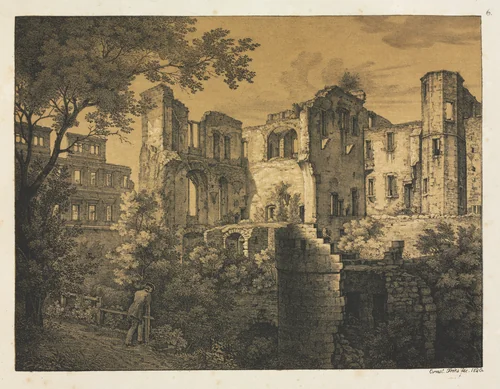
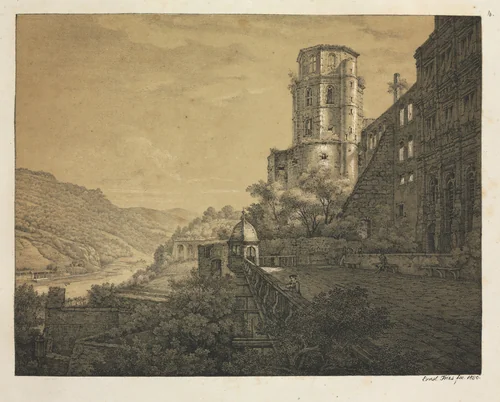
His dedication to precise locality is perhaps best exemplified by his detailed series focusing on regional monuments. Works such as Der Gesprengte und der Bibliotheke Thurm von Heidelberger Schloß (The Exploded Tower and the Library of Heidelberg Castle) and the extensive Six Views of Heidelberg Castle showcase his ability to blend architectural fidelity with dramatic atmospheric effects. It is interesting to note the sheer dedication Fries applied to this single, complex subject; he was an artist who found endless inspiration in the broken stones and picturesque ruins of his local fortress. Because of the lasting quality of his work, much of his most important catalog has entered the public domain, allowing institutions worldwide to offer downloadable artwork and museum-quality reproductions for study.
Despite an active period spanning barely fifteen years, Fries’s prints and drawings remain consistently sought after by collectors and scholars. Major acquisitions by the Metropolitan Museum of Art, the National Gallery of Art, and the Cleveland Museum of Art testify to the enduring historical and artistic value of his oeuvre. His legacy rests on successfully bridging the emotive idealism of the Romantics with the empirical exactitude required by modern Realism.
Source: Wikipedia · CC BY-SA 4.0