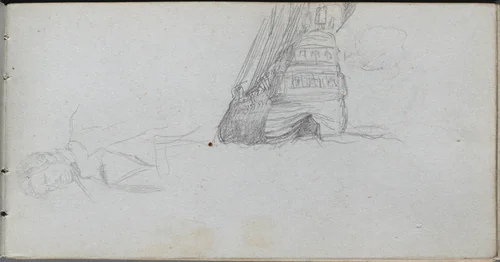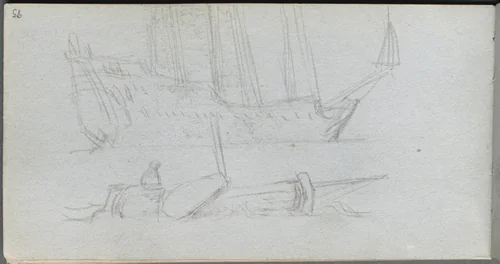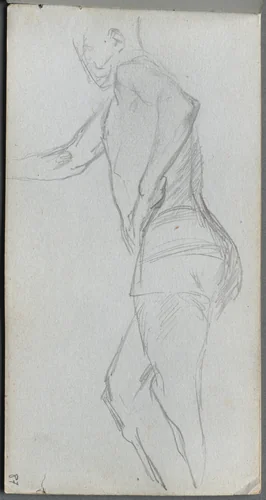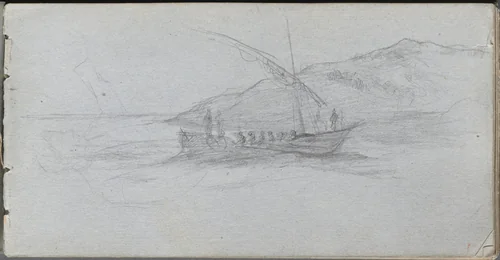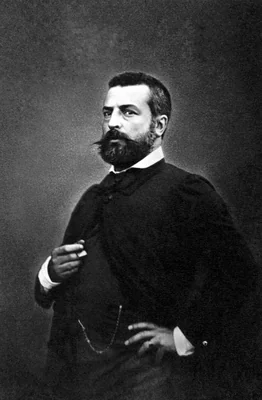
Ernest Meissonier
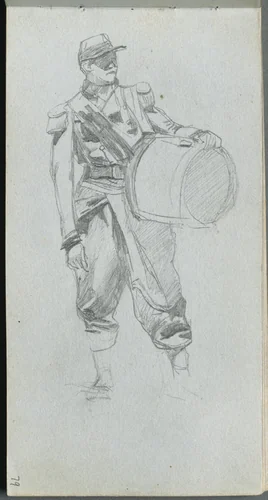
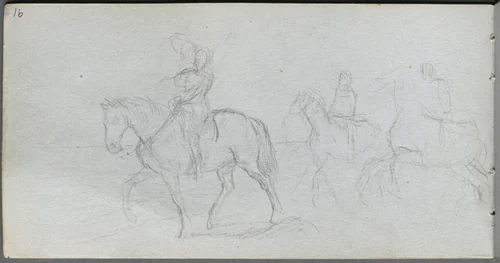
Jean-Louis-Ernest Meissonier (1815-1891) stands as a paramount figure in French academic painting and sculpture of the nineteenth century. Active during the transition from the Restoration to the height of the Second Empire, Meissonier cultivated a unique specialization: the highly detailed, emotionally restrained depiction of historical military life. His focus was primarily concentrated on the Napoleonic Wars, treating the maneuvers and specific military settings of the era with an almost anthropological precision. Unlike the sweeping scale of grand Romantic historical narratives, Meissonier’s work captures the detailed, human moments within conflict, exemplified by masterpieces such as the cavalry charge in 1807, Friedland.
Meissonier's critical reputation rested entirely on his extraordinary, painstaking craftsmanship. He employed a meticulous finish that left contemporaries marveling at his manual dexterity and command of scale. His method required an intense commitment to visual truth; the fastidious English critic John Ruskin famously examined Meissonier’s canvases at length under a magnifying glass, registering genuine surprise at the artist's eye for fascinating minutiae. This dedication to fine detail established him as a commercial titan. Alongside artists like Jean-Léon Gérôme and Alexandre Cabanel, Meissonier was recognized as one of the three most successful and sought-after French artists of the Second Empire.
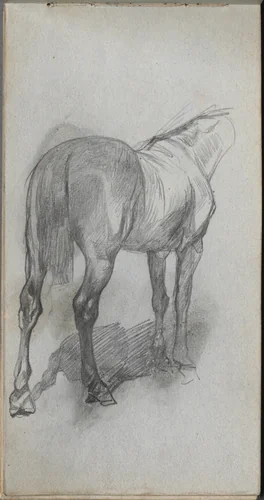
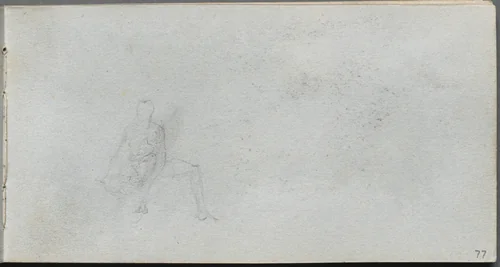
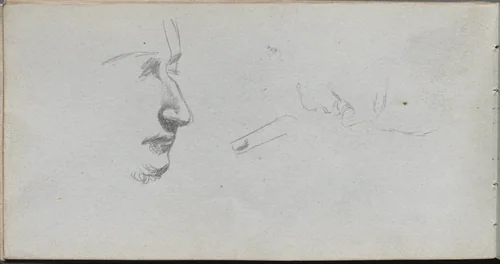
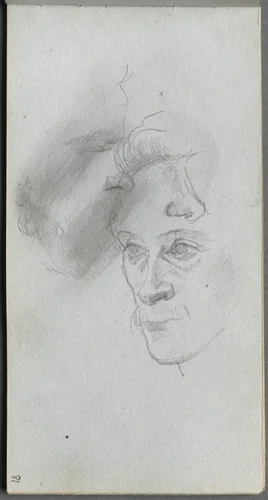
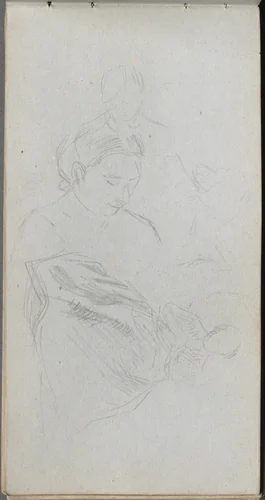
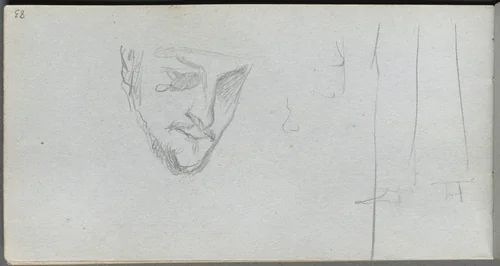
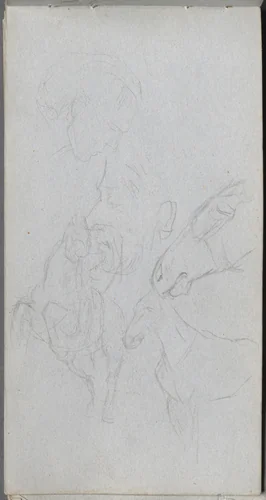
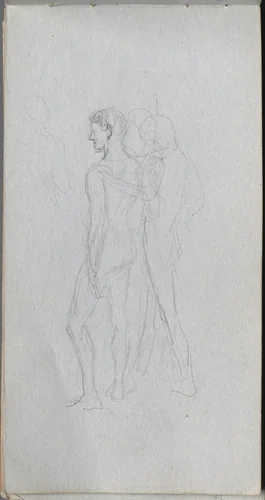
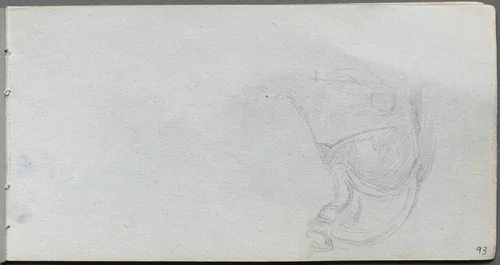
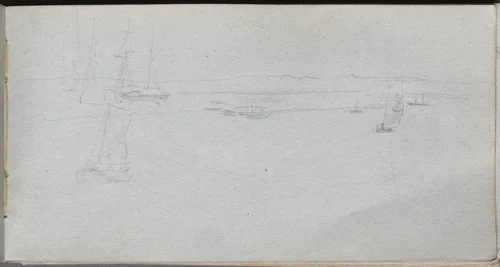
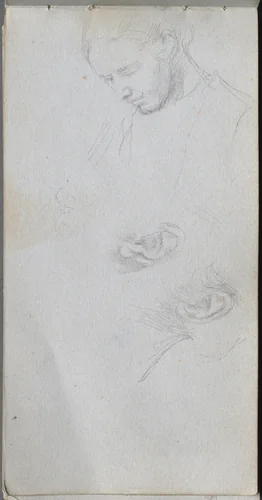
Curiously, despite the monumental scale of his public acclaim, the level of realism he achieved was often so precise that viewers initially mistook his small, preparatory drawings, like Portrait of a Silversmith, Seated, for highly finished paintings. Although celebrated chiefly for his historical canvases, the corpus of Ernest Meissonier paintings also includes significant genre scenes and portraiture, such as Man Smoking and the chillingly observed Dead Man.
Today, his works are held in major international institutions, confirming their museum-quality status; the Cleveland Museum of Art and the Metropolitan Museum of Art count key examples among their permanent holdings. For researchers and enthusiasts, many of Meissonier's iconic compositions are now in the public domain, allowing access to downloadable artwork and high-quality prints that retain the fidelity of the original composition.
Source: Wikipedia · CC BY-SA 4.0