Ernest J. Bellocq
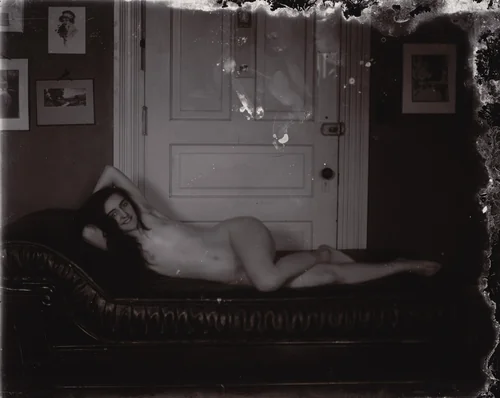
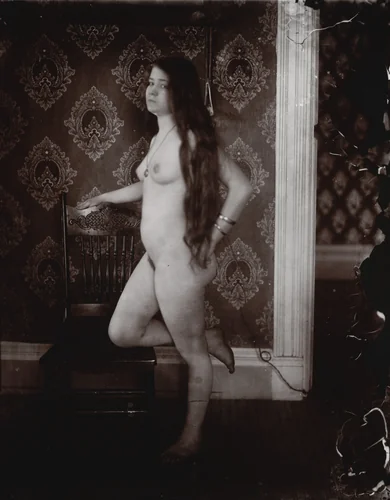
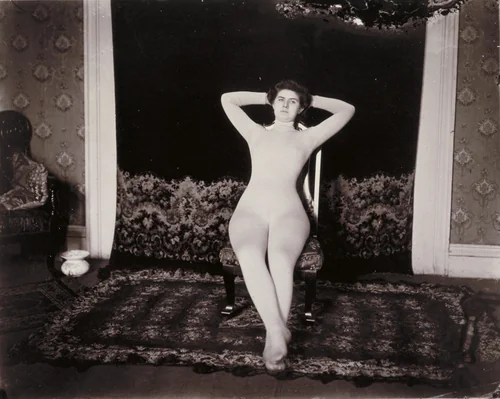
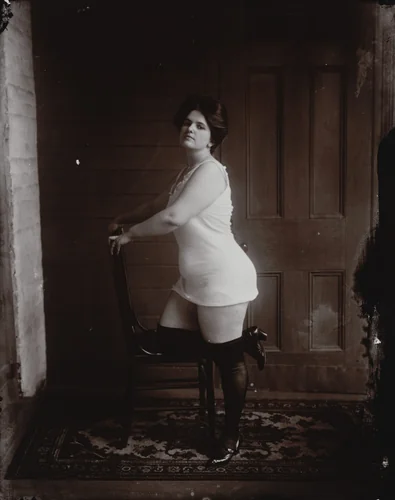
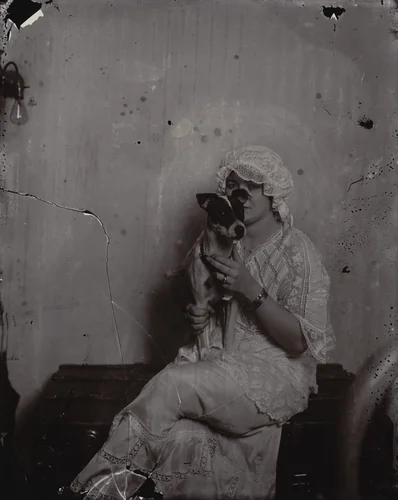
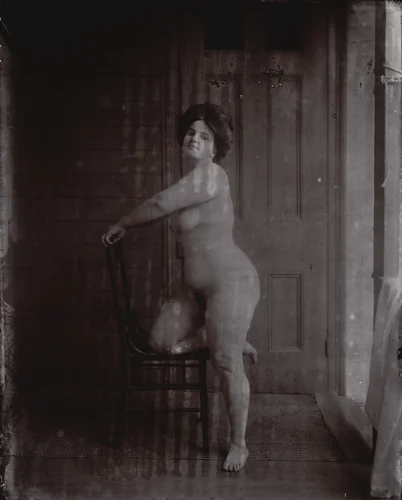
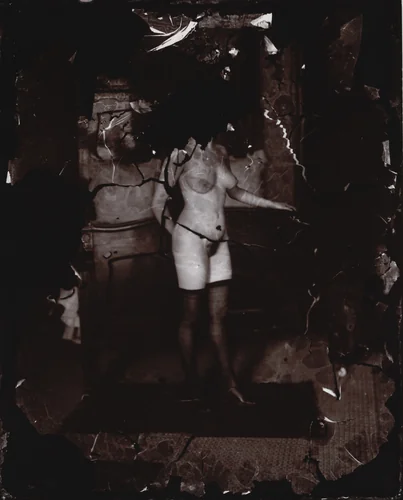
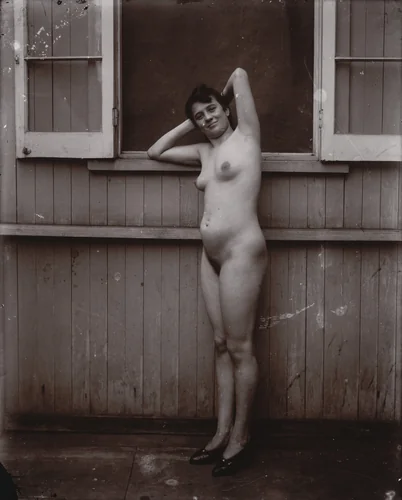
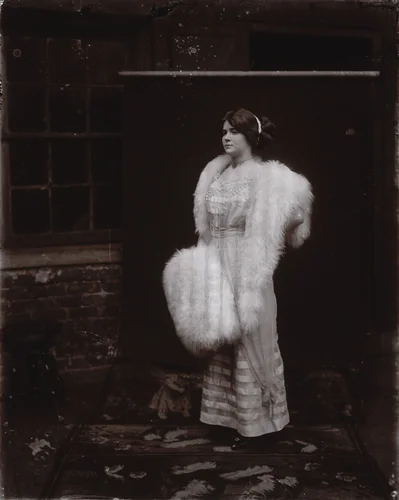
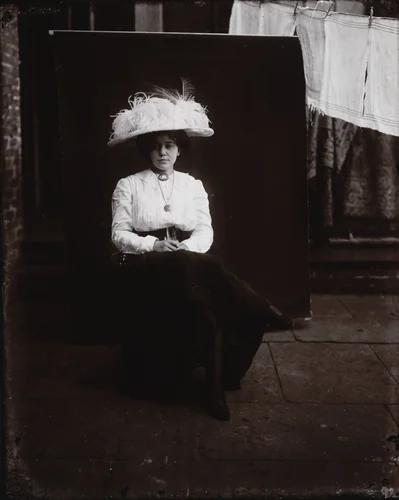
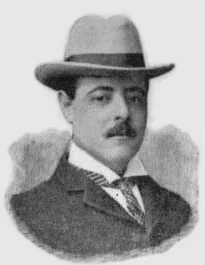
Ernest Joseph Bellocq (1873-1949) was an American professional photographer whose brief yet profound artistic output remains intrinsically linked to the history of New Orleans. Though much of his career was spent on routine commercial assignments, Bellocq’s enduring international significance rests almost entirely upon an intimate and complex series of portraits captured around 1912 in Storyville, the city's infamous legalized red-light district.
Bellocq's methodology utilized large-format photography, typically employing a 6.5 x 8.5-inch glass plate camera. This technique imbued his resulting works with a crisp, detailed quality that elevates them beyond mere ephemeral documentation. What sets the Storyville series apart from contemporary journalistic or moralizing photographs is the palpable rapport between the artist and his subjects. The women of the district, often depicted in their rooms or intimate settings, frequently meet the camera’s gaze directly, presenting themselves with dignity, defiance, or vulnerability. This unsettling intimacy pushes the images toward the realm of psychological portraiture rather than simple societal record.
The survival of these unique images is a fortunate historical accident; they gained widespread critical recognition only decades after Bellocq's death and the closure of Storyville. The body of work, consisting of approximately fifteen core images, has since secured a place in major institutional collections, including the Museum of Modern Art (MoMA). This conservation effort ensures that these works are maintained as museum-quality historical artifacts.
The ambiguity inherent in the collection—the lack of explicit context or motivation—has profoundly impacted literature, poetry, and film, ensuring the images remain subjects of continuous analysis. While his professional identity involved typical local photography, his artistic legacy hinges solely on this private, clandestine project, a subtle dichotomy that adds a quiet layer of intrigue to his biography. Given the historical age of the original plates, some derivative images, often available as high-quality prints, have entered the public domain, ensuring that this compelling body of downloadable artwork continues to influence subsequent generations of viewers and artists.
Source: Wikipedia · CC BY-SA 4.0