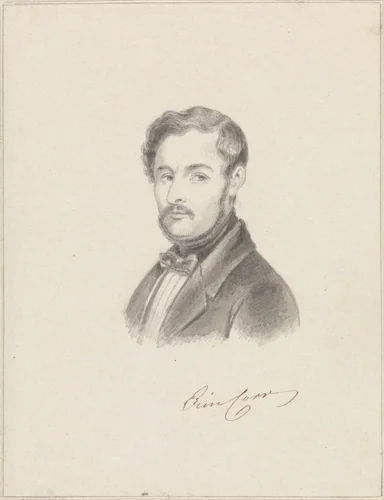
Erin Corr
Erin Corr (1815-1841) was a distinguished Irish engraver, born in Brussels, whose relatively short but prolific career defined a critical period of reproductive printmaking in the Low Countries. His output, concentrated across twelve extant prints and one known drawing, focuses on the challenging task of translating masterworks into the exacting medium of copperplate.
Corr’s reputation rests, in large part, on the extraordinary commitment required for his technical magnum opus: the plate engraving of Peter Paul Rubens’s monumental Baroque canvas, The Descent from the Cross. This massive undertaking demanded a full decade of labor, successfully transforming the painterly movement and depth of Rubens’s complex composition into the precise, linear language of the burin. This sustained dedication positions Corr among the elite reproductive engravers of his generation, individuals responsible for disseminating critical artistic knowledge across Europe prior to widespread mechanical reproduction.
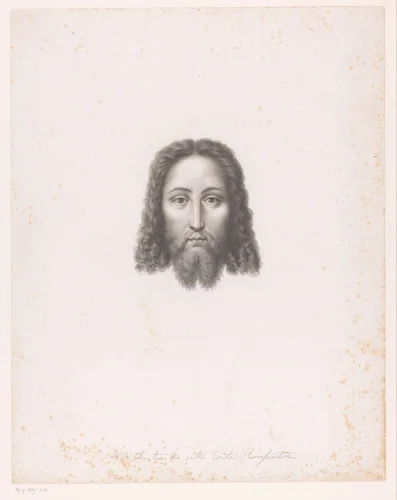
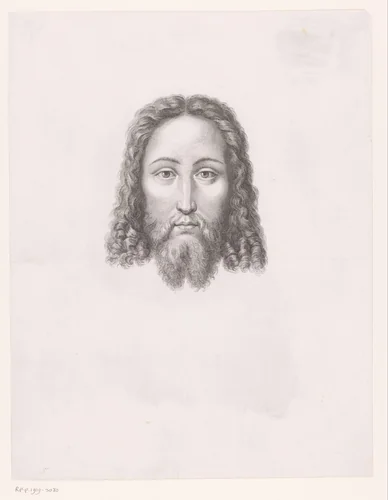
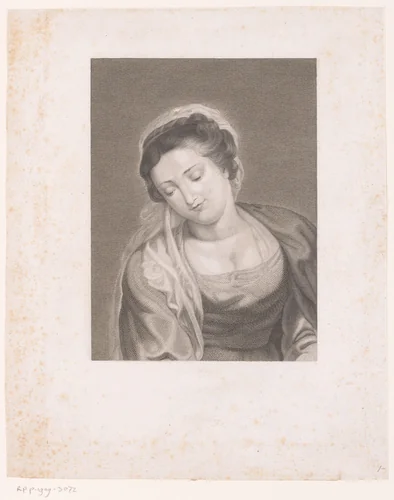
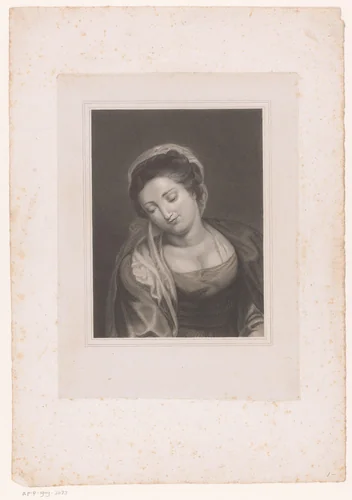
While celebrated for translating canonical works, such as his studies of the Virgin and Christ (Maagd Maria and Christuskop), Corr also engaged with the contemporary surge in scientific documentation. He contributed high-quality prints to Charles Morren’s comprehensive horticultural review, La Belgique Horticole, illustrating the era’s fascination with botanical exactitude. This dual commitment to the spiritual drama of the Old Masters and the precise rendering of natural forms highlights the engraver’s impressive technical versatility. His peers recognized this skill; in 1833, he was elected an Honorary Academician by the National Academy of Design, underscoring his transnational influence.
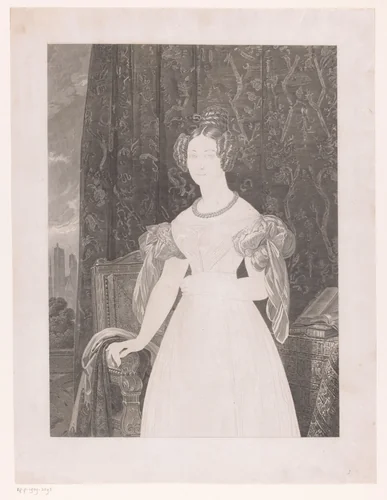
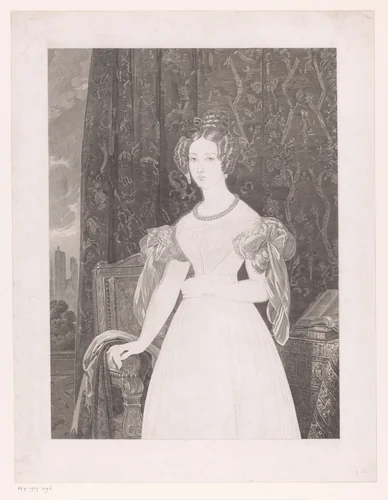
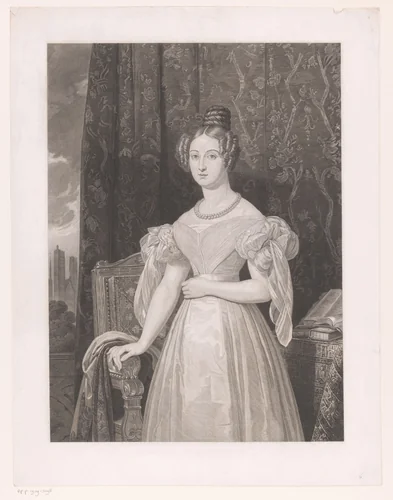
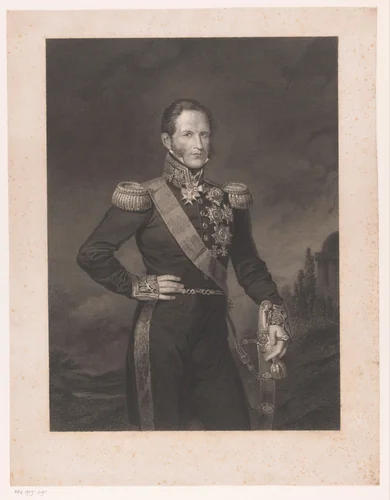
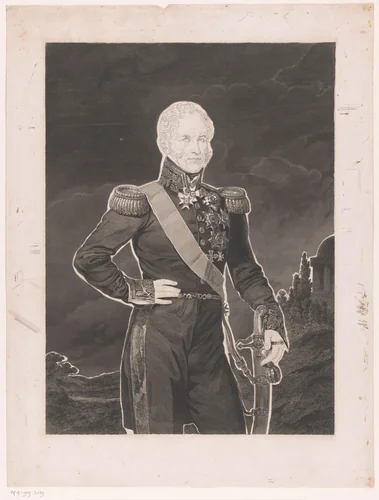
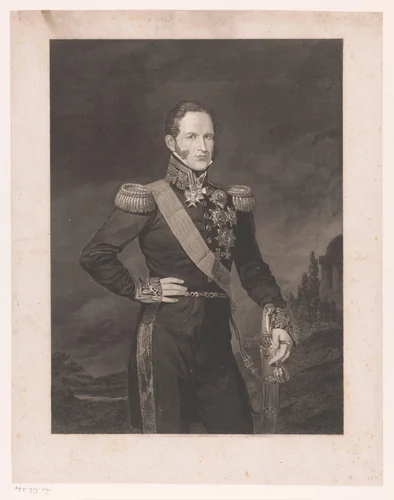
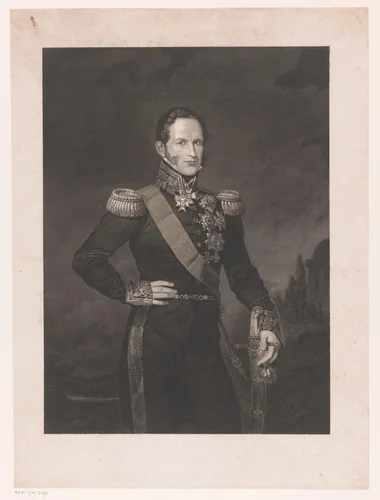
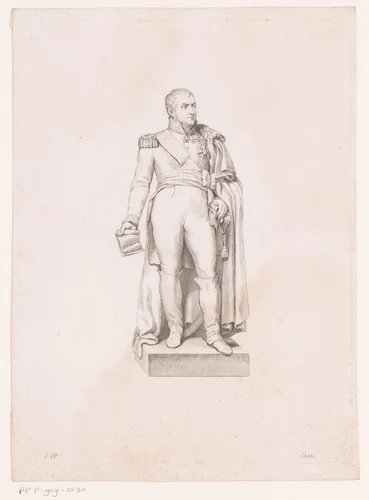
The highly detailed nature of Corr’s work ensured its preservation in institutional archives. Reproduction engraving was a functional art form, and it is through these meticulously executed plates, such as the portrait of Louise Marie van Orléans, that his work entered major collections. Today, his limited yet significant output is preserved in institutions like the Rijksmuseum. Because these museum-quality prints were created before modern copyright laws, many of these works are now in the public domain, making this important body of downloadable artwork widely accessible for study. Corr’s legacy is one of technical mastery, proving that patience truly is the virtue of the engraver.
Source: Wikipedia · CC BY-SA 4.0