Erich Mendelsohn
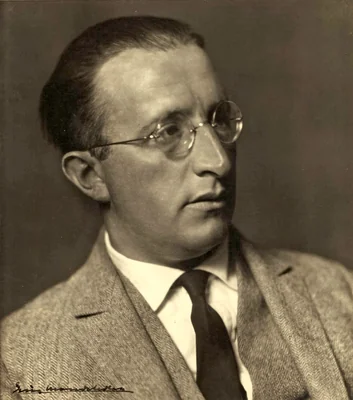
Erich Mendelsohn (1887-1953) occupies a pivotal position in the transition from dramatic European idealism to rigorous international modernism. A German-British architect, he is celebrated for translating the emotive energy of German Expressionism into tangible forms, while simultaneously shaping the vocabulary of the new commercial age. Mendelsohn’s early work, characterized by its fluidity and kinetic quality, captured the era’s fascination with speed, movement, and technology, setting him apart from the more dogmatic traditionalists and functionalists of the time.
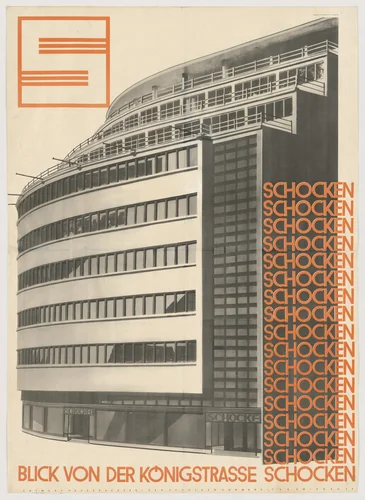
His influence was broad and immediate. While he is most often cited for the powerful Expressionist architecture of the 1920s, Mendelsohn was also a primary pioneer of subsequent styles. He played an instrumental role in the emergence of Art Deco and the sleek, aerodynamic forms of Streamline Moderne, evidenced emphatically by his groundbreaking 1921 design for the Mossehaus in Berlin. This ability to reconcile architectural theory with commercial requirements resulted in a dynamic functionalism, transforming department stores and cinemas into visually exciting urban markers. Mendelsohn possessed the rare quality among his peers of being equally adept at designing monumental scientific structures and commercially astute high-street retail, demonstrating a belief that even the most pragmatic building should retain a theatrical presence.
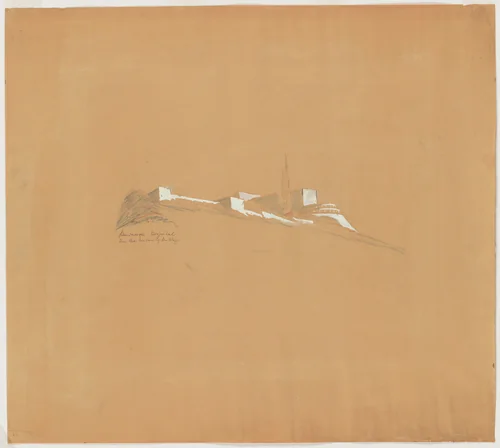
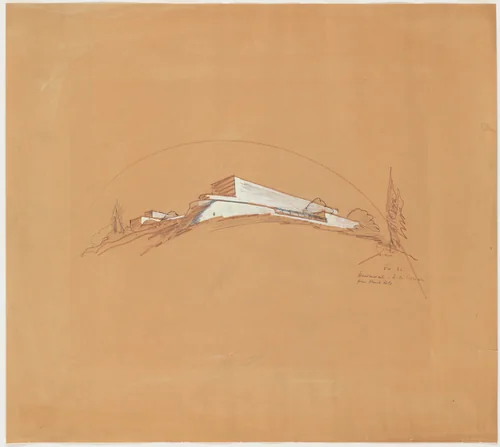
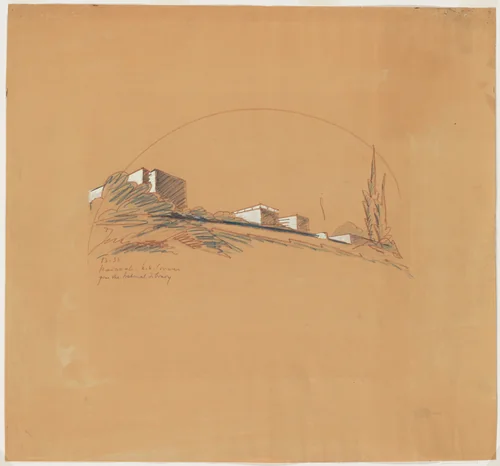
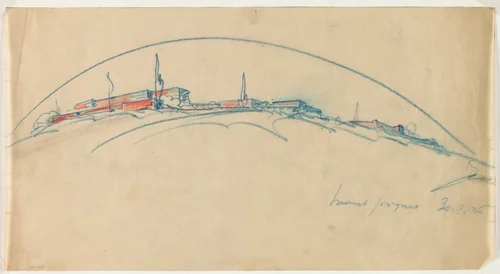
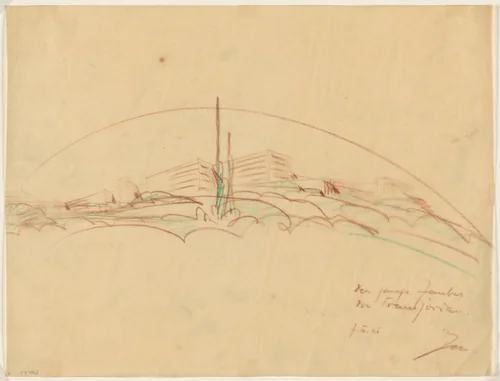
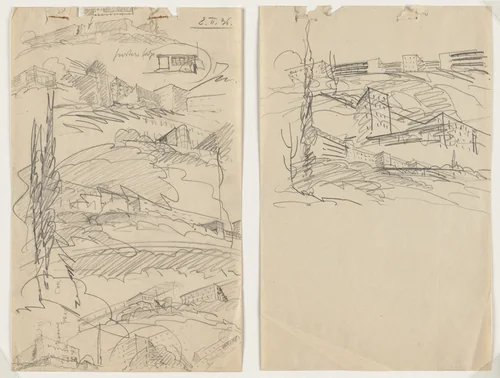
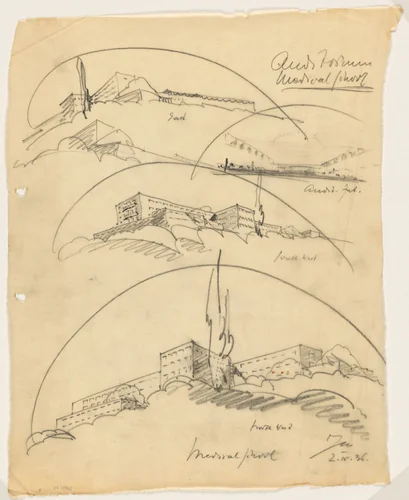
Mendelsohn’s prolific output continued through the 1930s, particularly following his relocation. Key late projects demonstrate a sophisticated application of his functionalist principles adapted to new climates and contexts. Notable works constructed during his active period of 1930-1936 include the Hadassah University Hospital, Mount Scopus, Jerusalem, and the Library and Office Building of Salman Schocken, Jerusalem. These structures showcase his mastery of site-specific design while retaining his signature clarity.
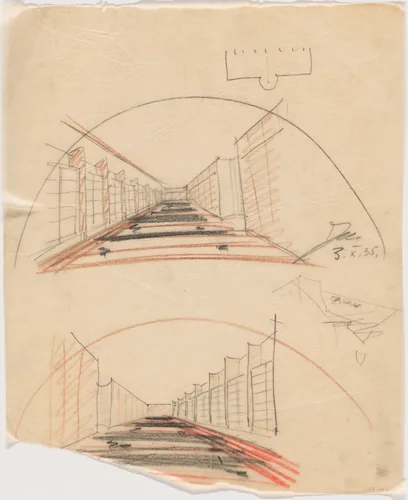
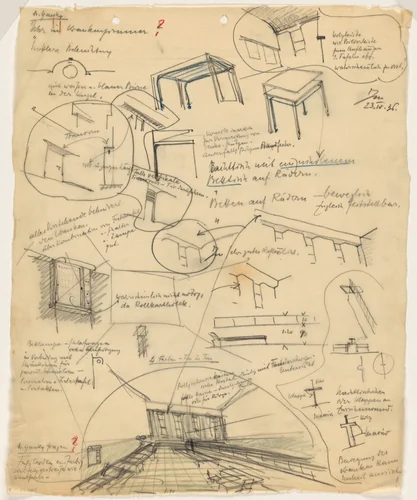
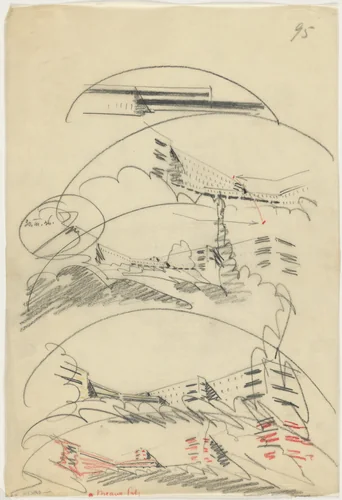
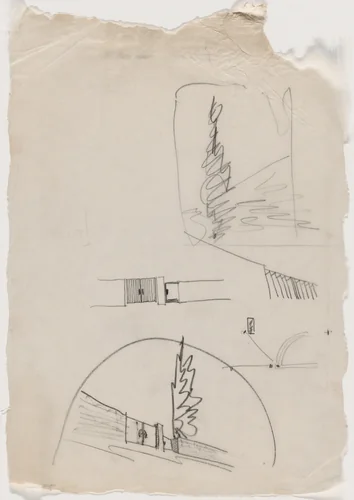
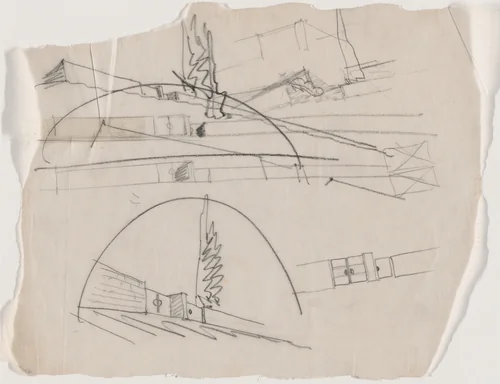
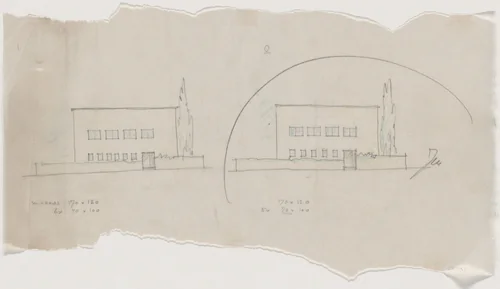
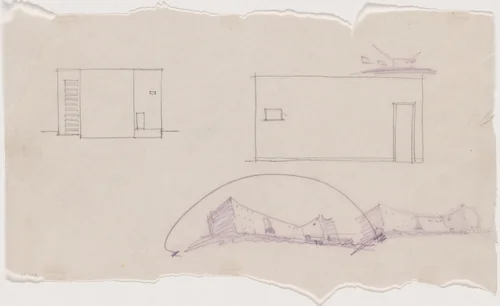
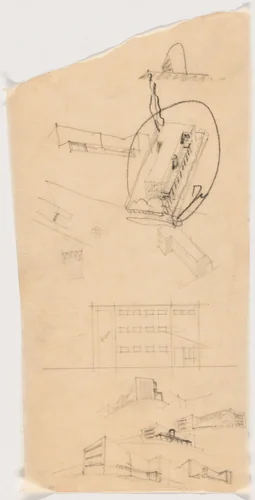
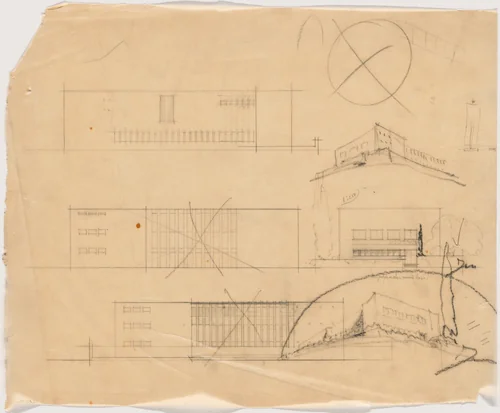
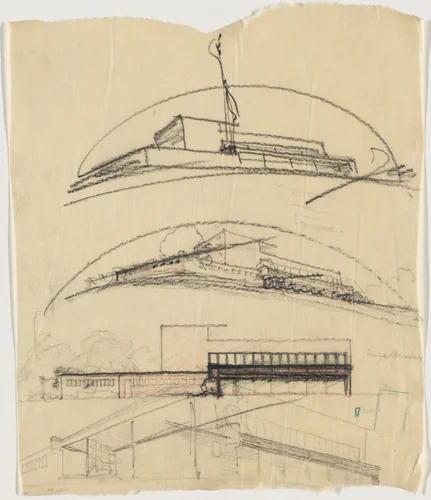
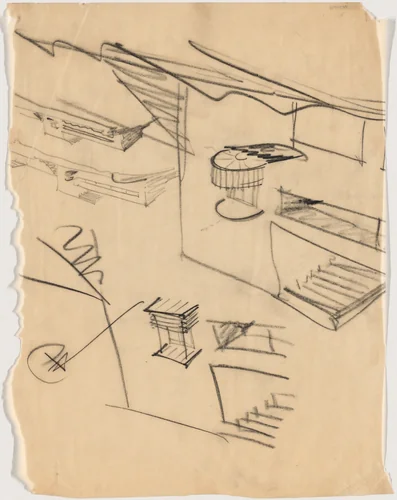
The works of Erich Mendelsohn are preserved in major institutions globally, including the robust collection held by the Museum of Modern Art. His architectural drawings and design studies remain a crucial resource for understanding the transatlantic spread of modern ideas. Today, many of his seminal documents are in the public domain, providing royalty-free access, and allowing researchers and enthusiasts to examine high-quality prints of his designs for a deeper appreciation of his historical impact.
Source: Wikipedia · CC BY-SA 4.0