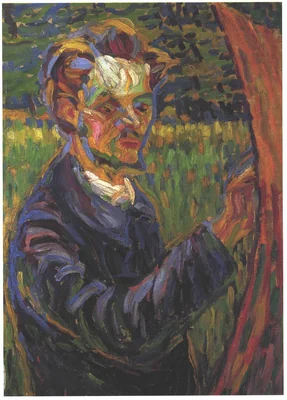
Erich Heckel
Erich Heckel (1883-1970) holds a fundamental position in the history of German modernism, chiefly known as a co-founder of Die Brücke (The Bridge). Established in Dresden in 1905, this revolutionary collective defined the parameters of early Expressionism, advocating for an emotional immediacy and a stylistic break from academic conventions. Heckel, alongside his peers, helped forge a visual language that prized simplification, angular urgency, and direct psychological engagement with the subject.
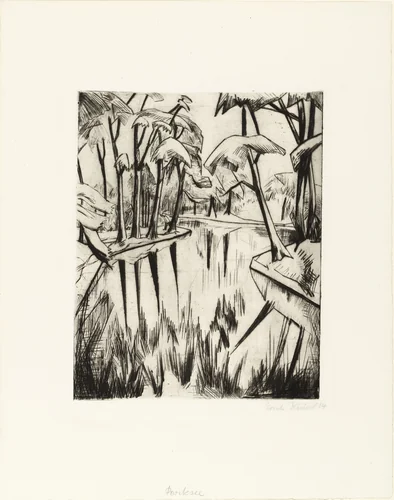
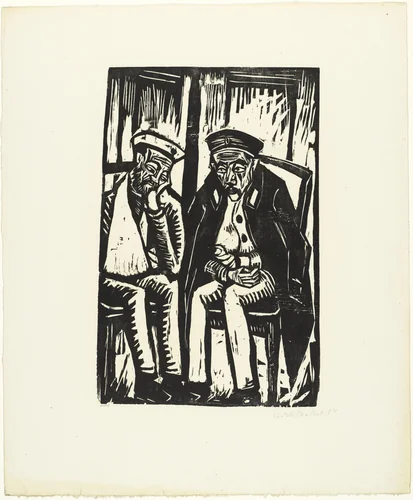
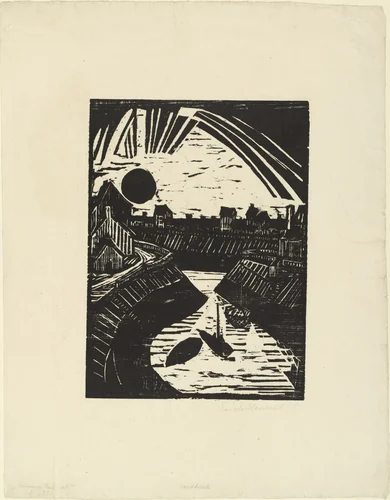
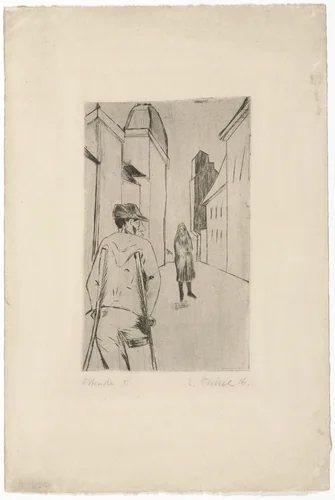
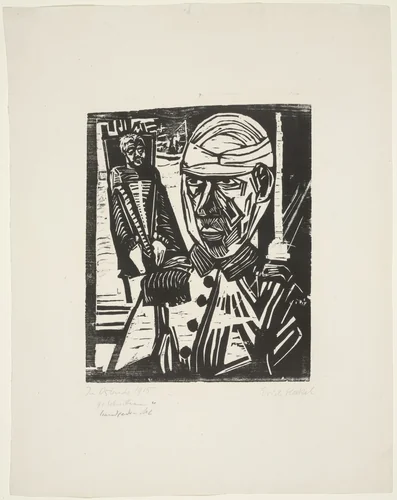
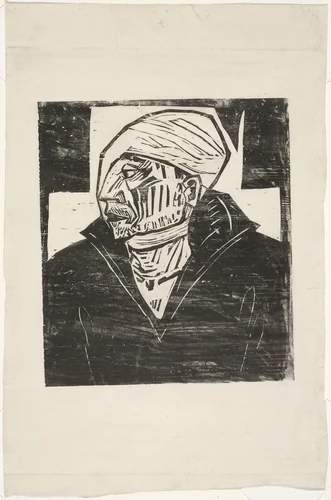
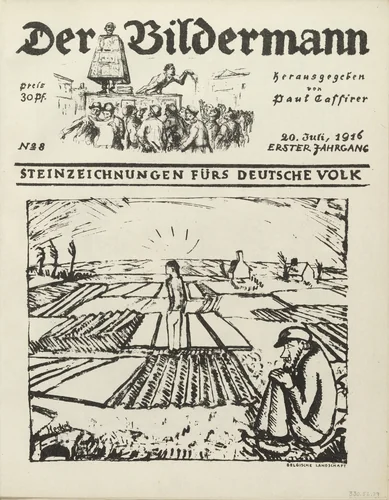
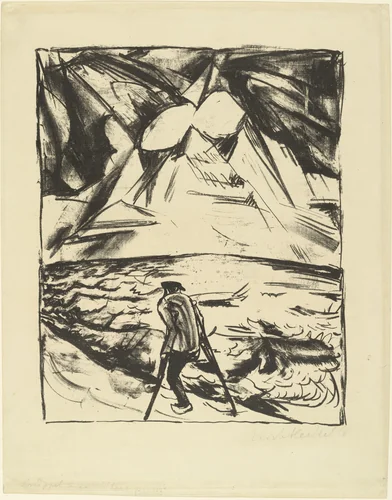
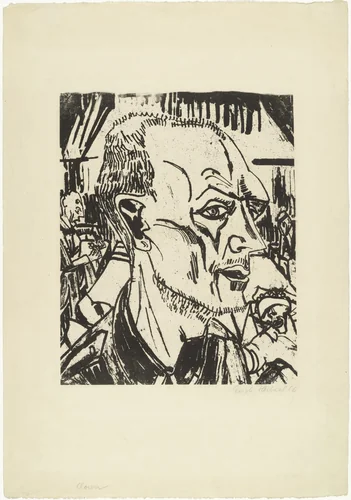
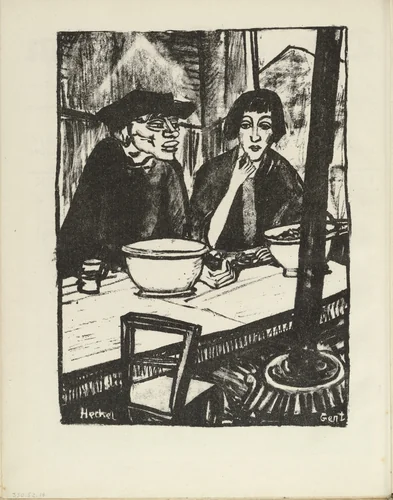
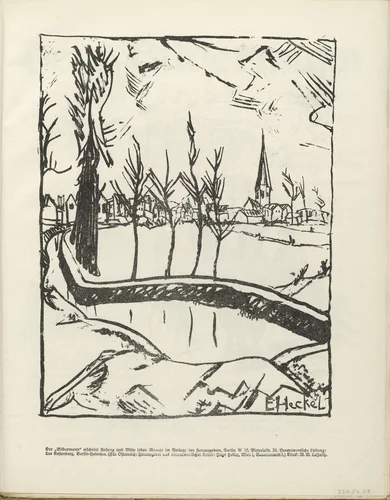
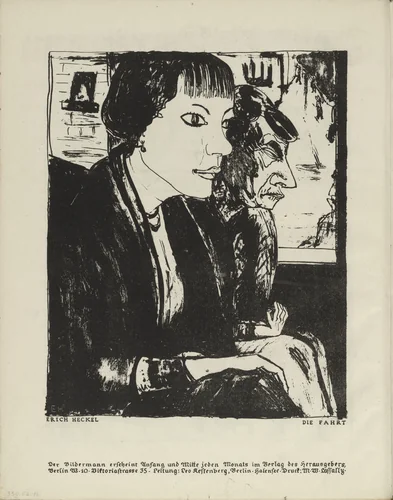
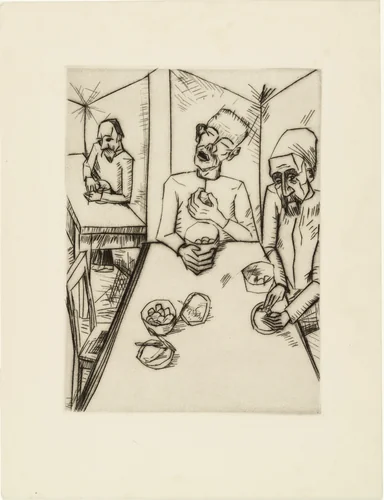
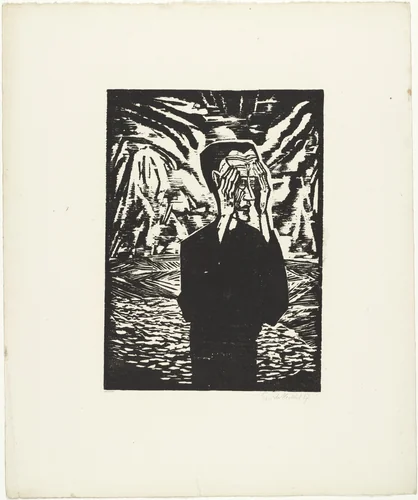
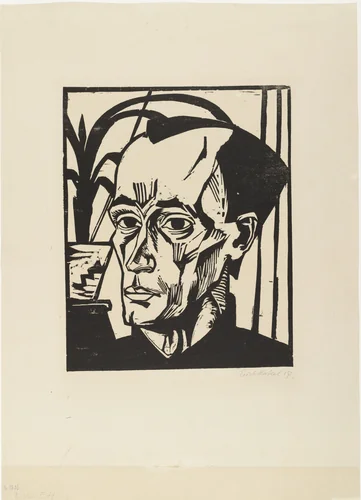
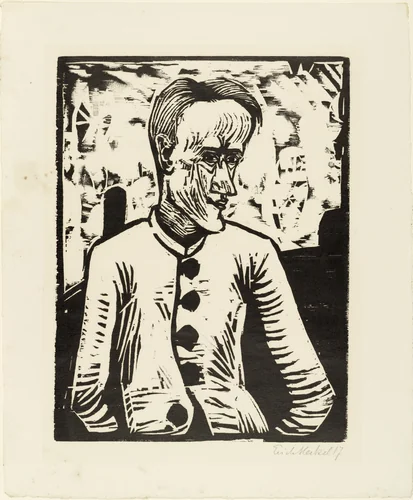
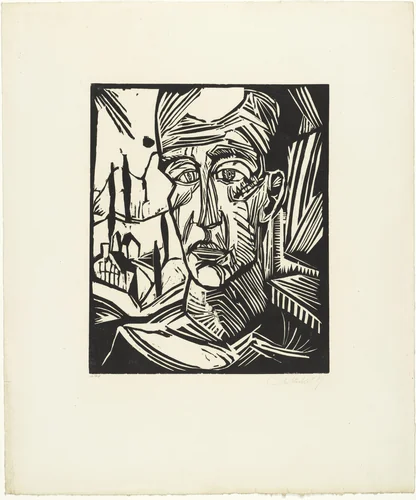
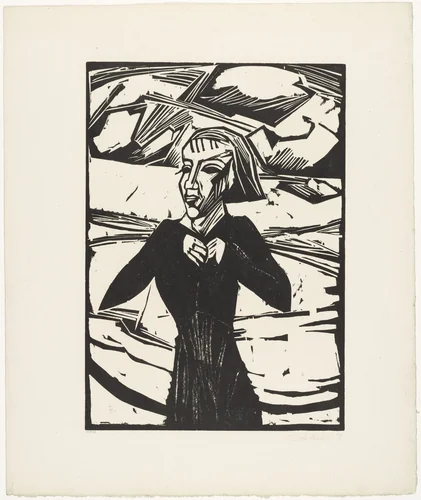
Heckel’s most influential output occurred during the group’s initial intense period, specifically spanning 1907 to 1910, during which he focused overwhelmingly on graphic art. His work is characterized by a disciplined use of media, favoring the raw, deliberate coarseness of the woodcut and the fluid spontaneity of the lithograph. This graphic focus is evident in pieces such as Head (Kopf) and the early Expressionist benchmark Masks (Masken). These Erich Heckel prints demonstrate the artist’s skill in using stripped-down forms to convey inner tension. His contribution to the 1908 Brücke portfolio, including the striking Sailboat (Segelboot), cemented his reputation as a master of the group’s defining aesthetic. Furthermore, his exploration of narrative extended to five illustrated books, showcasing his interest in synthesizing image and text.
The human form, often rendered with striking monumentality and expressive geometry, was a constant concern. Works like Maja and the imposing Seated Woman with Crossed Legs (Frau mit gekreuzten Beinen sitzend) reveal his commitment to depicting the figure not realistically, but as a vessel for psychological truth. Heckel’s work, which captures a nervous, modern urgency, found its way into high-profile international showcases, perhaps most unexpectedly through his participation in the art competitions held during the 1928 and 1932 Summer Olympics. This unusual intersection of avant-garde practice and formalized global competition adds an intriguing layer to his biography.
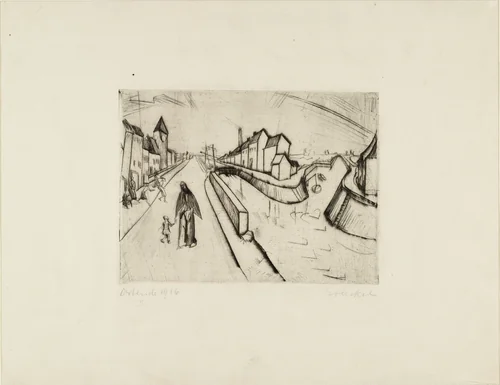
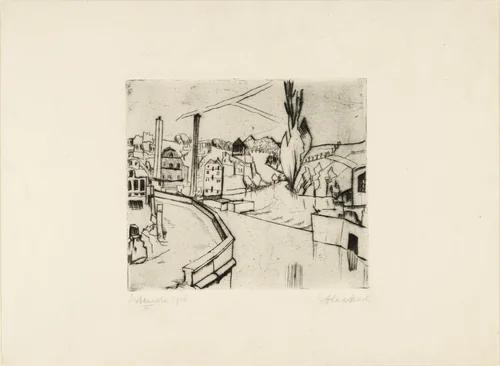
Following the dissolution of Die Brücke in 1913, Heckel continued to develop his distinctive vision, which evolved toward a slightly more lyrical, yet still firmly structured, style. His historical importance is confirmed by the prominence of his works in institutions globally, including the Museum of Modern Art. Today, many of these museum-quality artworks are in the public domain and available as downloadable artwork, providing researchers and collectors wide access to high-quality prints and other royalty-free reproductions of his significant contributions to modern art.
Source: Wikipedia · CC BY-SA 4.0