Erhard Reuwich
Erhard Reuwich, a Dutch artist and printer originally hailing from Utrecht, holds a crucial, if chronologically brief, position in the history of 15th-century European print culture. Although the specific dates of his birth and death remain undocumented, his significant output as a designer of woodcuts flourished after he relocated to Mainz, where he was professionally active during the mid-1480s.
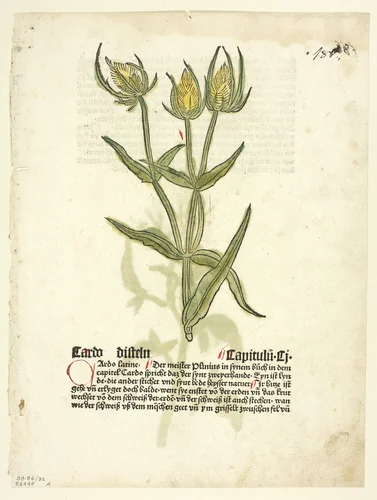
Reuwich’s primary legacy rests upon his pioneering contribution to illustrated books, demonstrating a sophisticated merger of scientific curiosity and topographical documentation. He is perhaps best known for the intricate designs created for the pivotal early printed text, Gart Der Gesundheit (often translated as Garden of Health or Hortus sanitatis), first published around 1485. This landmark work elevated the standard of botanical illustration, demanding both scientific accuracy and aesthetic appeal. His illustrations, such as the precise study Thistle (recto) and Thistle buds (verso), set a new benchmark for observational clarity in the delineation of flora.
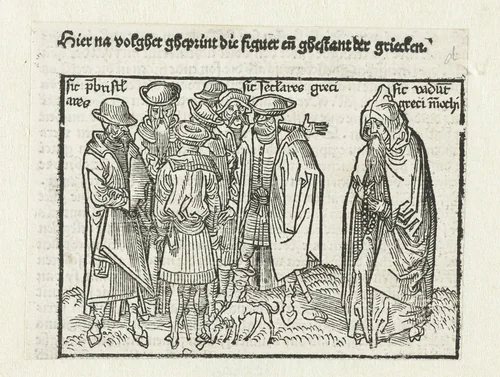
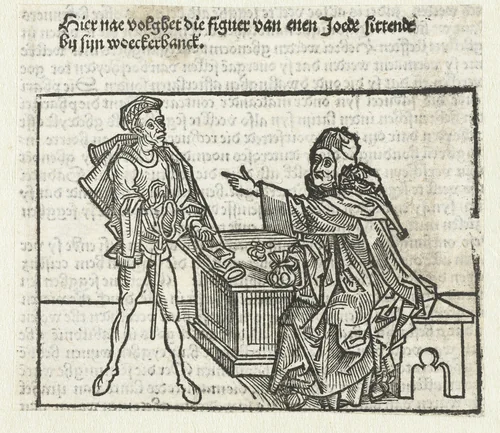
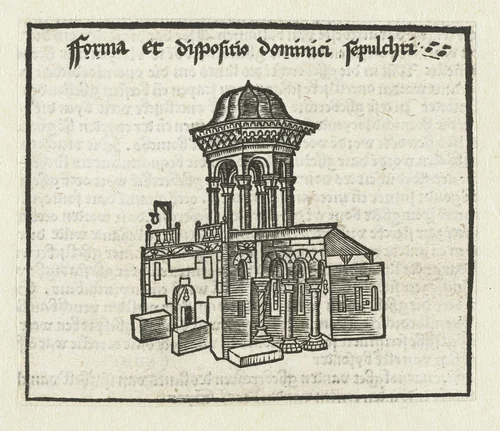
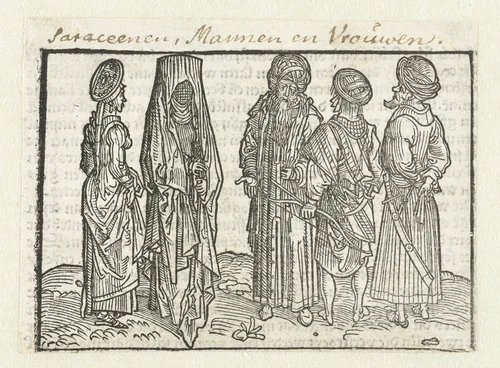
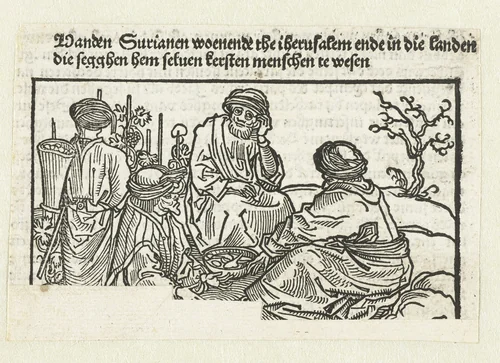
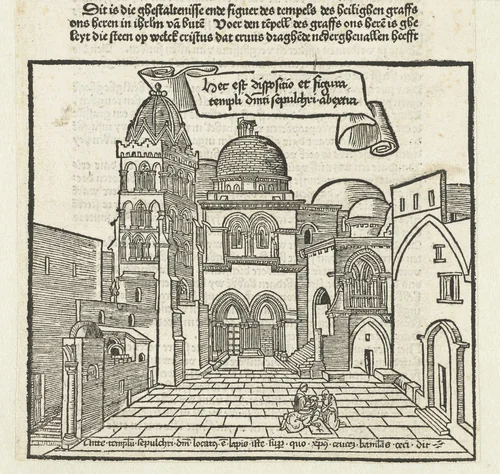
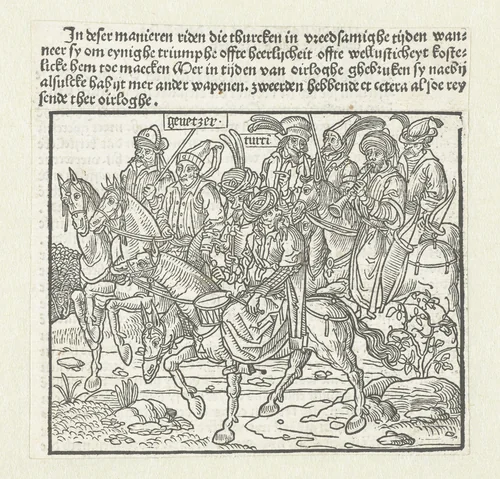
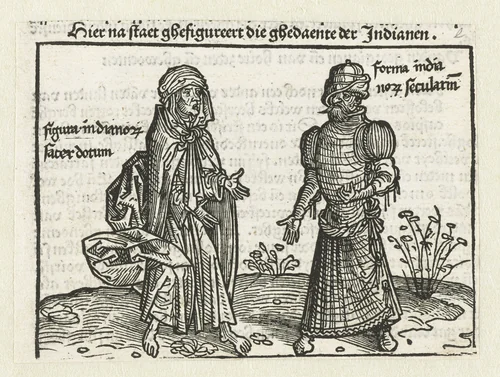
While celebrated for his precision in natural history, Reuwich also exhibited an unusual breadth, pioneering early ethnographic representations derived from travel. His designs moved beyond the garden to document the human subjects encountered in foreign lands, hinting at a new demand for visual travel reporting among the era’s wealthy patrons. This is evidenced by his striking portrayals, including De Grieken, De joodse man, and the topographical rendering of the Heilige graf (Holy Sepulchre), alongside the distinctive depiction of Saracenen. His work offers a fascinating, and often stylized, early glimpse into the emerging European curiosity about diverse cultures.
Despite the relatively narrow window of his active years, Reuwich’s detailed woodcuts proved remarkably influential on succeeding generations of printmakers. The surviving examples of these limited 15th-century impressions are highly valued, with the rarity of originals ensuring their status as museum-quality pieces. Examples of his designs, available today as high-quality prints and even downloadable artwork in certain collections, are housed in major international institutions, notably the Rijksmuseum and the Art Institute of Chicago.
Source: Wikipedia · CC BY-SA 4.0