Erhard Altdorfer
Erhard Altdorfer (c. 1506-1534, active in graphic arts) was a prominent figure of the German Early Renaissance, defined by his roles as a printmaker, painter, and architect. Unlike many itinerant masters of his era, Altdorfer enjoyed an unusually stable institutional life: beginning around 1512, he held the esteemed position of court painter in Schwerin, maintaining this crucial post until his death in 1561. This lengthy tenure provided both security and influence, allowing him to work across various media within the context of ducal patronage.
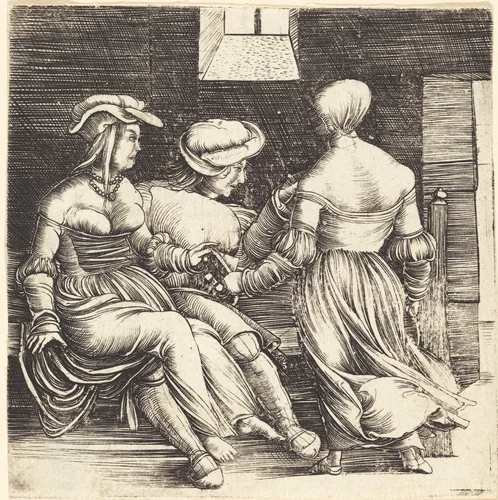
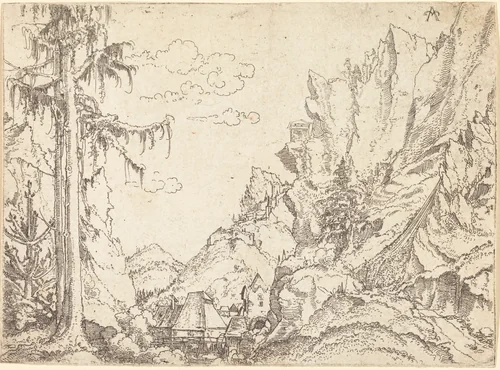
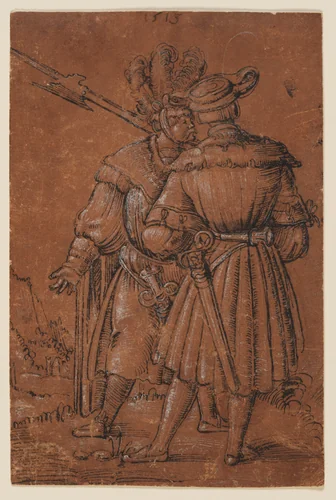
While the definitive attribution of his architectural projects and paintings remains subject to scholarly debate, Altdorfer’s significance rests securely on his graphic output. His etchings and woodcuts demonstrate a mastery of the detailed, atmospheric style associated with the Danube School, where his older brother, Albrecht Altdorfer, was a leading light. Erhard was adept at creating intense visual narratives, evident in his known works which range from dramatic geographical studies, such as the single recorded drawing, Mountain Landscape, to more intimate secular subjects like Young Man and Maids. His military interests are also recorded through pieces like the detailed Two Lansquenets.
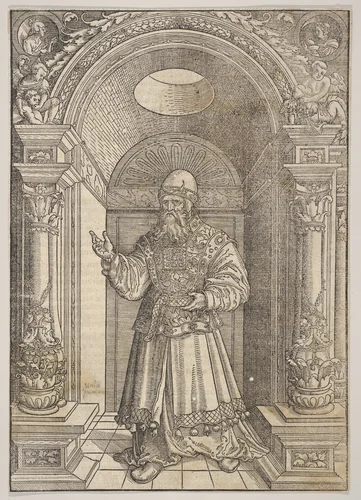
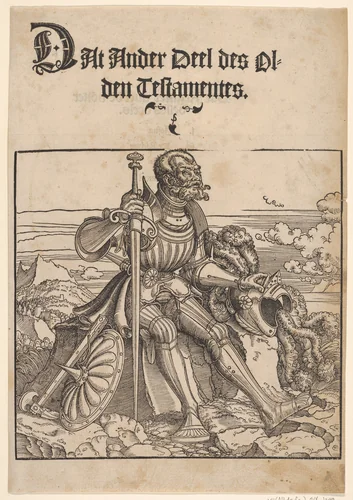
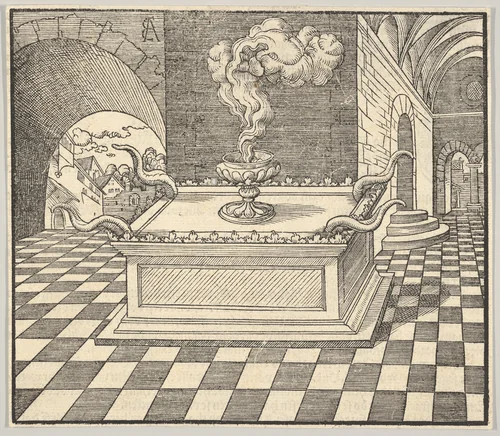
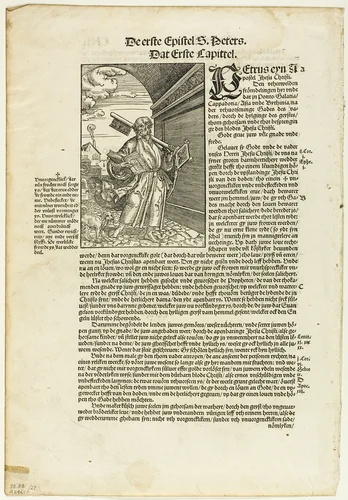
Altdorfer’s most historically impactful works are his powerful religious illustrations. During the tumultuous period of the Reformation, he contributed substantially to the 1533 German edition of the Bible translated by Martin Luther. The forceful compositions of figures such as Aaron and Joshua, drawn from this pivotal text (De Biblie uth der uthlegginge Doctoris Martini Luthers), ensured that Erhard Altdorfer prints circulated widely, integrating his artistry into the very fabric of changing religious culture.
His work demonstrates a consistently high technical standard, cementing his reputation as a key, if sometimes overlooked, exponent of Renaissance graphics. Today, examples of his artistry are preserved in major international repositories, including the Metropolitan Museum of Art and the National Gallery of Art. Thanks to their age and historical nature, many of these Early Renaissance works are now in the public domain, making high-quality prints and downloadable artwork available for research and appreciation worldwide.
Source: Wikipedia · CC BY-SA 4.0