England
England, during the highly productive period spanning the mid-fourteenth to early sixteenth centuries (c. 1350–1501), established itself as a paramount center for sophisticated textile production, exporting its luxury wares throughout Europe. Geographically situated on the island of Great Britain, bordered by Scotland to the north and Wales to the west, the political entity of England utilized its capital, London, as a hub for both domestic and international commerce, fueling a distinctive artistic identity that remains influential.
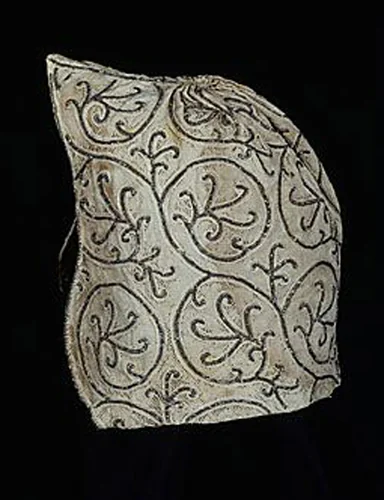
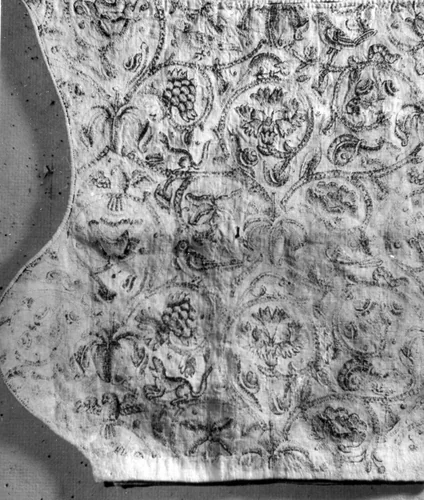
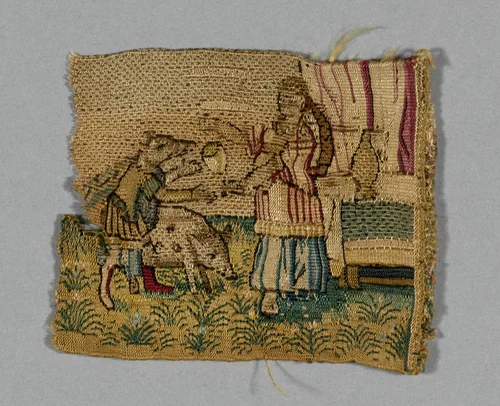
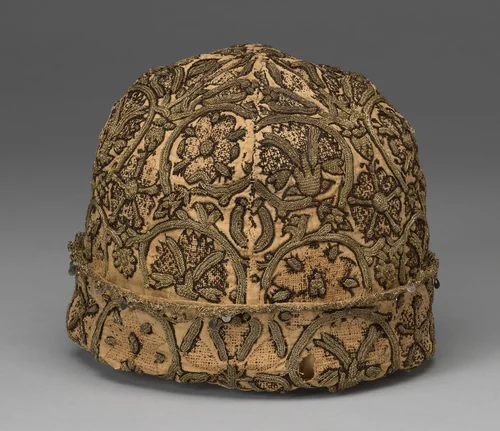
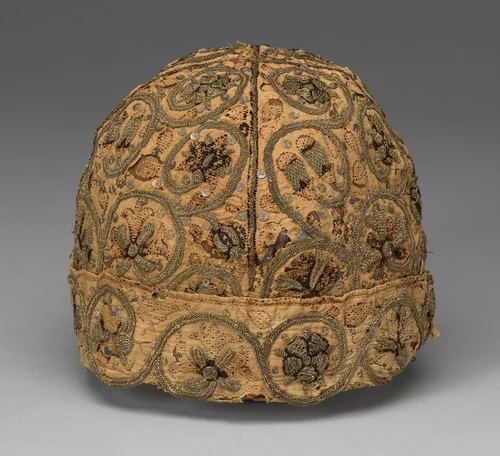
The collective corpus attributed to this era is overwhelmingly concentrated in textiles, with fourteen distinct objects cataloged, reflecting the period’s high demand for intricate vestments and accessories. This craftsmanship, often termed Opus Anglicanum, involved the intensive use of fine silk and gold thread worked into dense, detailed compositions. Masterpieces like the Cope and the Fragment from an Orphrey Band Showing St. Barbara and St. James exemplify this meticulous tradition, transforming functional clerical attire into portable devotional artworks.
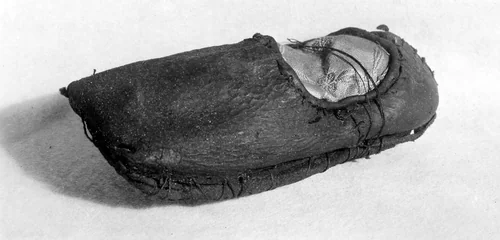
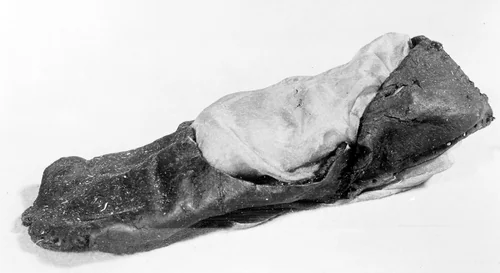
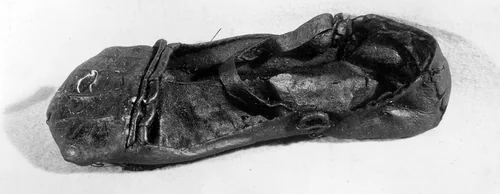
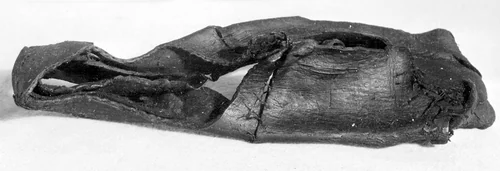
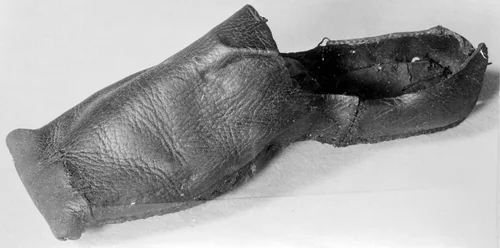
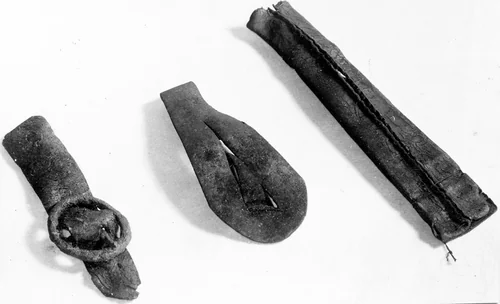
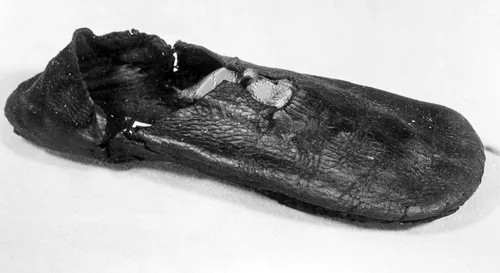
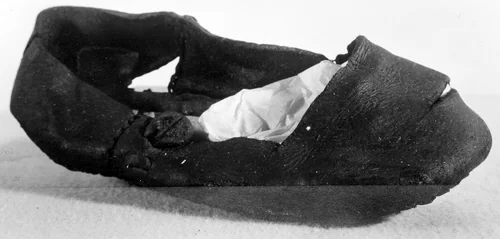
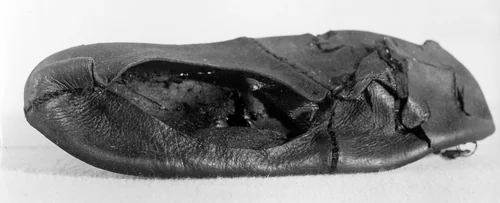
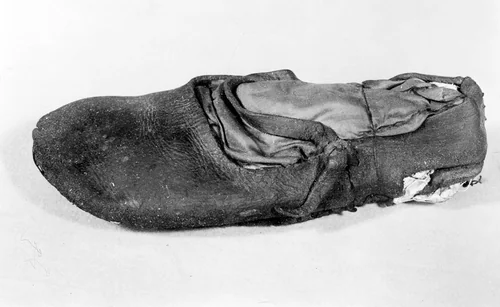
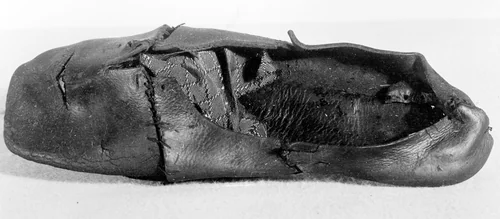
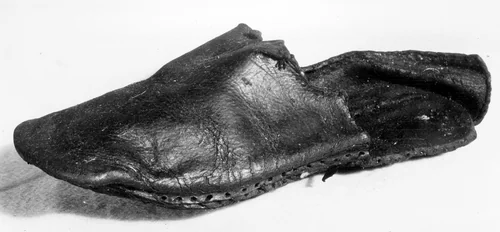
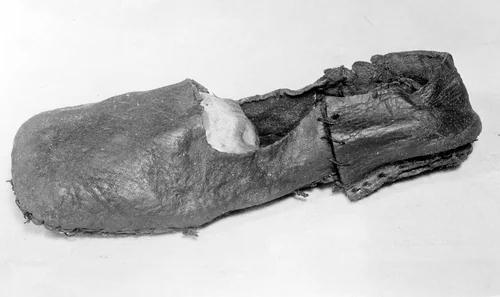
Notably, the surviving works extend beyond the ecclesiastical sphere, providing rare glimpses into personal domestic life. The documentation of artifacts such as the Ankle Boot, the Bag, and the Sole of a Shoe highlights a pervasive cultural value placed on applying superb, museum-quality workmanship even to the most transient of personal items. This dedication to crafting beautiful and highly detailed objects for everyday use offers an unexpected intimacy into the lives of late Medieval patrons.
Though centuries have passed since these items were active, the surviving works, held in distinguished collections including the Art Institute of Chicago, represent some of the highest-quality examples of pre-Tudor artistry. The enduring precision of the designs continues to attract academic interest, and researchers frequently utilize downloadable artwork or high-quality prints derived from the remaining England prints to study these historically significant techniques.
Source: Wikipedia · CC BY-SA 4.0