Emmy Andriesse
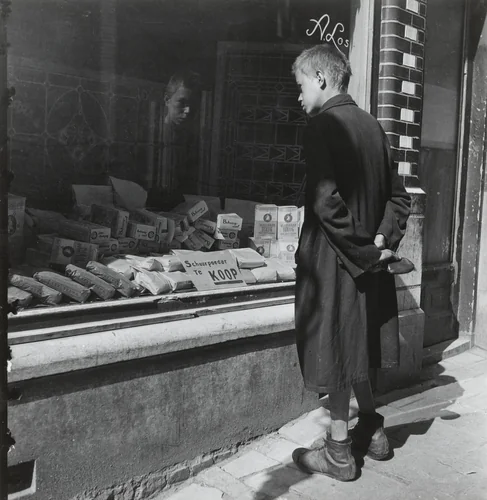
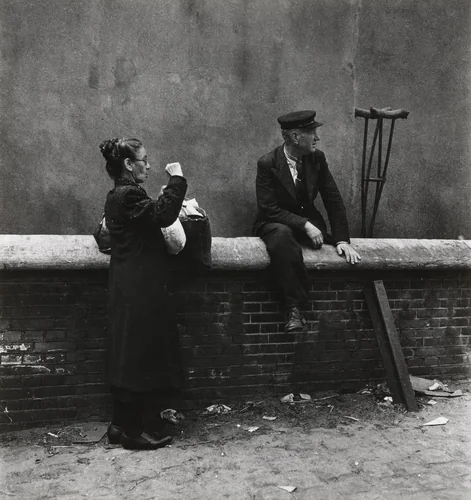
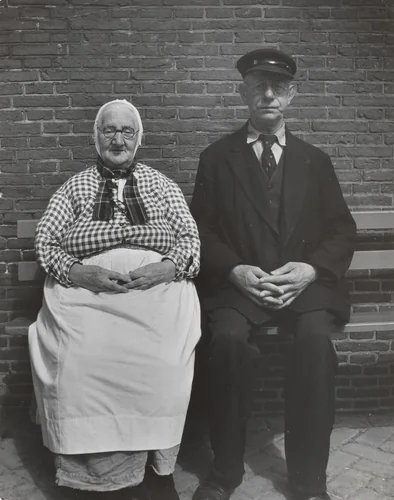
Emmy Andriesse (1914-1953) stands as one of the most significant Dutch photographers of the mid-twentieth century, celebrated primarily for the profound humanism she brought to the visual record of World War II. Her early career centered on the perilous, necessary task of photographic documentation as a key member of the Amsterdam Underground Camera group. This clandestine collective, operating secretly during the German occupation, committed itself to capturing the stark realities of daily life, starvation, and resistance, ensuring that historical evidence of the suffering and resilience of the Dutch population would survive the war.
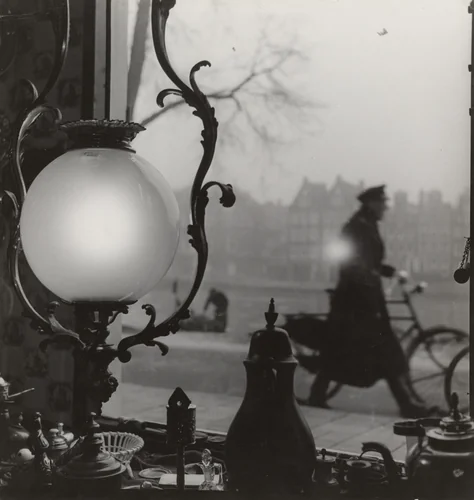
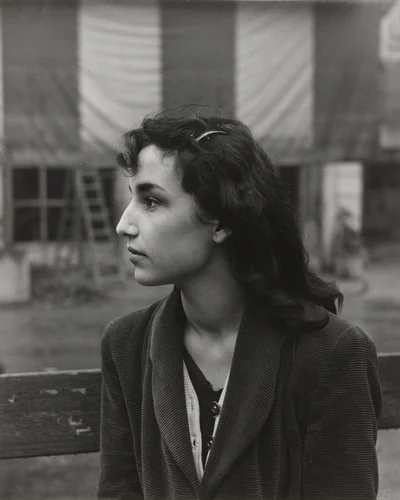
Working under continuous duress and scarcity, Andriesse created images that are foundational to the collective memory of the period. Her style is defined by a high contrast, reportorial approach, effectively juxtaposing the immense scale of historical events against the quiet desperation of the individual. Works such as Amsterdam, Winter and the candid capture of Amsterdam, onlookers watching the repatriation demonstrate her unflinching engagement with human vulnerability and dignity in the face of widespread collapse.
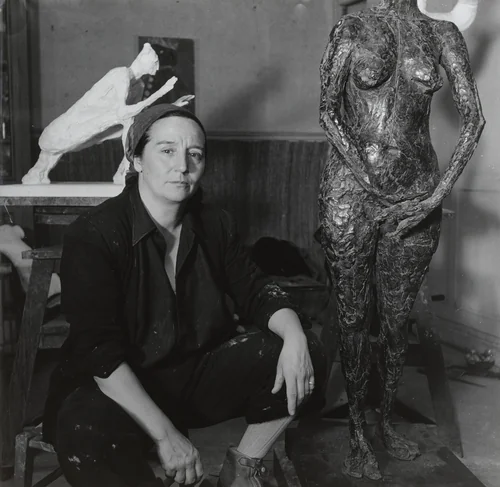
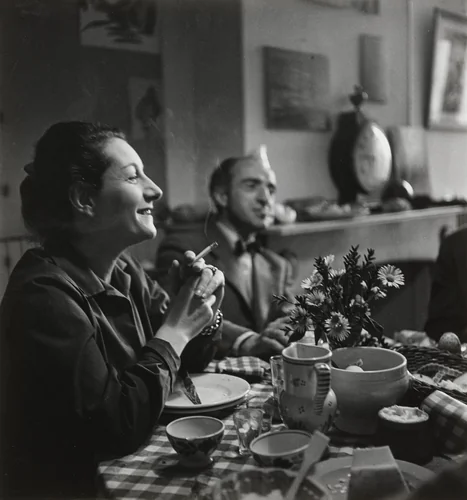
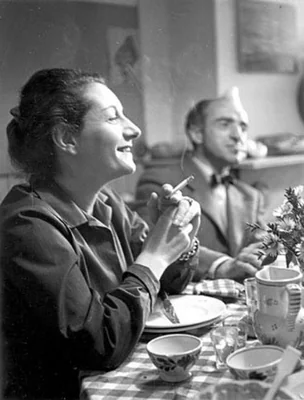
Following the Liberation, Andriesse quickly transitioned from wartime documentarian to an internationally recognized freelance photographer, focusing increasingly on portraiture and cultural assignments. Her post-war commissions displayed a measured elegance, moving easily between street scenes and studio work, producing enduring portraits including the striking study of sculptor Germaine Richier, Paris. It is this compelling artistic duality, the shift from the urgency of the famine photographer to the observational calm of the cultural documentarian, that powerfully defines her signature.
Despite a short professional life spanning less than a decade before her untimely death, Andriesse’s output secured her lasting recognition. Her works are held in prestigious institutional collections, notably the Museum of Modern Art, reflecting their museum-quality status as historical and artistic artifacts. Because much of this pivotal material now resides in the public domain, making it royalty-free for scholarly use, interest in high-quality prints of her work, often sought simply as Emmy Andriesse prints, remains high among historians and collectors alike, ensuring her profound record of mid-century Europe remains widely accessible to future generations.
Source: Wikipedia · CC BY-SA 4.0