Emile Gsell
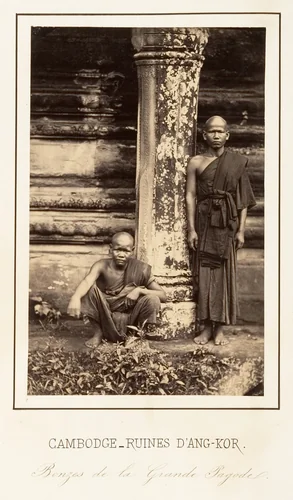
Émile Gsell (1838-1879) occupies a historically unique position as the first professional commercial photographer established in Saigon. Though his career was tragically brief, his lasting importance is rooted in his groundbreaking work documenting Southeast Asia during a period of rapid colonial expansion and scientific inquiry. Gsell’s participation in a series of ambitious scientific expeditions secured his reputation, most notably the first French mission to explore the Mekong River.
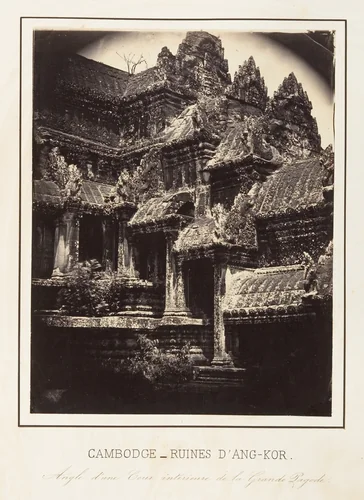
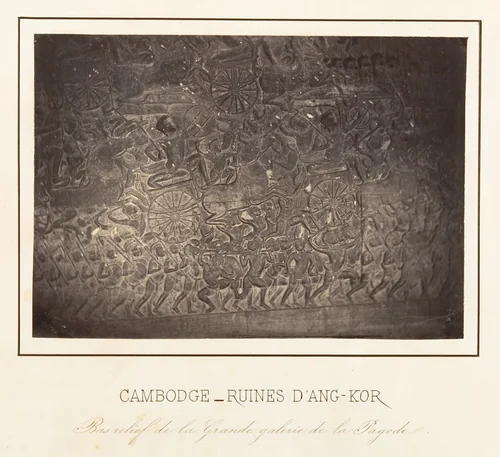
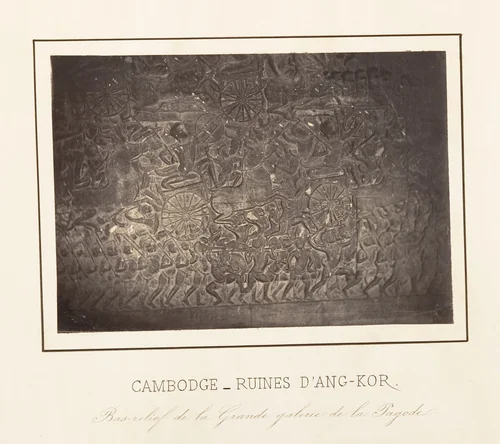
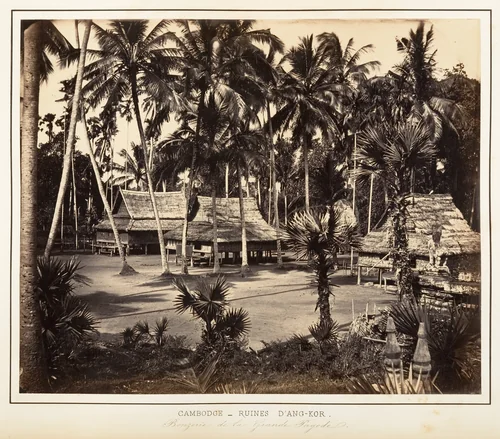
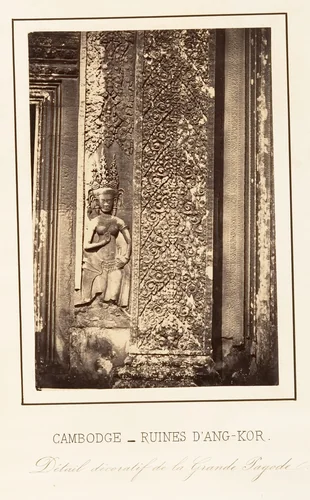
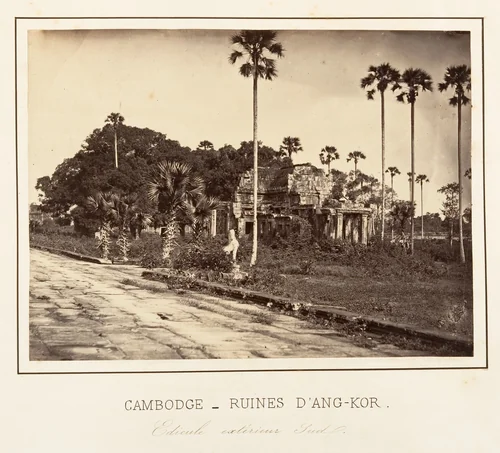
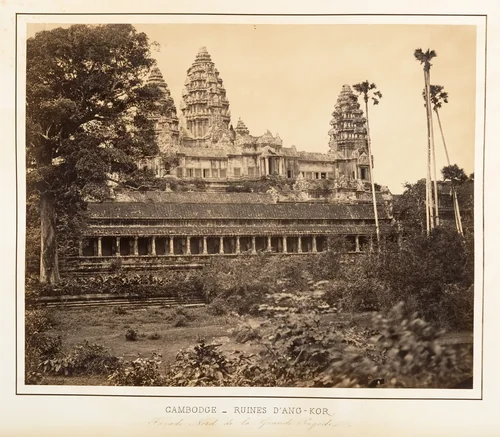
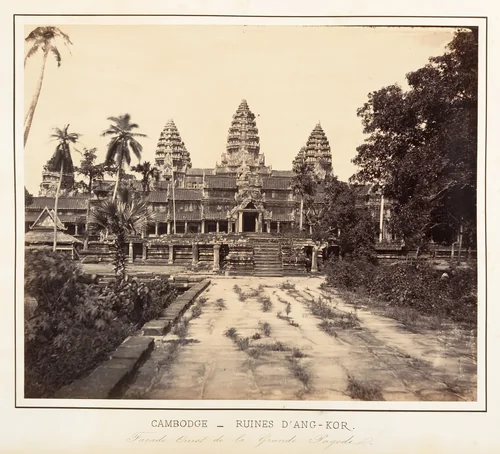
The images produced during this mission are among the earliest photographic records of the Angkor Wat temple complex. Created in the mid-1860s, Gsell’s works were foundational in introducing the monumental Khmer ruins to a Western audience, blending the objectives of meticulous scientific record with nascent photo-journalism. His architectural studies, such as Angle d'Une Cour Intérieure de la Grande Pagode, capture the scale and intricacy of the site with a precision that remains historically invaluable.
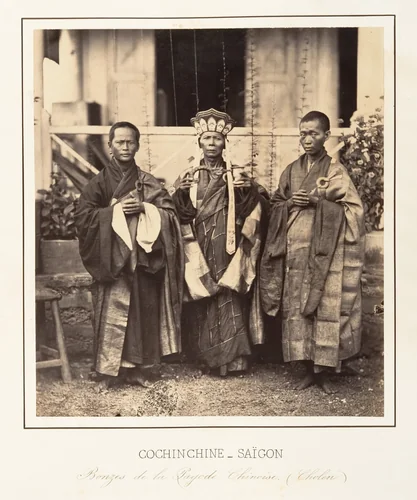
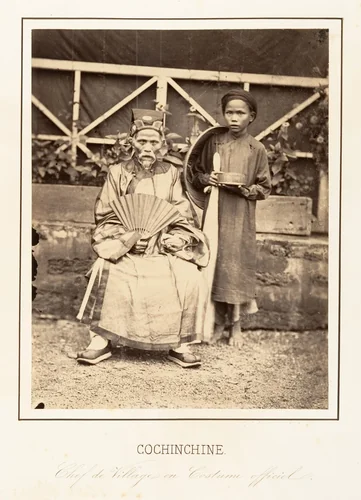
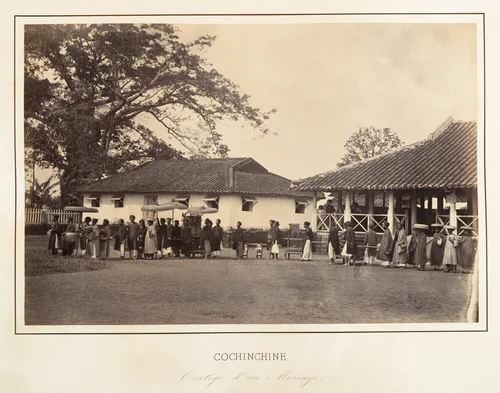
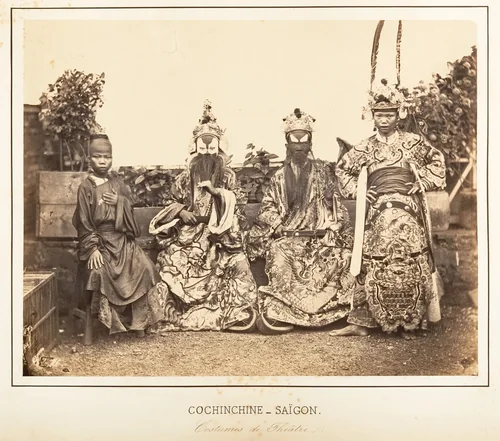
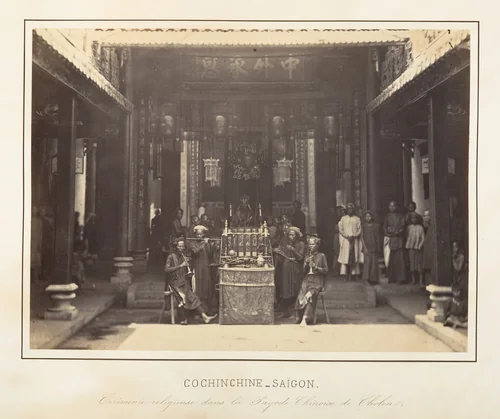
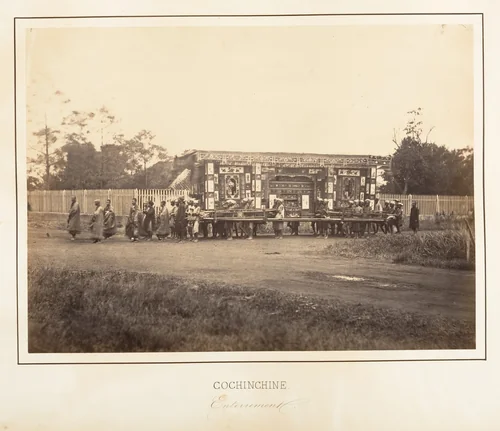
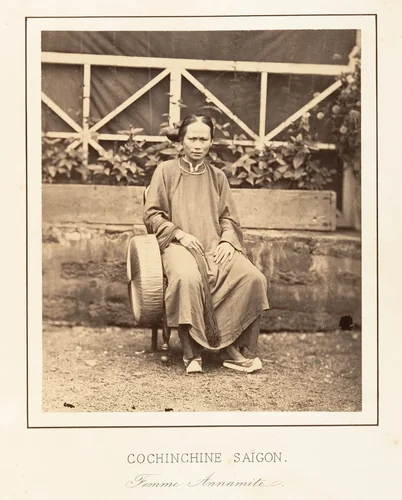
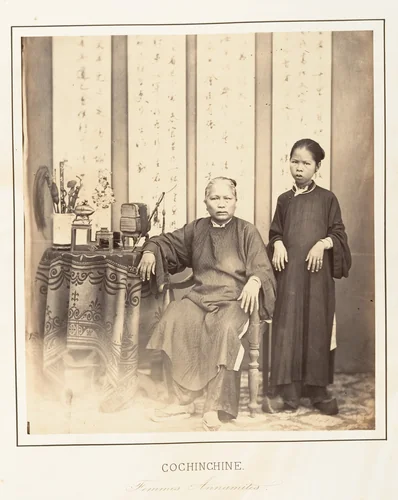
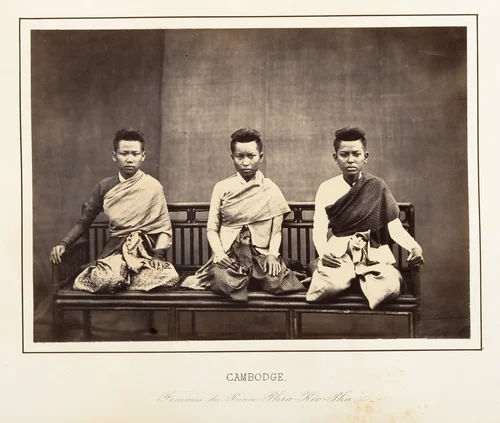
Despite his early death, Gsell proved exceptionally prolific. In slightly over a dozen years, he managed to create several hundred photographs that cataloged the complexity of the region. His surviving oeuvre demonstrates a broad engagement with subject matter, spanning architecture, landscapes, and detailed studio, genre, and ethnographic portraits. This breadth reflects not just Gsell’s considerable technical skill and entrepreneurial drive in establishing a commercial venture in Saigon, but a restless, astute observation of the rapidly changing cultural environment. His success lay in translating the exotic and the monumental into accessible, high-quality prints for colonial administrators, traveling dignitaries, and researchers alike.
Gsell’s pioneering documentation cemented the artistic and historical significance of early colonial photography. Today, his works are considered essential reference points and are held in major international collections, including the Metropolitan Museum of Art. Owing to the era in which they were created, many of these detailed photographic records are now entering the public domain, making downloadable artwork and high-quality prints widely accessible for contemporary study. Gsell’s focused output continues to offer an unparalleled window into nineteenth-century Indochina.
Source: Wikipedia · CC BY-SA 4.0
![[Photographic Advertisement] by Emile Gsell, photograph, 1860-1869](https://img.artbee.org/e9a35f30-7f27-424f-8335-824dafb236db/small.webp)