Emile Cero
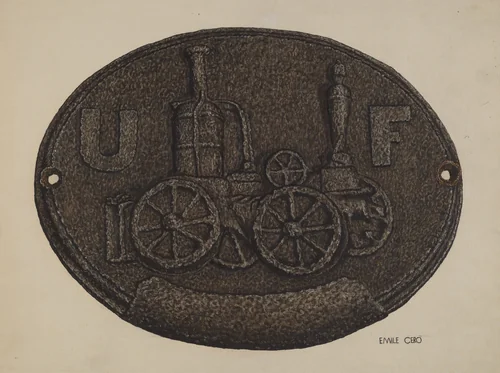
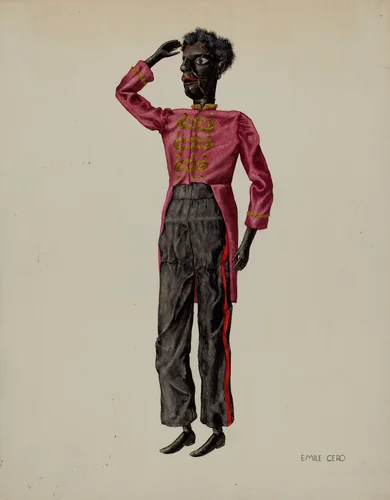
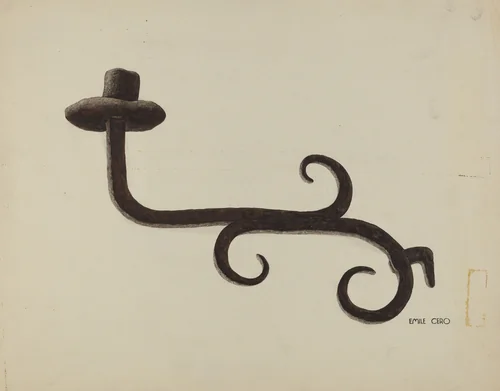
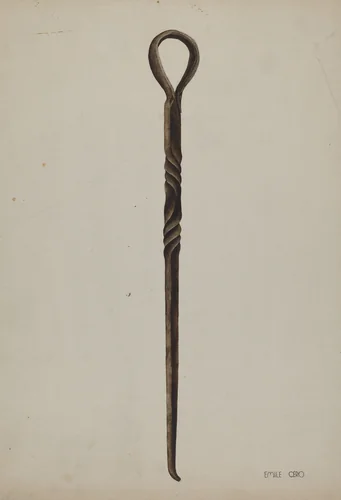
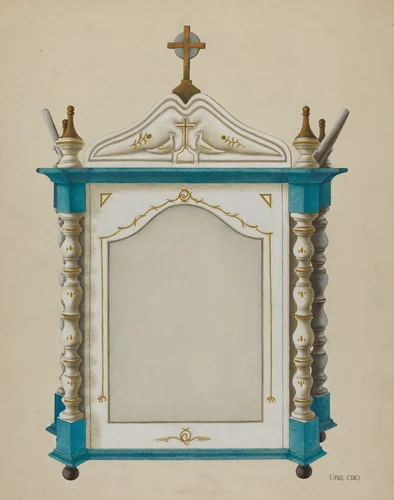
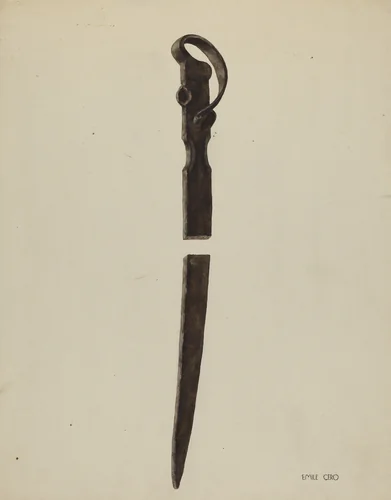
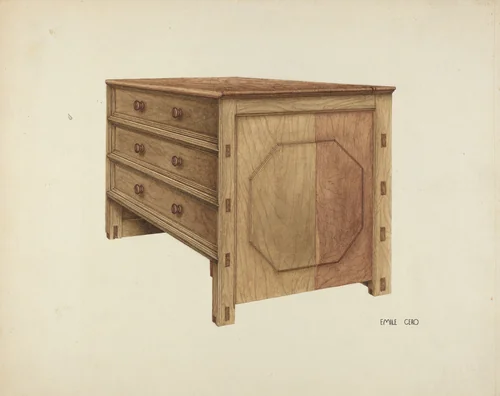
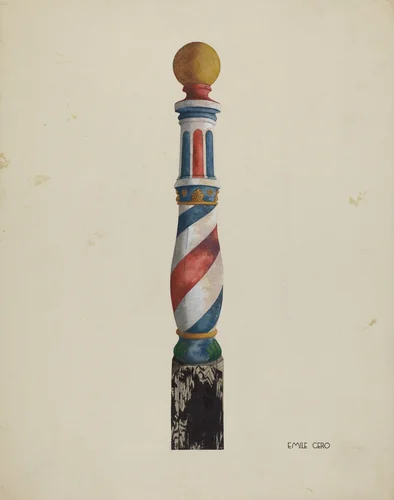
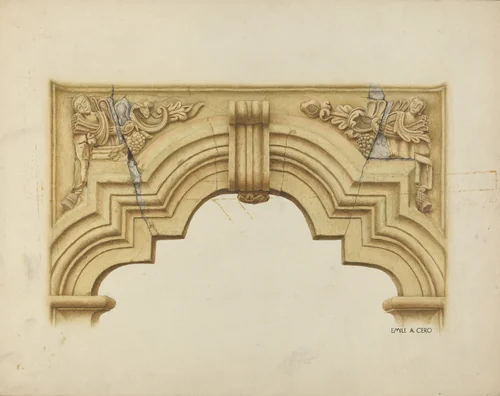
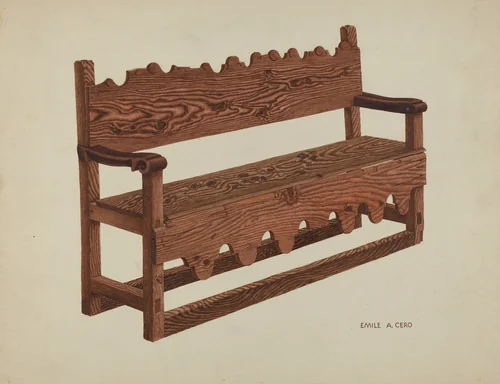
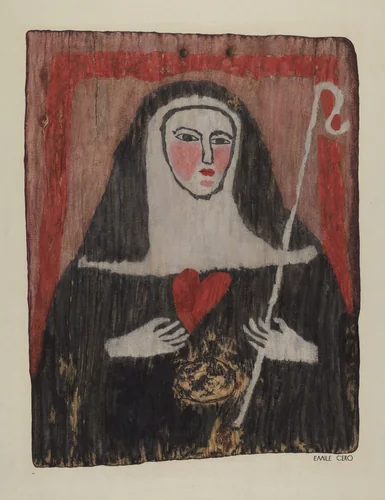
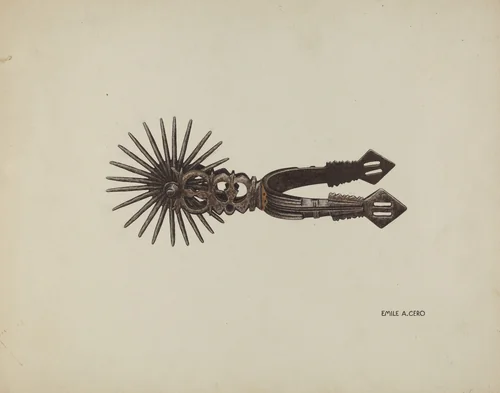
Emile Cero was an artist active for a short but significant period between 1935 and 1939. Cero’s work centered on the documentation of American decorative and folk art, primarily under the umbrella of the "index of american designs." This period of activity aligns with major federal arts projects in the United States dedicated to cataloging historical visual culture.
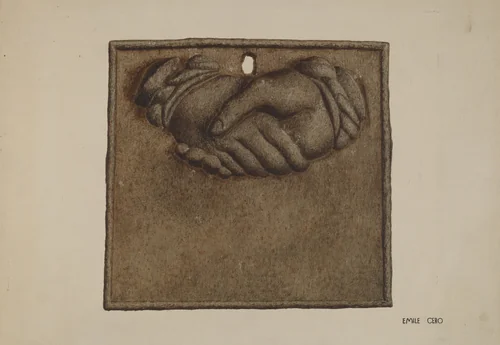
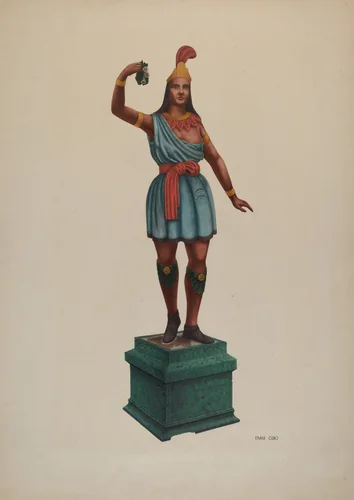
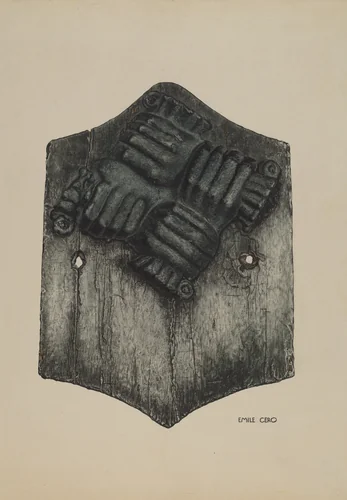
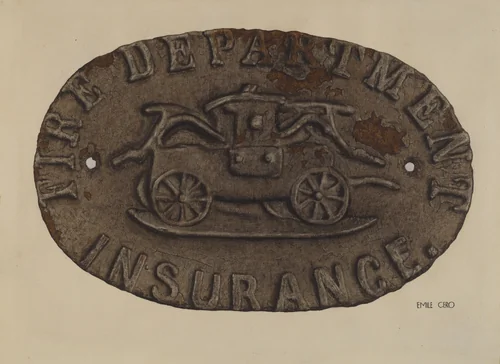
Cero is credited with fifteen documented entries in the index of american designs currently represented in museum collections. The subjects documented reflect traditional 19th and early 20th-century American material culture, including multiple studies of the Firemark and the distinctive folk art object, the Cigar Store Indian. These works represent Cero's detailed renderings used for historical preservation and public dissemination.
Institutional holdings confirm the historical significance of the work. Examples of documentation created by Cero are preserved in the collections of the National Gallery of Art. While the total artistic output is unknown, these institutional records ensure the preservation of Emile Cero prints and studies. Much of this research material created during the New Deal era is now frequently in the public domain, allowing access to high-quality prints and downloadable artwork for historical study.