Emil Orlik
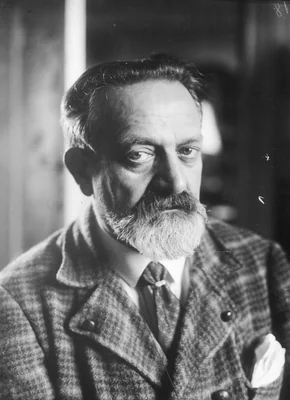
Emil Orlik (1870-1932) stands as a pivotal figure in the fin-de-siècle graphic arts of Central Europe, recognized primarily as an exceptional Czech painter, etcher, and lithographer. His career spanned key cultural centers, including extensive periods living and working in Prague, Austria, and Germany, allowing him to absorb and synthesize diverse aesthetic trends. Unlike many contemporaries who specialized in a single medium, Orlik moved fluidly between oil painting and various printmaking techniques, producing a substantial body of museum-quality work.
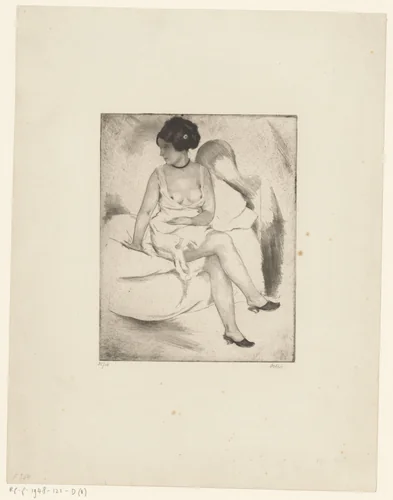
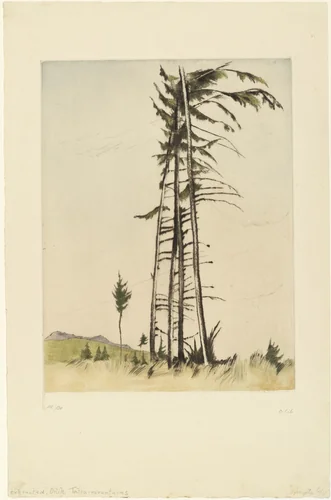
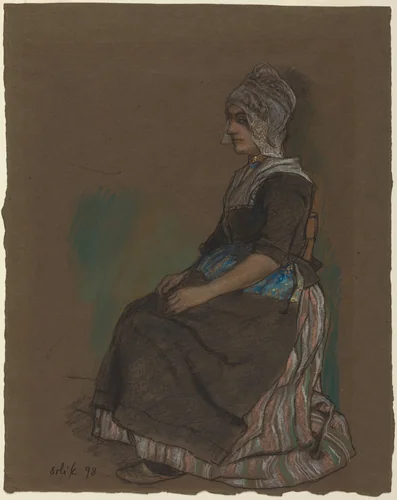
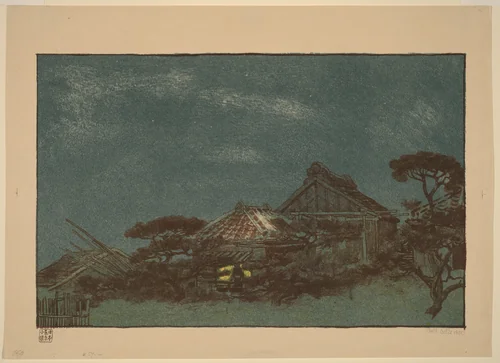
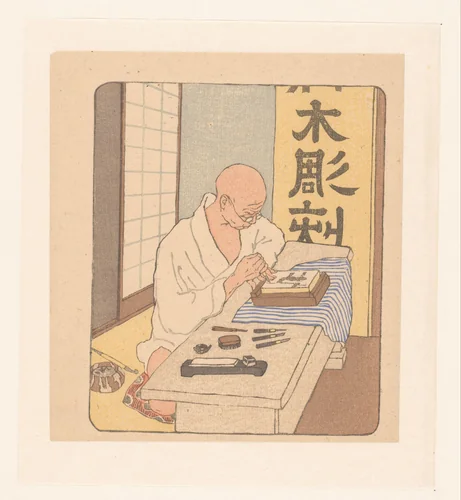
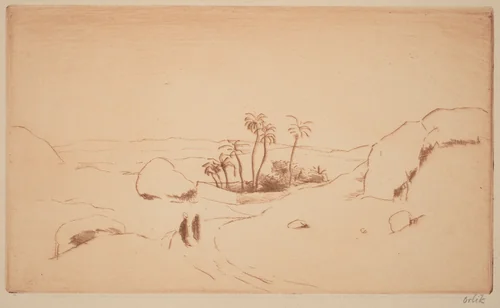
Orlik’s lasting influence resides predominantly in his mastery of the graphic arts, where his innovative approach to color lithography and refined etching captured the psychological complexity of modern life. He was profoundly influenced by the Japanese woodcut tradition, or Ukiyo-e, traveling extensively through East Asia in the early 1900s. This engagement with Japanese aesthetic principles is evident in the dynamic composition of works like Tatra Mountains (Tatry) and the spatial economy found in pieces such as Zittende vrouw (Seated Woman). His incorporation of flat planes of color and strong outlines helped define the visual language of the period's leading art publications.
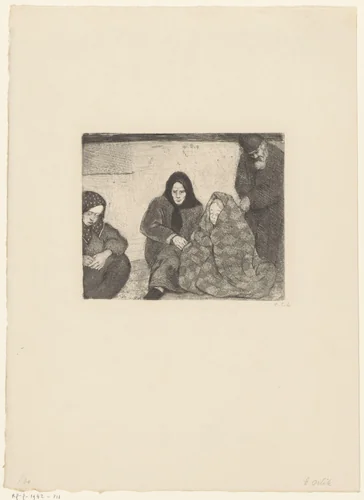
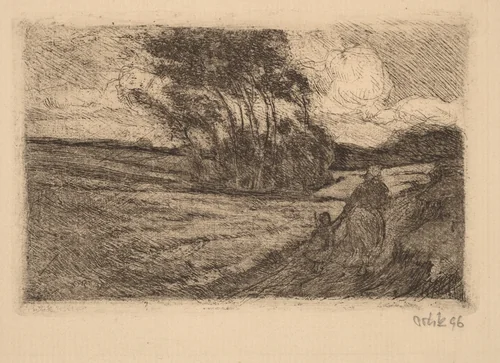
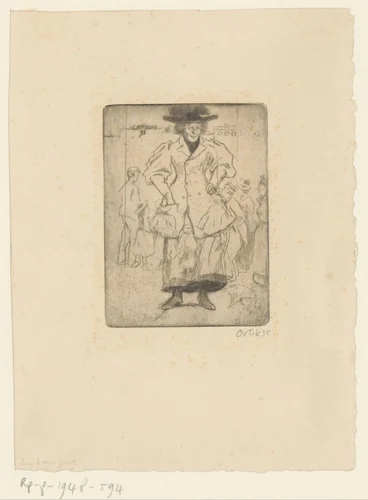
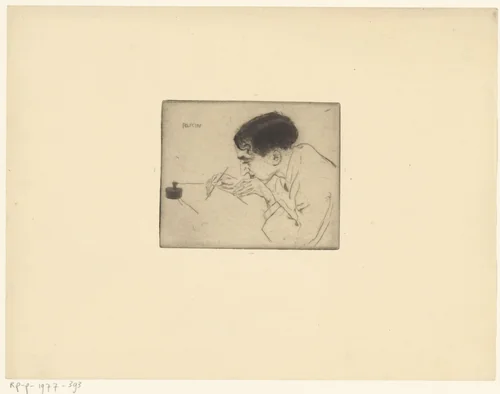
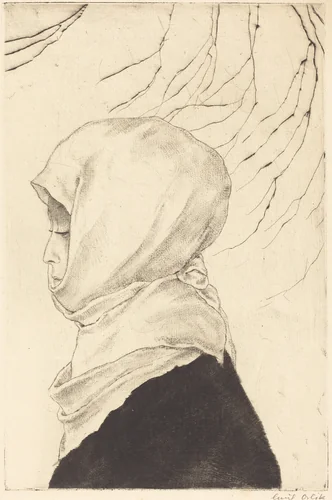
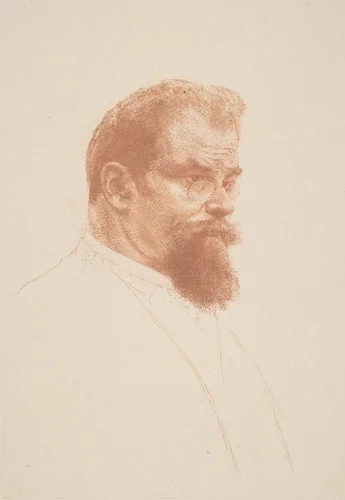
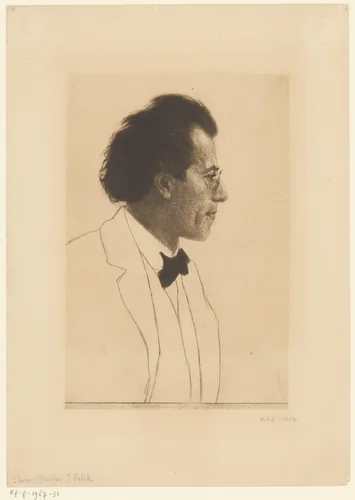
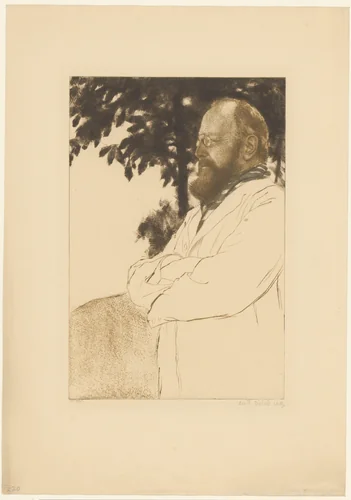
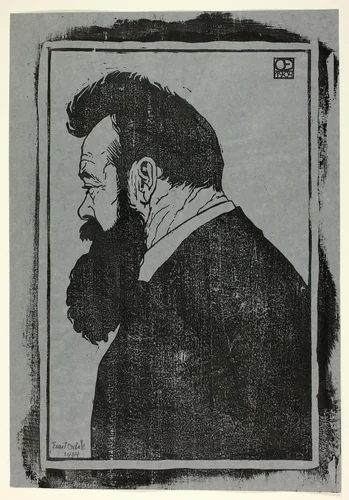
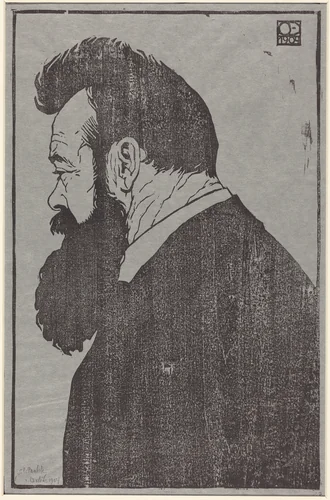
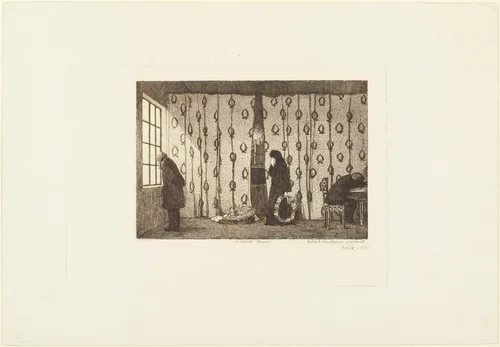
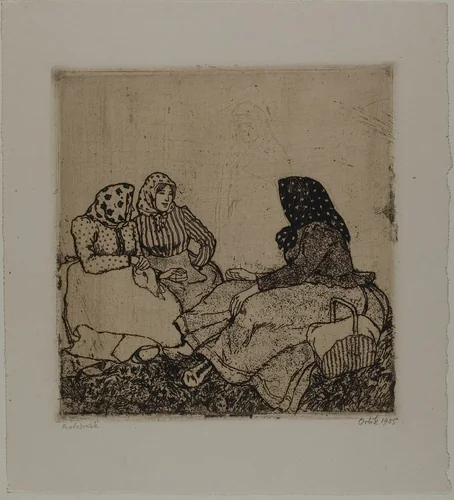
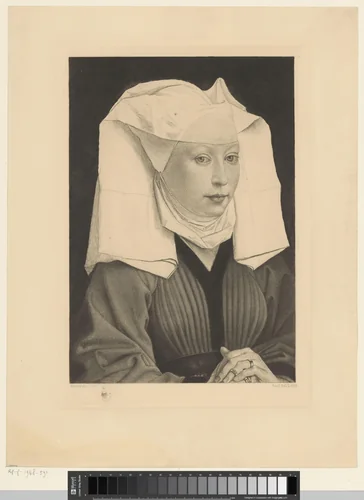
Whether documenting local interactions in works such as Overleg van boeren (Consultation of Farmers) or capturing isolated introspection in Treurende figuren (Mourning Figures), Orlik approached his subjects with keen sociological observation, often focusing on ordinary moments rather than grand historical narratives. He was also a remarkably adept portraitist of literary and theatrical figures; one often notes that his printed portraits managed to capture more character than many contemporary photographs. The versatility of Emil Orlik prints is further displayed in the atmospheric tension of studies like Thunderstorm (Small).
Orlik’s active period, culminating around 1904, saw him produce a remarkable catalog of graphics now held in major institutions worldwide, including the National Gallery of Art and the Rijksmuseum. While the span of Emil Orlik paintings is notable, his contribution to printmaking remains foundational. Because much of his prolific graphic work has since entered the public domain, a new generation of collectors and scholars can now study these high-quality prints, securing his position not merely as a transitional figure, but as an essential modern graphic artist.
Source: Wikipedia · CC BY-SA 4.0