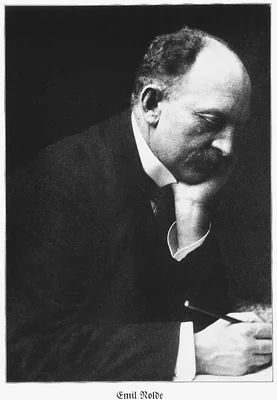
Emil Nolde
Emil Nolde stands as one of the pivotal figures in the development of 20th-century German art, recognized immediately as an essential early practitioner of Expressionism. His innovative application of intense, non-naturalistic color established a crucial aesthetic precedent for the movement’s trajectory.
A German painter and printmaker, Nolde was among the first artists of the early 1900s to radically explore the emotional potential of color in both oil and watercolor media. His canvases are defined by vigorous, often raw brushwork and an inherently expressive palette. Golden yellows and deep, visceral reds are recurrent features, injecting a luminous quality into otherwise somber or brooding compositions.
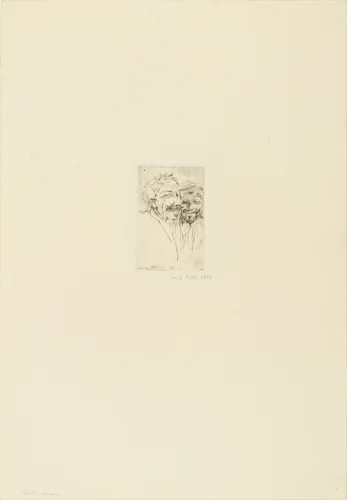
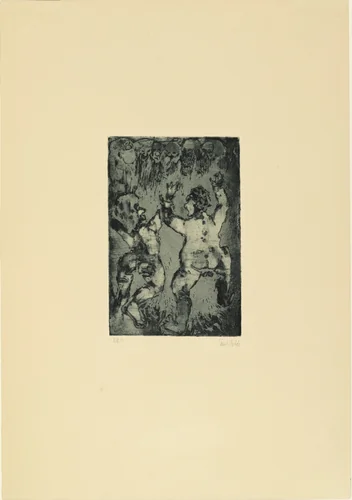
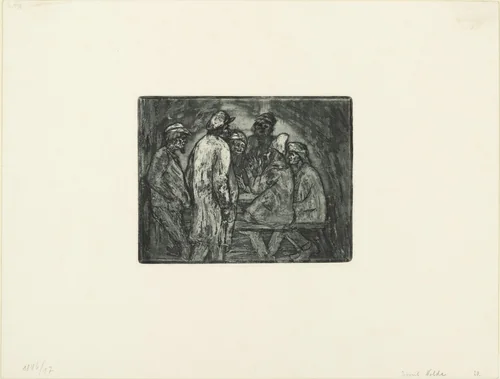
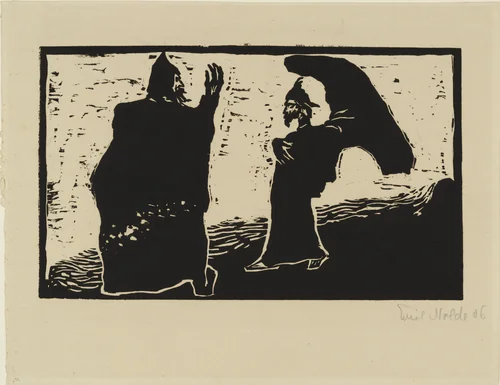
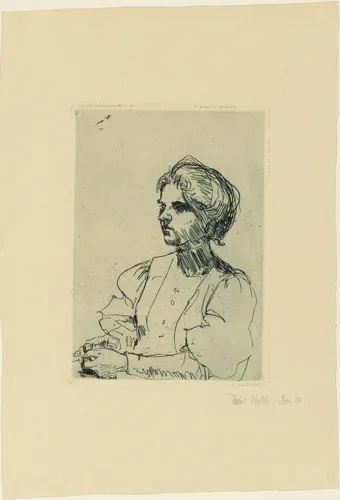
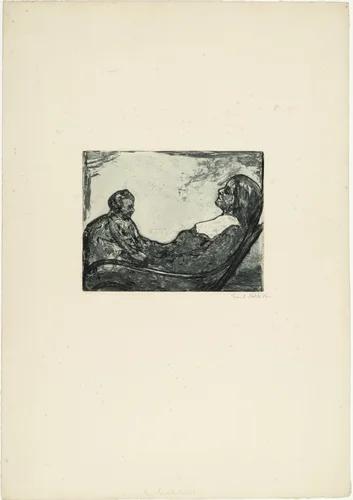
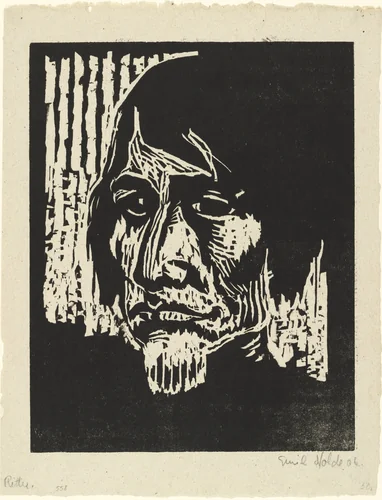
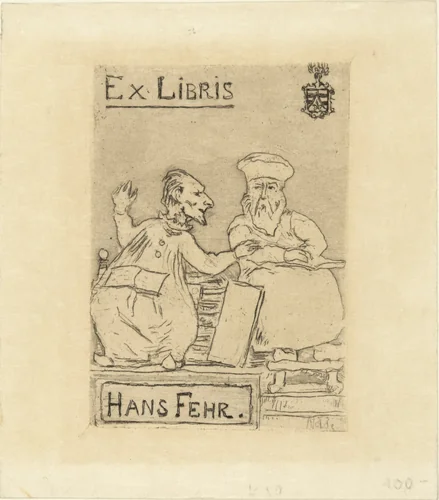
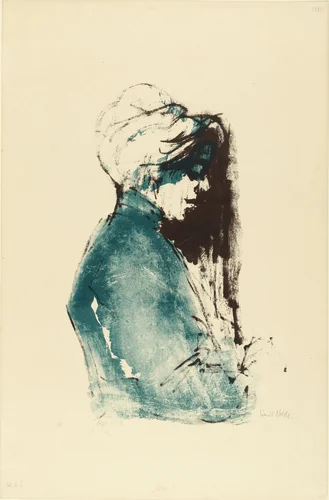
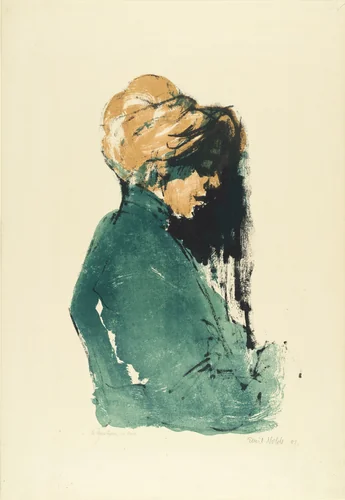
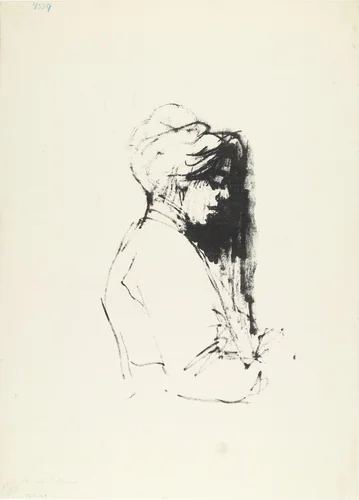
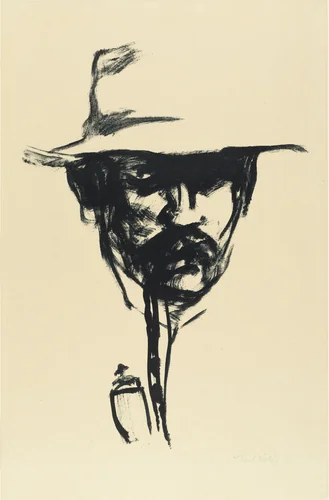
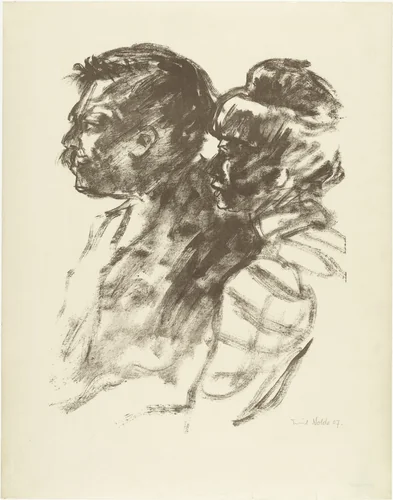
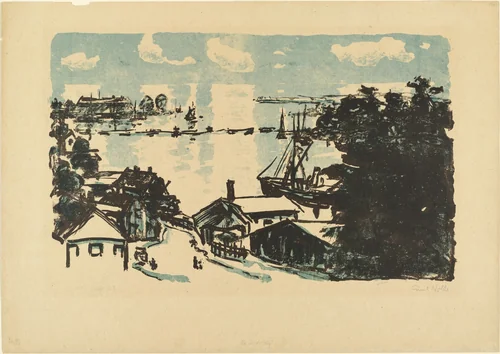
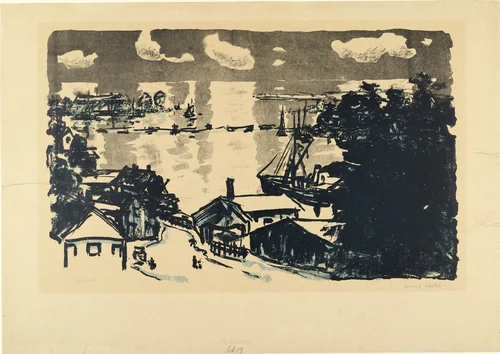
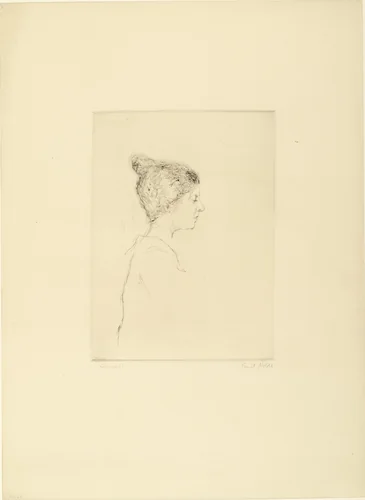
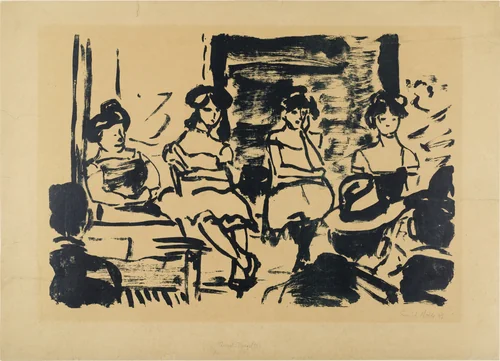
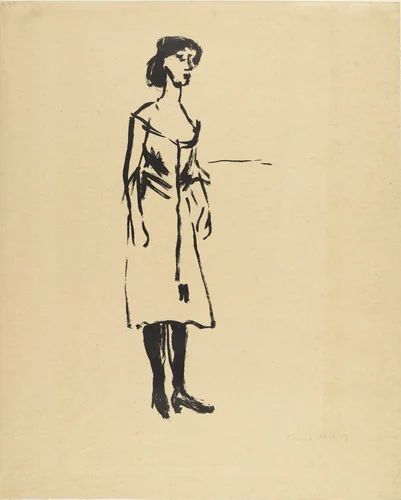
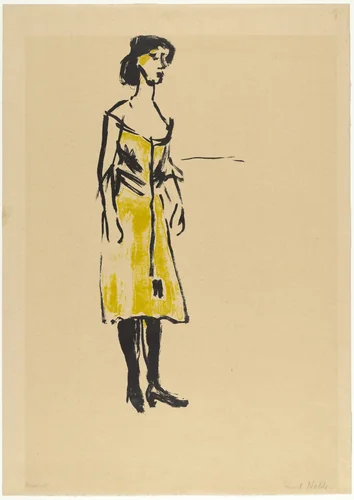
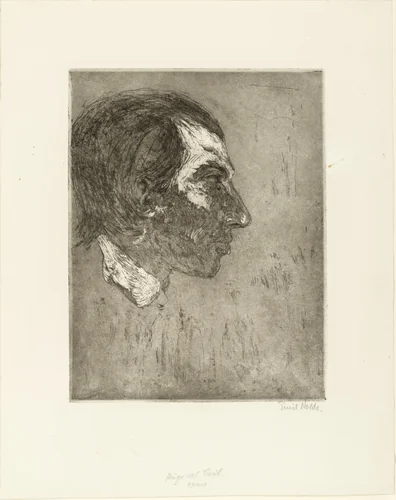
Though his career extended for decades, the pivotal period of his printmaking activity, roughly 1898 to 1907, coincided with his brief yet influential membership in the radical artist group Die Brücke. His graphic works from this era demonstrate a keen focus on psychological tension and satirical observation, reflecting the tumultuous atmosphere of early modernism. Examples of this focus include works such as Scoundrels (Lumpen) and Dinner Party (Tischgesellschaft), alongside more complex narrative pieces like General and Aide (General und Diener) from the Fairy-Tales portfolio, and the psychological study Girl (Mädchen).
Nolde’s skill extended profoundly to his watercolors, which vary dramatically between vivid, brooding storm-scapes and brilliant, nearly abstract florals. It is often observed that the profound technical mastery he achieved in these small, vibrant studies, where the paper often seems to absorb the elements themselves, stands in fascinating contrast to the turbulent political affiliations and complex historical realities that defined his later career.
His collected works, including 15 key prints held in major collections like the Museum of Modern Art, continue to define the early 20th-century aesthetic. Today, seminal Emil Nolde prints are sought after by institutions worldwide, and numerous examples of his artwork are available as high-quality prints via the public domain, allowing global access to his crucial innovations in modernist expression.
Source: Wikipedia · CC BY-SA 4.0