Emanuel Leutze
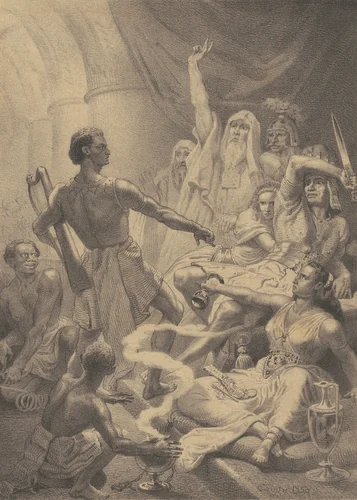
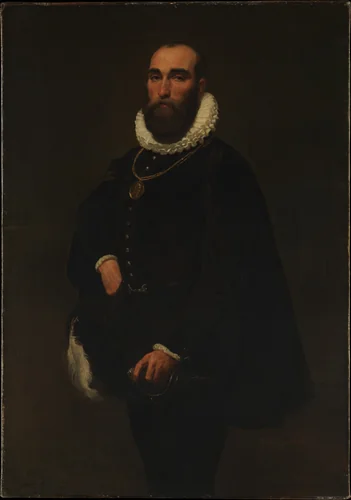
Emanuel Gottlieb Leutze (1816-1868) stands as perhaps the most influential German-born American history painter of the nineteenth century. His enduring legacy is fundamentally linked to a single monumental canvas: the iconic Washington Crossing the Delaware (1851). This work transcended mere painting, solidifying an essential, almost mythical image of American Revolutionary resolve and political heroism in the national consciousness. Trained rigorously in Europe, Leutze is closely associated with the Düsseldorf school of painting, which emphasized detailed draftsmanship, academic composition, and dramatic, narrative historical subjects intended to instruct and inspire public sentiment.
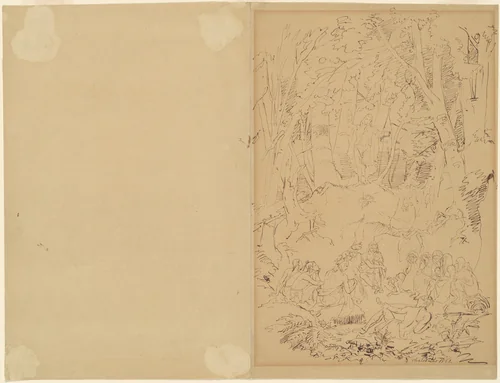
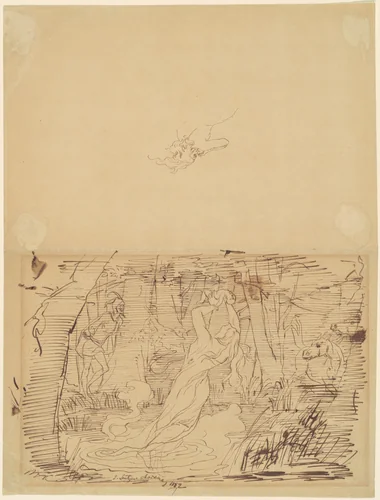
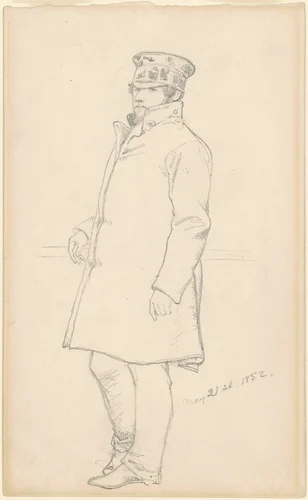
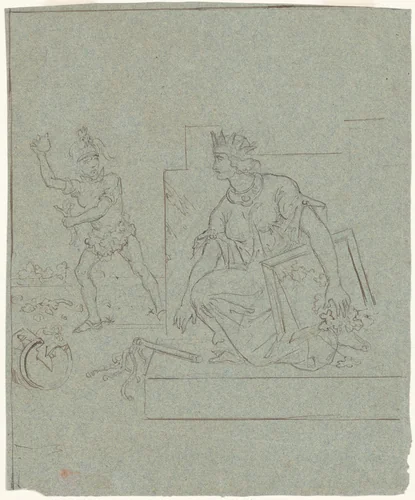
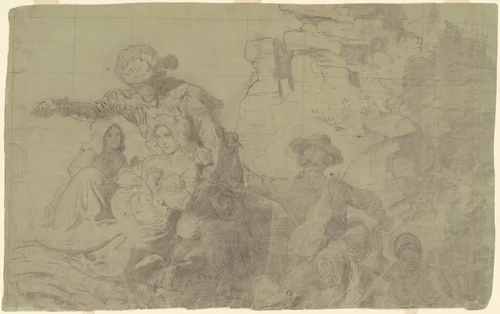
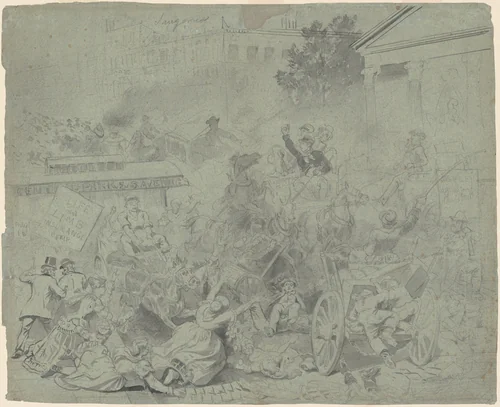
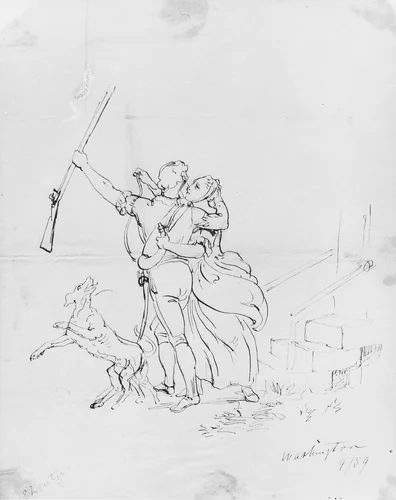
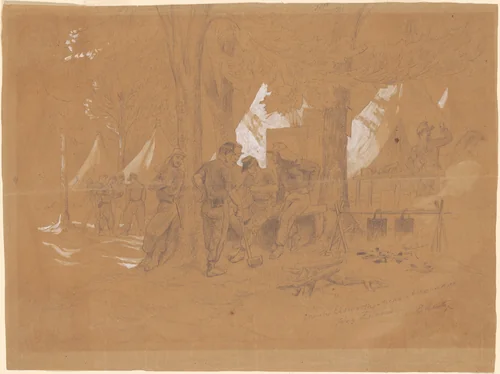
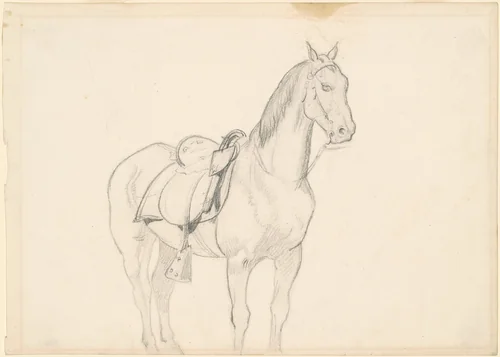
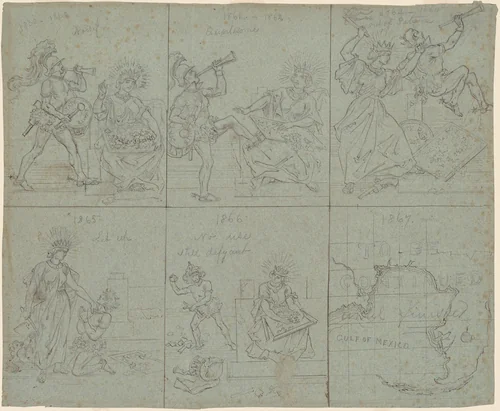
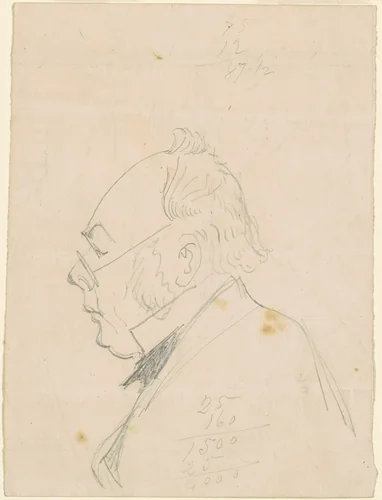
While Leutze is primarily known for his sweeping, dramatic oil canvases meant for public display, the foundation of his narrative power lay in exhaustive preparatory studies. His early active period, defined by the database entries spanning 1816 to 1845, was characterized by intensive drawing practice. The Metropolitan Museum of Art and the National Gallery of Art hold examples of these foundational exercises, which range from intimate observations like Girl with Rabbit and narrative moments such as The Last Drop to studies for official commissions like the preliminary Sketch for a Life Saving Medal.
It is revealing to note the pragmatic and meticulous nature underpinning his epic ambitions. His working sketches sometimes included the swift cancellation of unsuccessful figures, demonstrating a relentless academic quest for the perfect composition, as seen in the composite page Sketches: Cows; Two Female Portraits, One Crossed Out. These small scale drawings, alongside grand Emanuel Leutze paintings, illustrate a fascinating tension: the creation of mythic, public drama rooted firmly in precise, clinical drawing.
Leutze’s commitment to history, filtered through a distinctly Romantic dramatic lens, ensured his status as a crucial figure in defining the visual record of the American past. His ability to render history tangible ensures that his works remain highly relevant objects of study. Fortunately for contemporary viewers, much of this foundational material is now in the public domain, allowing institutions to offer high-quality prints and readily available downloadable artwork. This access ensures that the dramatic vision of one of the 19th century’s defining history painters continues to resonate.
Source: Wikipedia · CC BY-SA 4.0