Elizabeth Murray
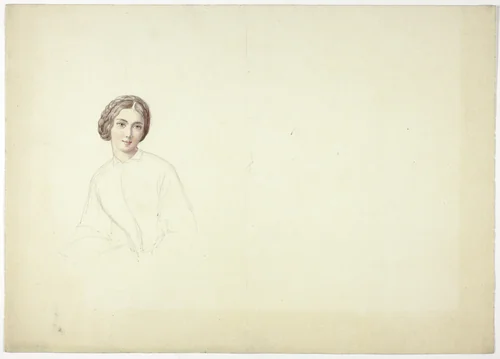
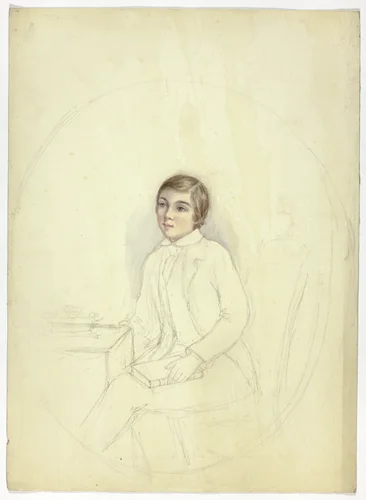
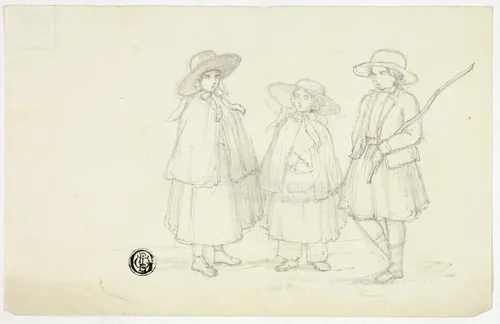
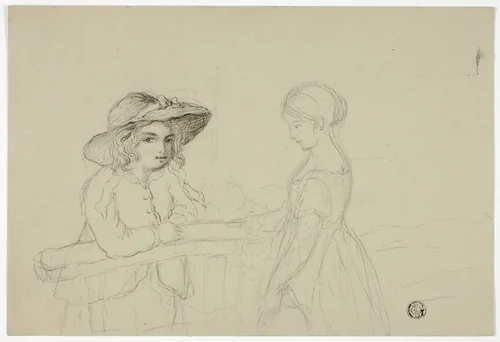
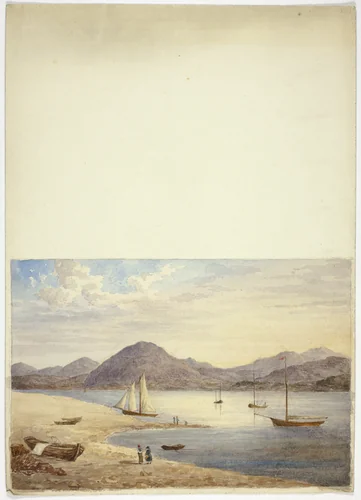
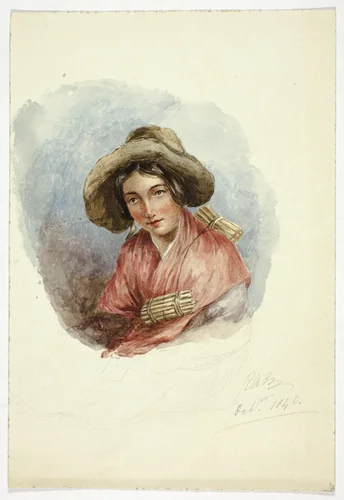
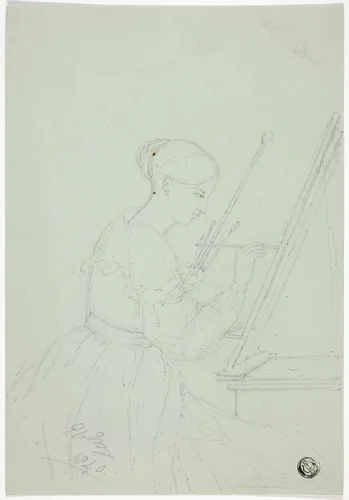
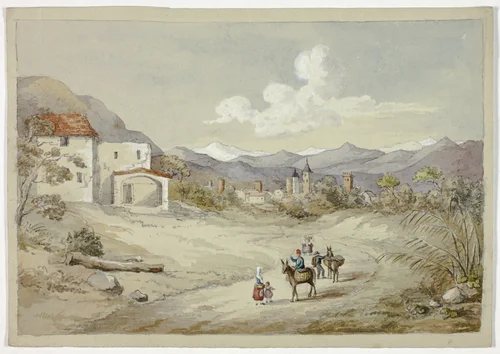
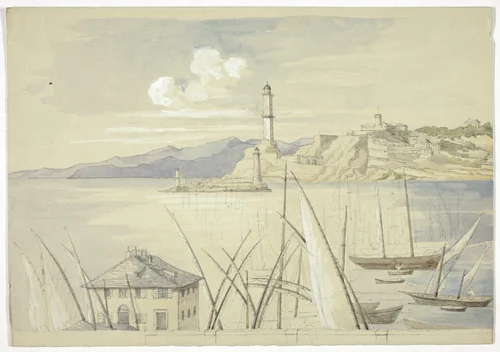
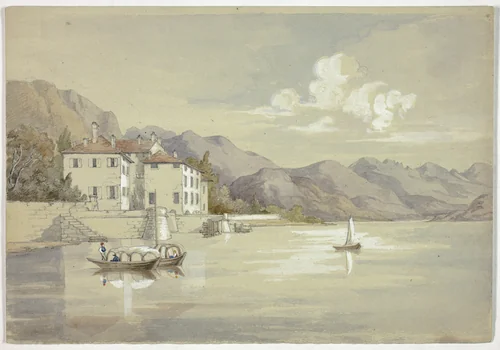
Elizabeth Murray (active 1825-1835) holds a specific, precise place in the history of early nineteenth-century genre and topographical painting. While the name Elizabeth Murray has been associated with numerous historical figures, including the celebrated 20th-century American abstractionist, this particular artist is recognized for a distinct body of work produced during a concise decade that bridged the high Romantic era and the rise of Victorian classicism. Her documented output consists of nine known paintings and six detailed drawings, providing a valuable record of both European architecture and rural life in the 1820s and 1830s.
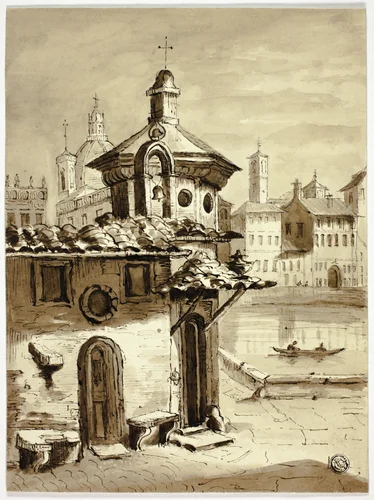
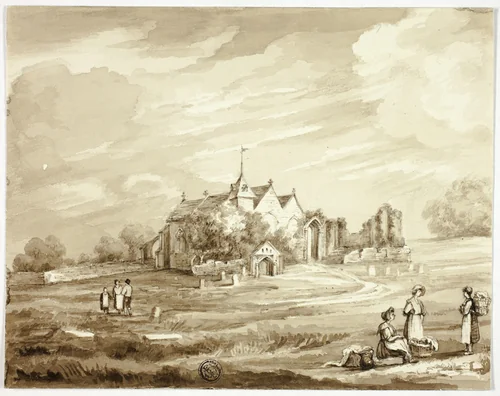
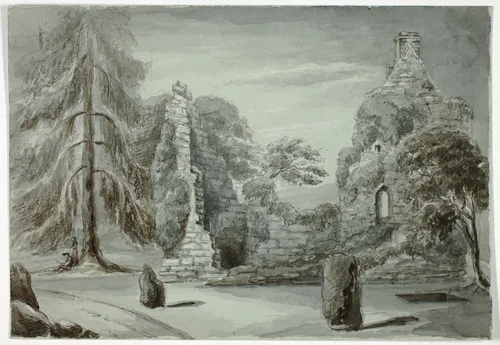
Murray’s thematic concerns often oscillate between intimate domesticity and monumental landscape. Her repertoire includes precise architectural studies, such as the evocative Woman and Child before Walled Town with Tower, a piece that demonstrates her skill in rendering three-dimensional depth and handling the subtle light of the northern climate. Conversely, works like Cows in Landscape show a commitment to pastoral realism and the emerging naturalism evident in British and Continental schools of the period.
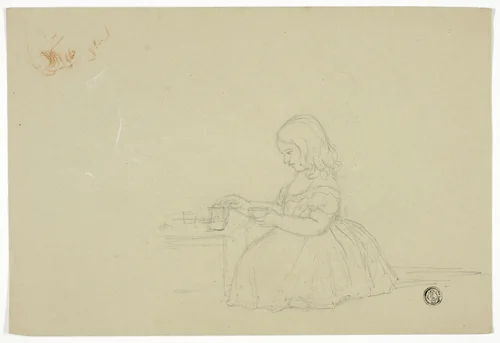
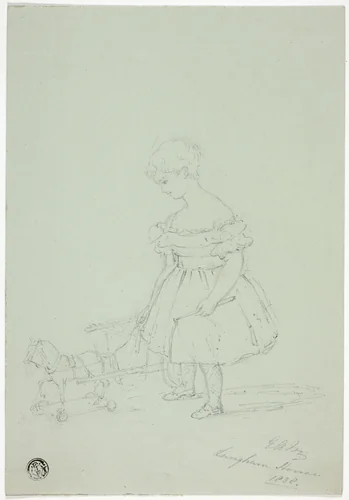
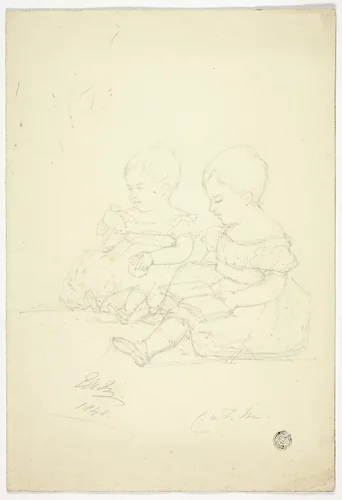
Her subjects reveal both her historical context and her personal practicalities. The drawing Scarborough (recto), and Sketch of House with Mother and Children (verso) offers a particularly charming insight into her studio practice, suggesting a practical economy of materials common among traveling or lesser-known professional artists of the time. The contrast between the detailed topographical view on one side and the swift, anecdotal sketch on the reverse underscores the breadth of her interests. Furthermore, the inclusion of allegorical subjects, such as Angel Seated by Tomb, reflects the era’s fascination with spiritual contemplation and monumental sentimentality.
Although her active career was comparatively brief, Murray’s paintings and drawings have been preserved in major institutions, including the Art Institute of Chicago, where they serve as museum-quality examples of early 19th-century observational art. As more of her work enters the public domain, the opportunity for detailed study increases, ensuring that these distinct Elizabeth Murray paintings and drawings remain accessible. The availability of high-quality prints allows a broader audience to appreciate her understated yet important contribution to the visual arts of the period.