Elisabeth Fulda
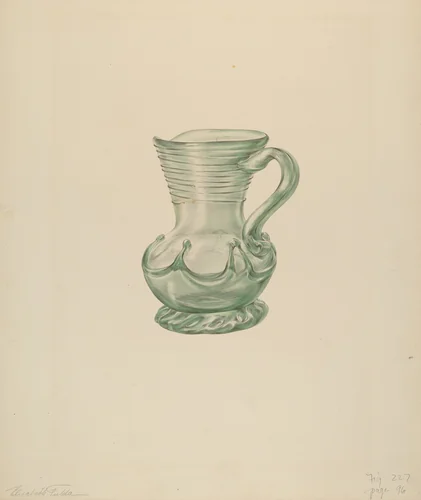
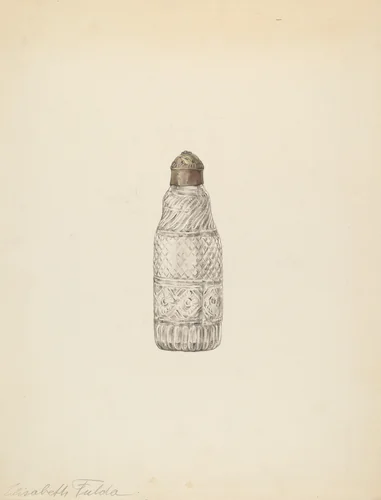
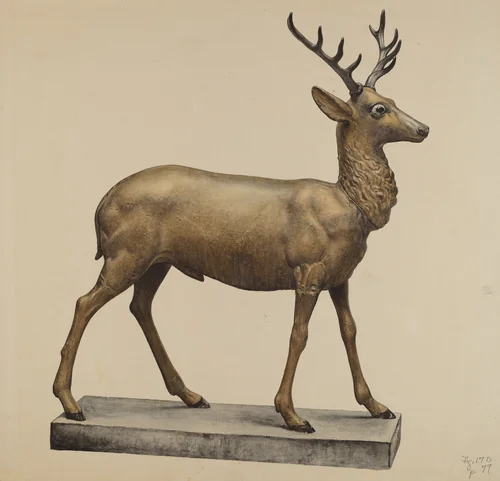
Elisabeth Fulda was an American artist active in the late 1930s, documenting American decorative and folk art. Her primary documented output spans the years 1935 through 1939, centered on highly detailed studies associated with the Index of American Design project. This extensive governmental effort was dedicated to cataloging historical American decorative arts and material culture.
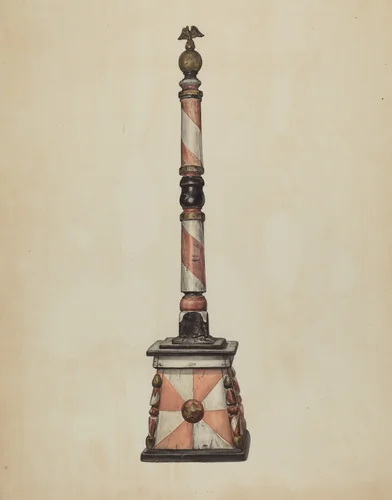
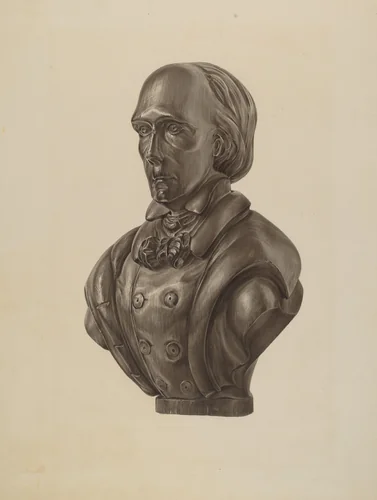
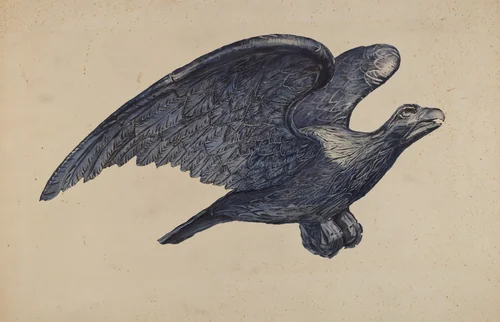
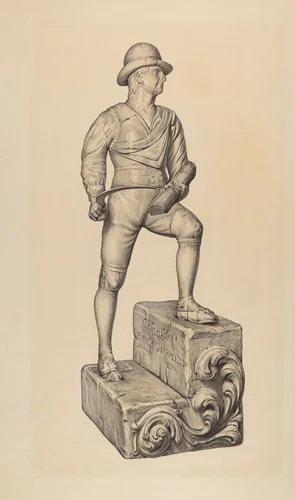
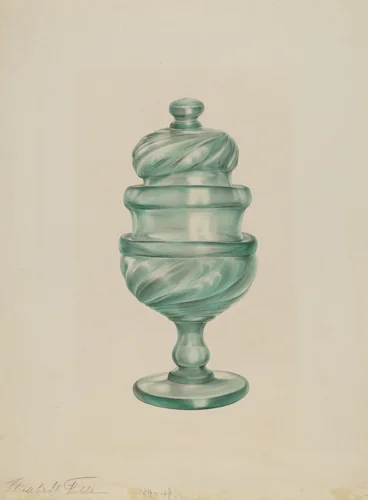
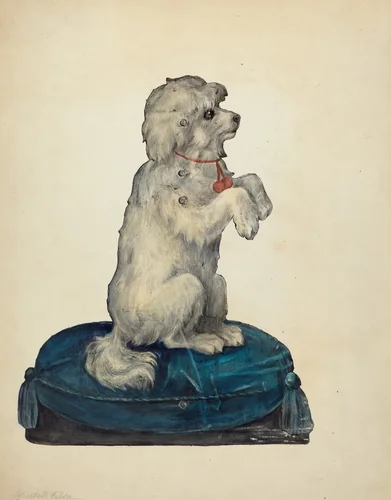
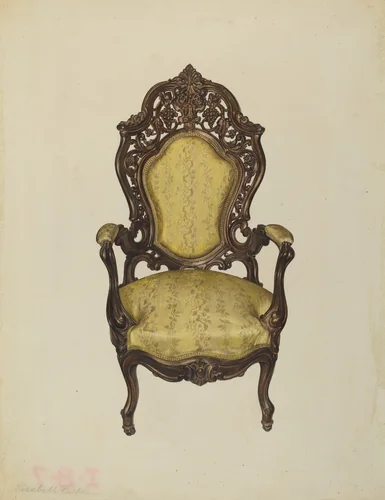
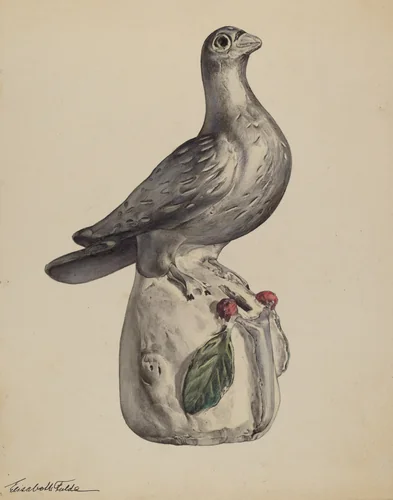
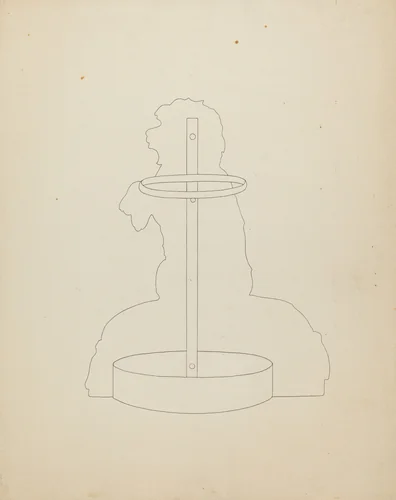
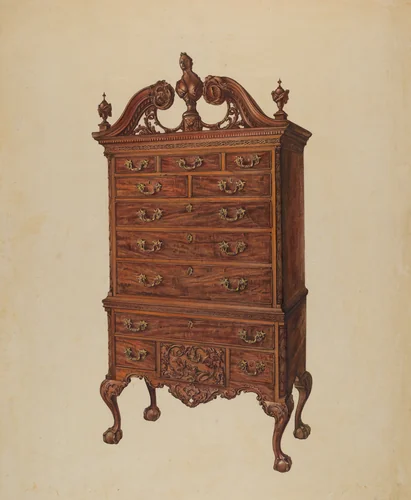
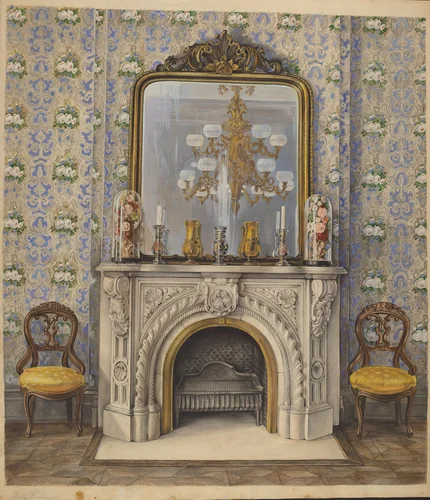
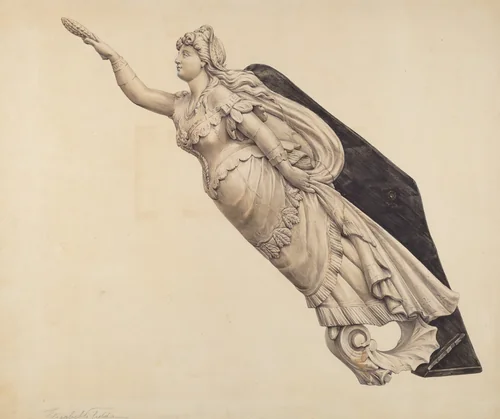
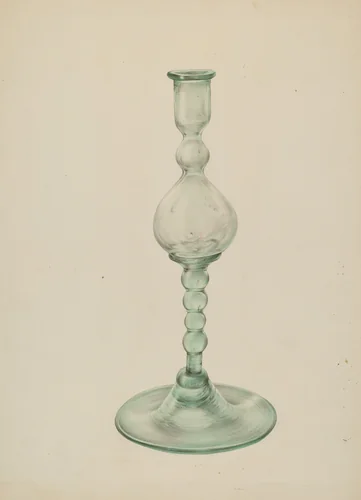
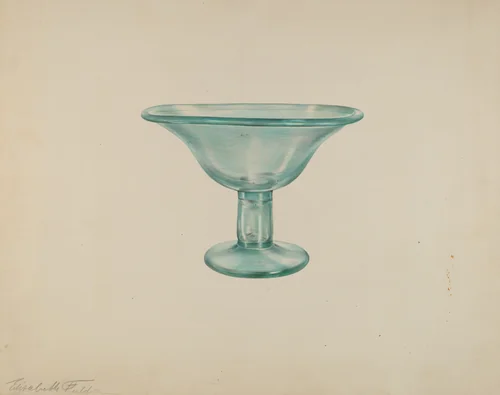
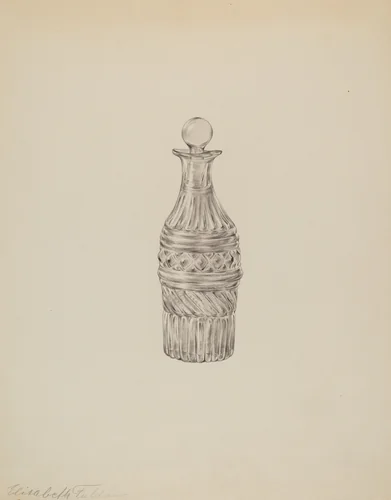
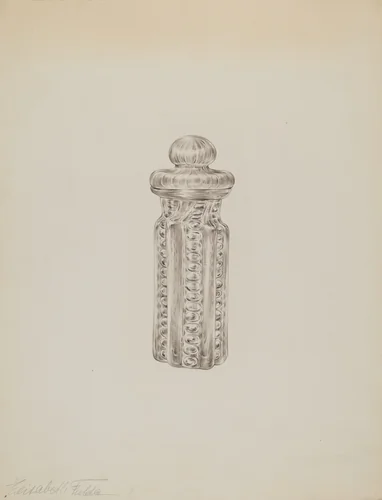
Fulda is represented in museum collections by 15 works documenting historical artifacts and architectural elements. These precise studies focus on documenting specific examples of craftsmanship and design rather than original expressive compositions. Notable works preserved in the database include documentation of functional and decorative objects such as the Barber Pole, the detailed carving of a Figurehead, and historical objects like the Sugar Bowl. Her output also includes figurative studies, such as the drawing of the Bust of Henry Clay and documentation of patriotic motifs, including the Eagle. These meticulously rendered works served to preserve records of American craft history.
Fifteen documented works by Fulda are held in the permanent collections of the National Gallery of Art. Due to their nature as historical government documentation, many of these images are now in the public domain, allowing for widespread accessibility. Scholars and enthusiasts frequently seek out these high-quality prints, utilizing the surviving examples as essential reference material regarding American folk art and design from the period, often available as downloadable artwork for educational and research purposes.