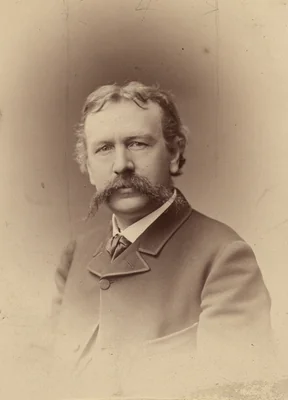
Elihu Vedder
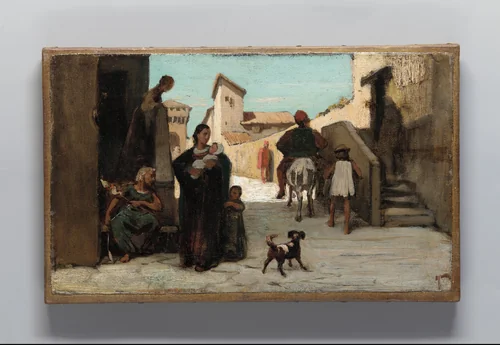
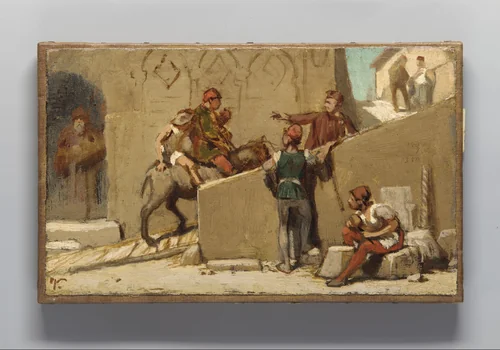
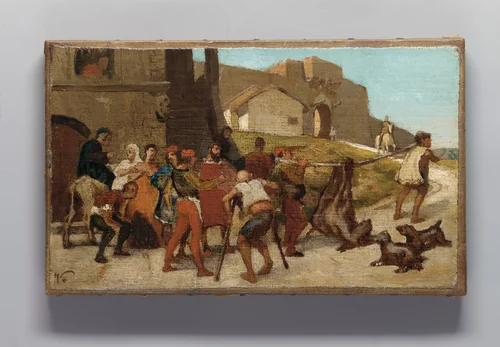
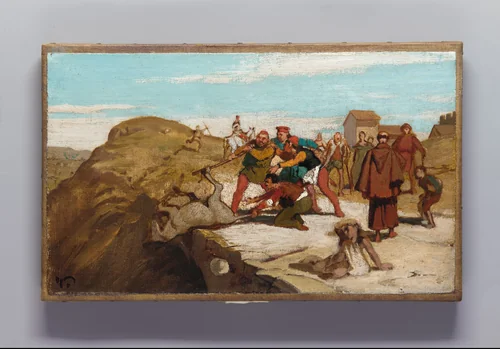
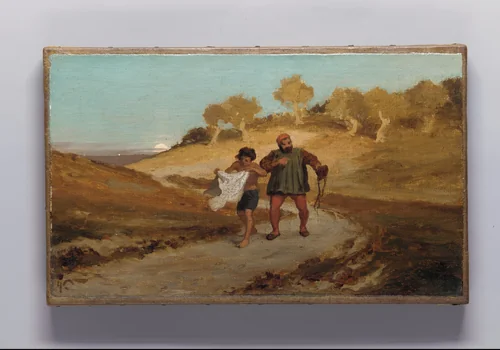
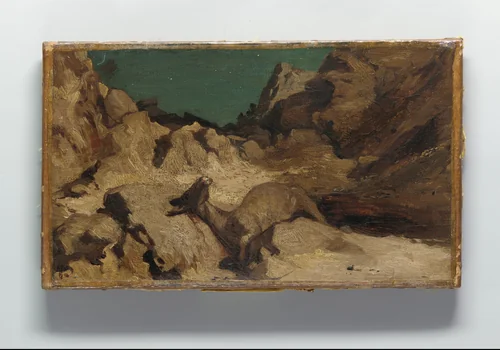
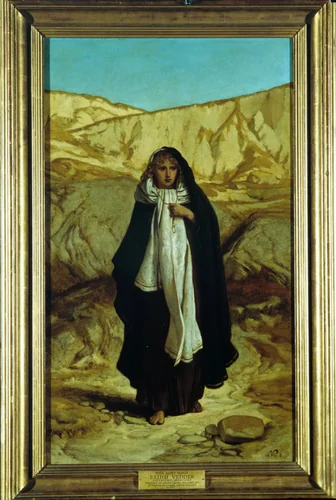
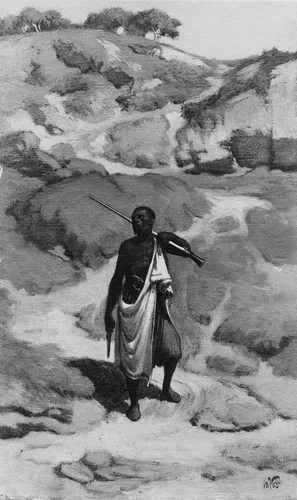
Elihu Vedder (1836-1923) was a foundational American Symbolist painter, book illustrator, and poet whose expansive career spanned from his early training in New York City and Paris to an eventual, long residence in Rome. While his early output included notable genre and landscape pieces, his lasting historical significance rests squarely upon his powerful graphic works. He is universally recognized for the fifty-five visionary illustrations he created for Edward FitzGerald’s seminal 1884 translation of The Rubaiyat of Omar Khayyam. These designs rapidly transformed the field of book illustration, establishing Vedder as a critical figure who connected the high Romantic tradition with the psychologically nuanced art of the fin-de-siècle.
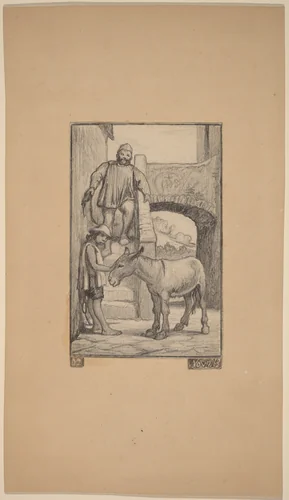
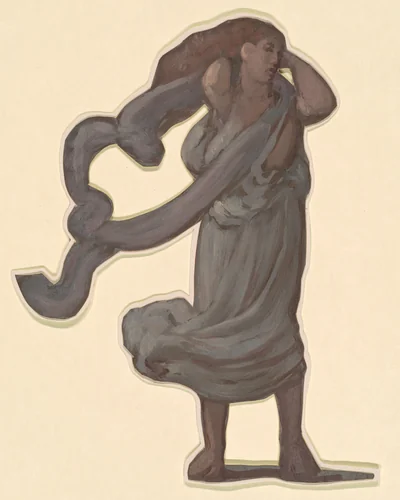
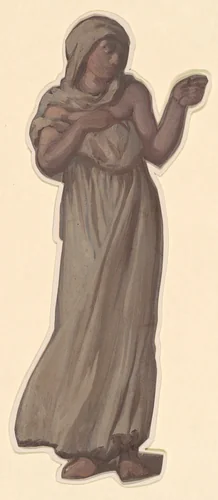
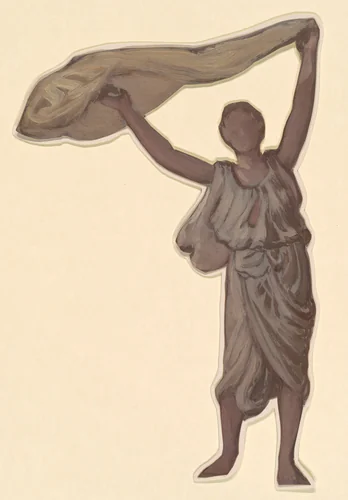
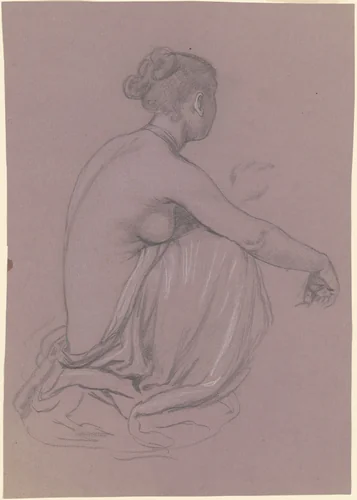
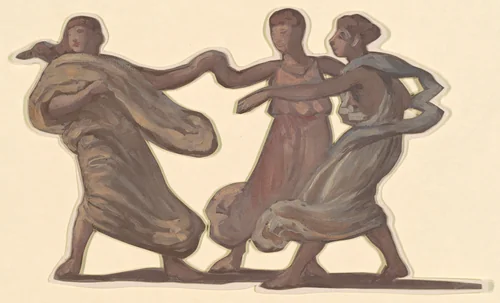
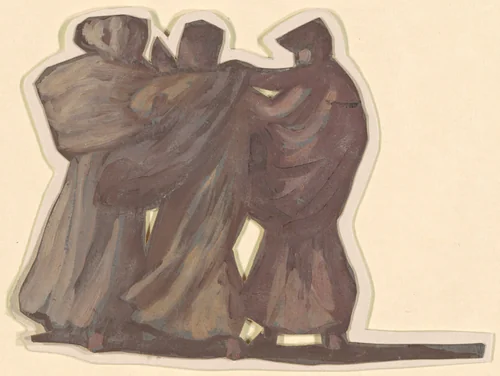
Vedder’s drawings, such as the evocative Dionysian Revelers and the deeply spiritual Into the Universe, showcase a unique fusion of classical draughtsmanship and mystical narrative. His figures often appear caught in moments of existential tension, conveying complex philosophical or poetic narratives rather than simple visual documentation. His compositions were deliberately theatrical and emotionally charged, exploring abstract themes rooted in mortality, cosmic insignificance, and the fleeting nature of pleasure. This intensely imaginative approach cemented his role as a bridge between the American Renaissance movement and the developing currents of European Symbolism.
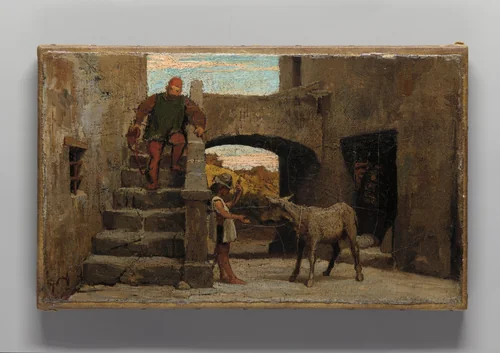
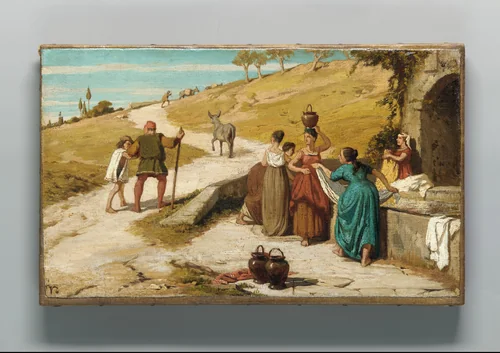
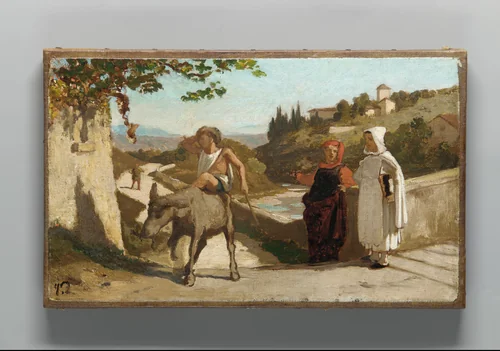
While the linear drama of his illustrations defines his legacy, Vedder was also a sophisticated oil painter, producing atmospheric landscapes like Bordighera (Landscape with Distant Church), and executing significant commissions in the decorative arts, including murals and mosaics. His versatility was matched only by his critical success and deep involvement in intellectual circles. Interestingly, despite his profound contributions to American visual culture, Vedder held a measured and somewhat playful detachment regarding the art world, once describing his own process as merely the translation of “my own ideas and feelings into form and color.”
His original drawings and paintings are preserved in major institutions, including the Metropolitan Museum of Art and the National Gallery of Art. Due to the historical availability of high-quality prints of his illustrative cycles, much of his graphic work is now situated firmly in the public domain, allowing institutions worldwide to offer downloadable artwork and museum-quality reproductions for both scholarly research and appreciation.
Source: Wikipedia · CC BY-SA 4.0