El Lissitzky
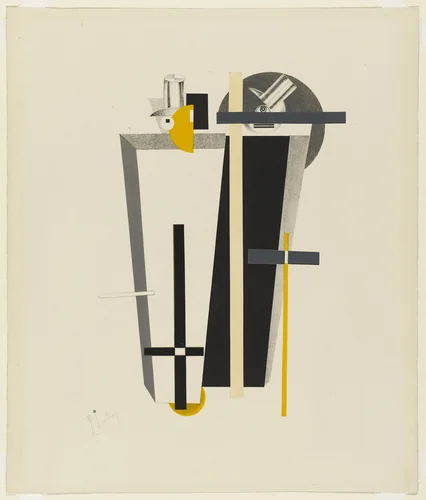
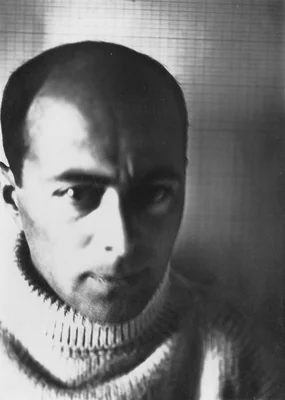
El Lissitzky (Lazar Markovich Lissitzky, 1890-1941) stands as one of the most vital polymaths of the Russian and Soviet avant-garde. Active primarily between 1916 and 1920, he seamlessly bridged the worlds of fine art and functional design, operating across media as a painter, illustrator, designer, printmaker, photographer, and pioneering architect. His career was defined by the revolutionary pursuit of geometric abstraction, positioning him as a crucial figure in the development of 20th-century visual communication.
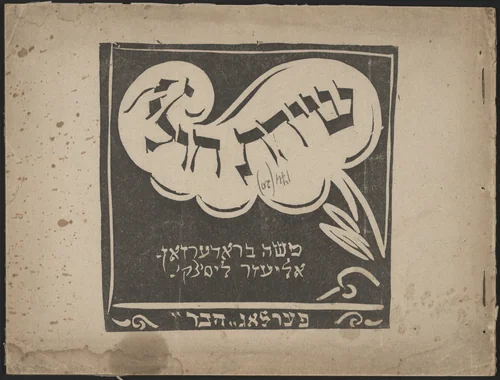
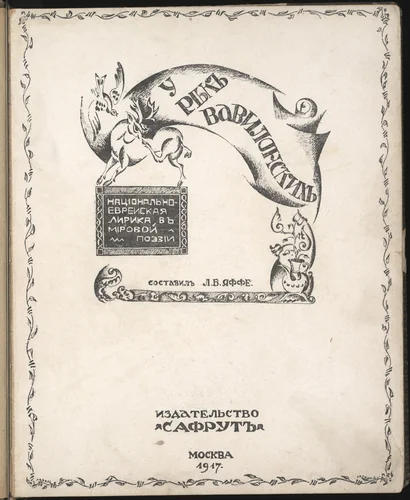
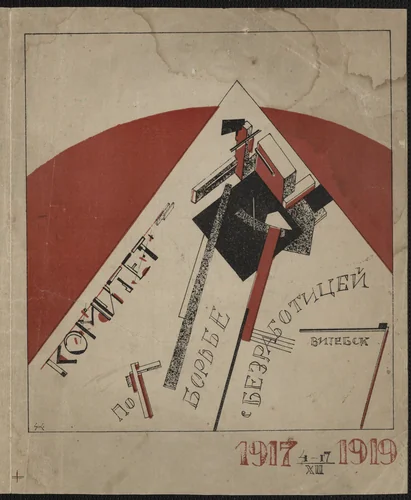
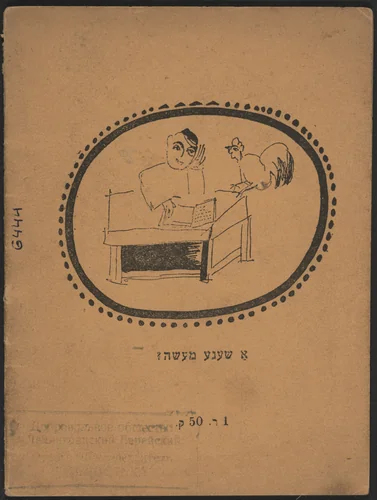
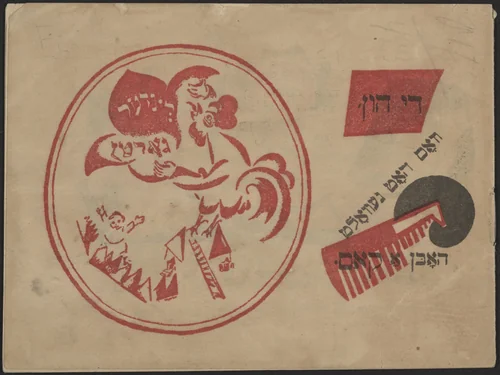
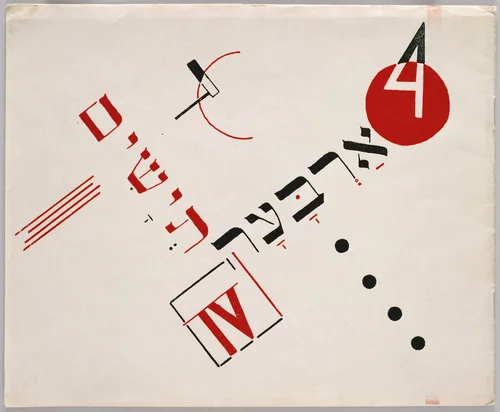
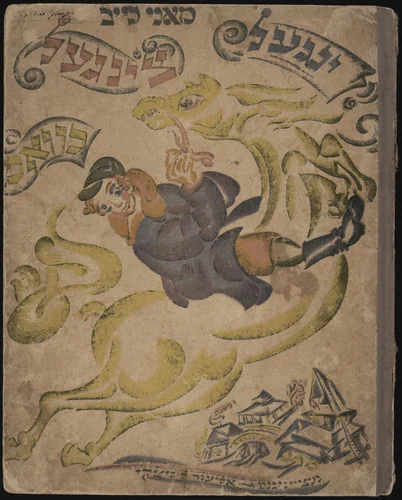
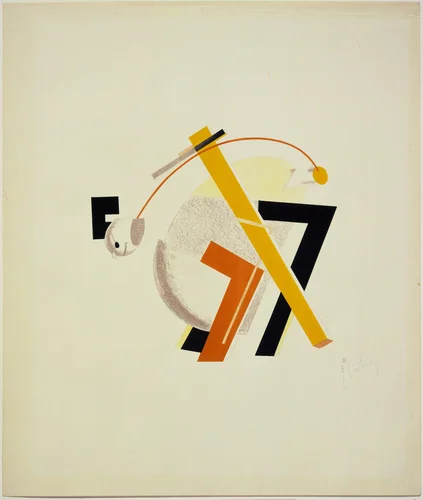
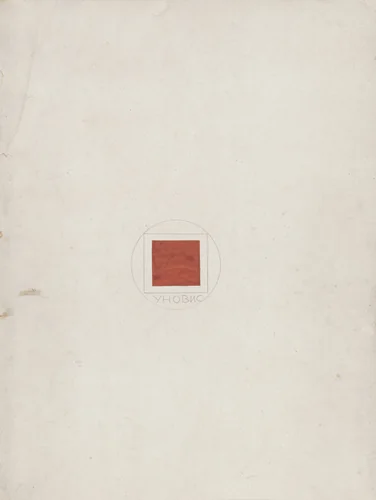
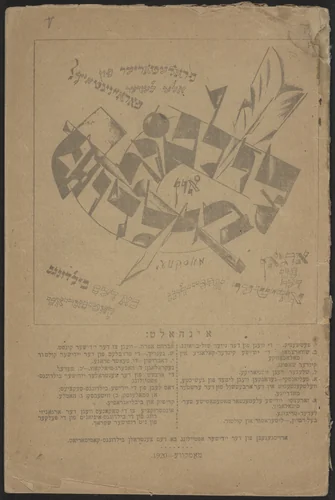
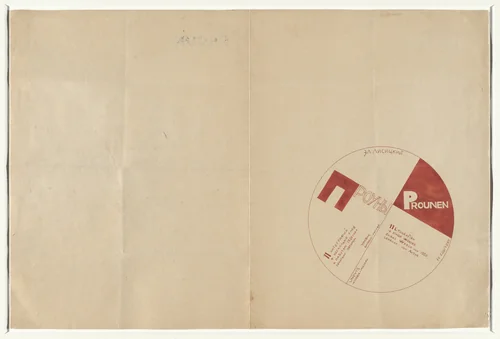
Lissitzky’s early years were rooted in a deep engagement with Jewish visual culture, evidenced by his striking illustrations for publications like Chad Gadya (The Tale of the Goat) and literary journals such as Sikhes kholin. However, his most profound artistic shift came through his collaboration with mentor Kazimir Malevich. As a devoted protégé, Lissitzky helped consolidate and disseminate Suprematism, the non-objective art movement focused on basic geometric forms floating in infinite space. He did not merely follow; Lissitzky famously translated Malevich's theoretical concepts into architectural models and practical objects, earning the observation that he was the movement's chief engineer, ensuring abstraction could leave the canvas and enter the physical environment.
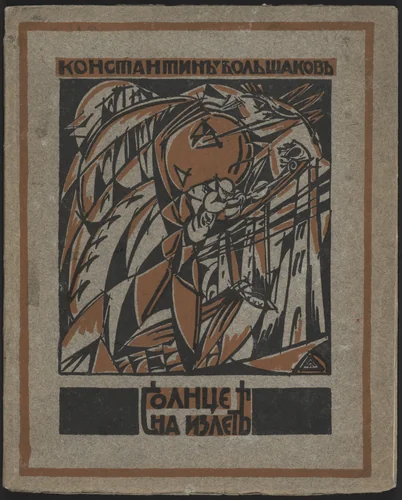
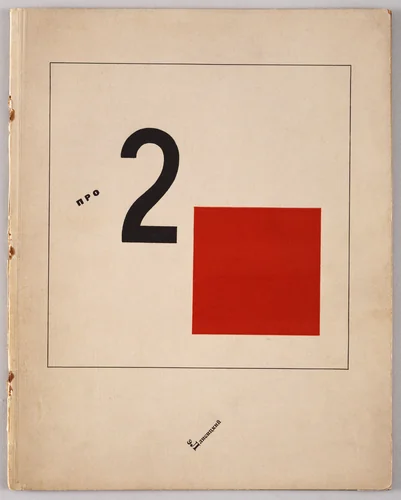
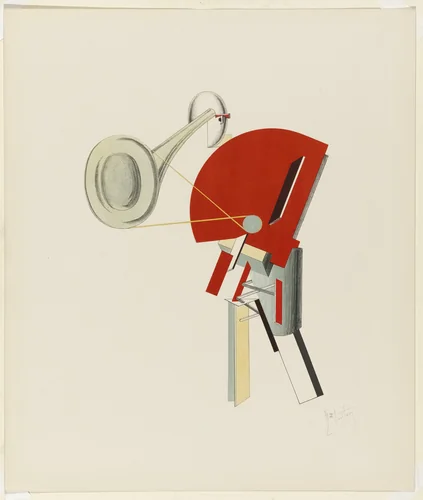
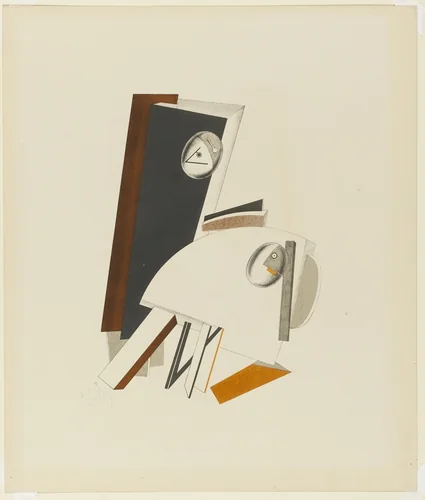
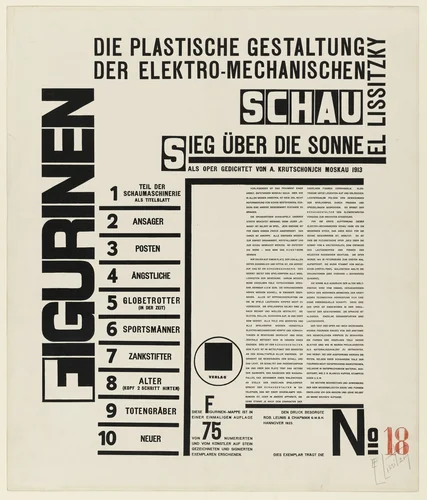
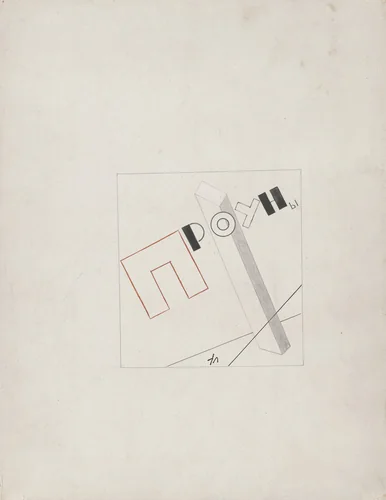
This commitment to utility propelled him into the sphere of Soviet exhibition design and propaganda, where he employed photomontage and dynamic typographic layouts to transform the viewing experience. His influential book designs, including Solntse na izlete (The Spent Sun, 1913-1916), established new standards for the relationship between text and image, solidifying his role as a foundational modern typographer. The resulting El Lissitzky prints, often powerful examples of early abstraction, are regarded as museum-quality works and are held in prestigious international institutions, including the Museum of Modern Art and the National Gallery of Art.
Though his period of intense activity was concise, Lissitzky’s innovative methodology profoundly influenced the Bauhaus and De Stijl movements in Western Europe. Today, many of his key graphic designs and early book illustrations are considered part of the public domain. This accessibility allows researchers and collectors alike to acquire high-quality prints and downloadable artwork of his pivotal, groundbreaking designs.
Source: Wikipedia · CC BY-SA 4.0