Egyptian
The comprehensive artistic production labeled "Egyptian" encompasses the foundational material culture of the Nile Valley, spanning a crucial chronological period from the Predynastic era (c. 3500 BCE) through the end of the First Intermediate Period (c. 2055 BCE). This epoch was pivotal, establishing the rigorous aesthetic canons, material mastery, and symbolic lexicon that would characterize Egyptian visual civilization for the next three millennia.
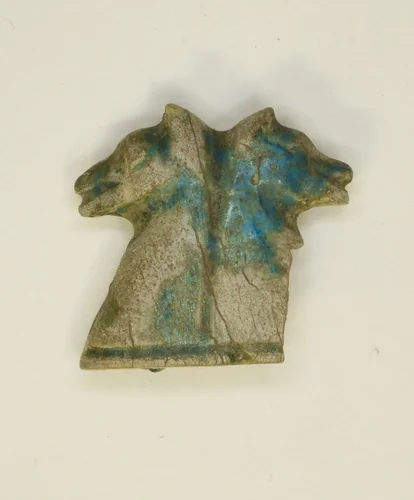
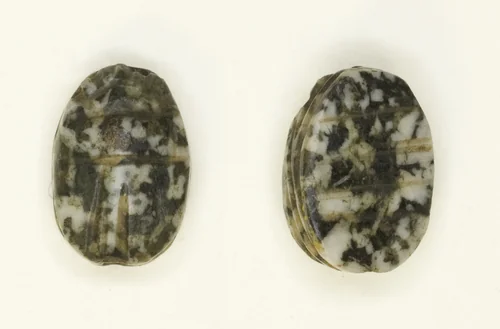
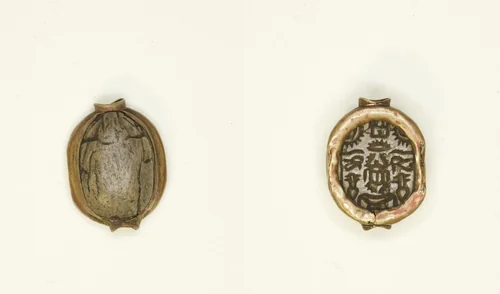
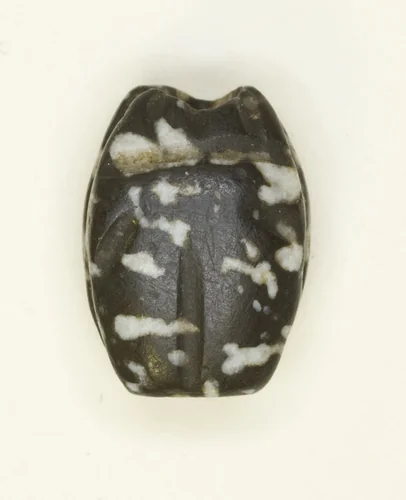
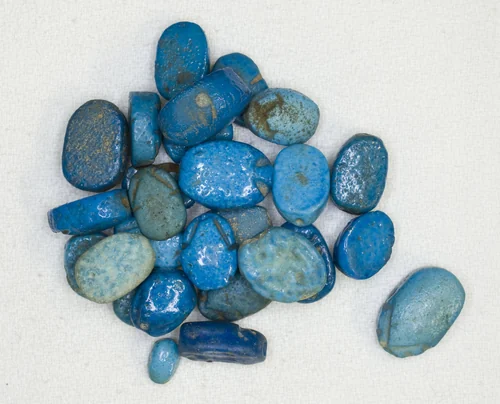
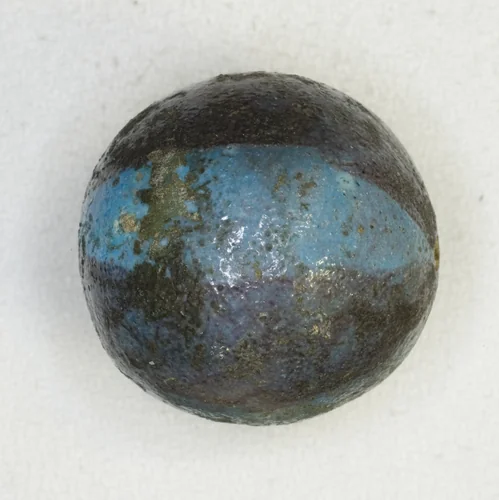
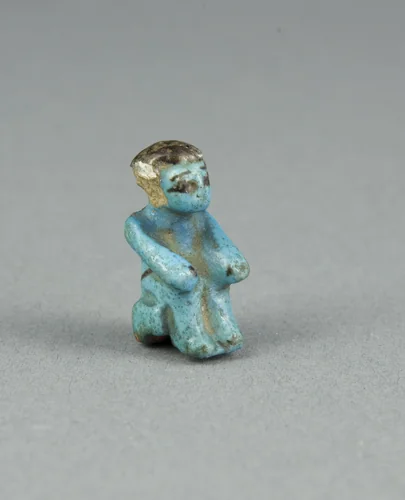
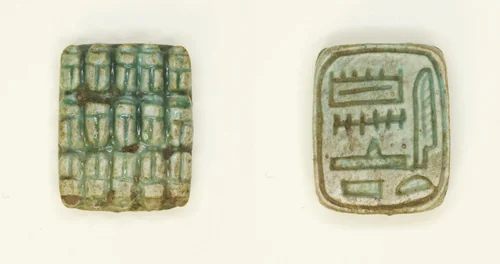
While the monumental stone structures of the Old Kingdom often dominate historical review, the surviving small-scale works provide intimate evidence of early technological and theological sophistication. The corpus demonstrates extraordinary expertise in metallurgy and working difficult materials, a characteristic evidenced by the numerous early metalworks and faience objects cataloged within major institutional collections, such as the Art Institute of Chicago.
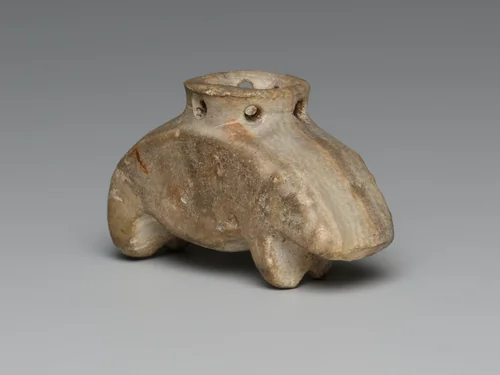
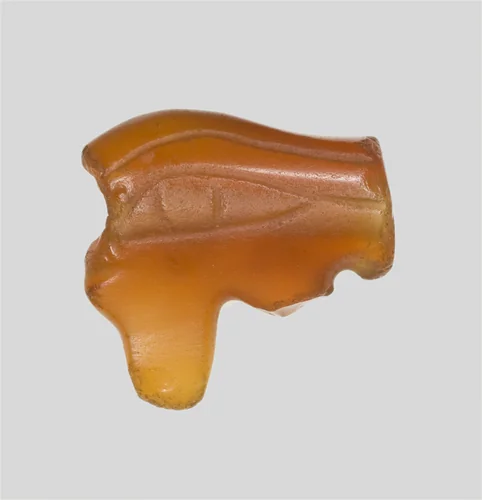
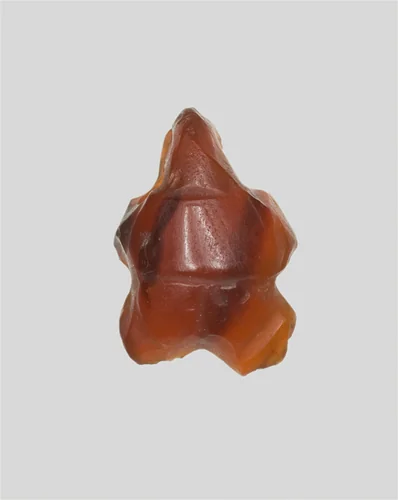
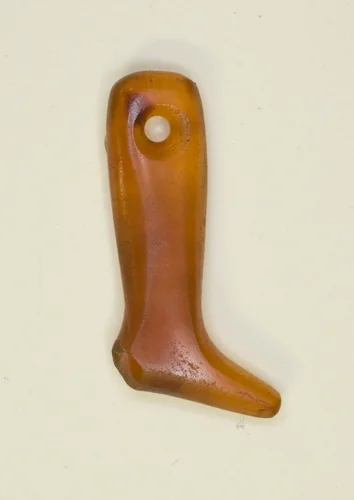
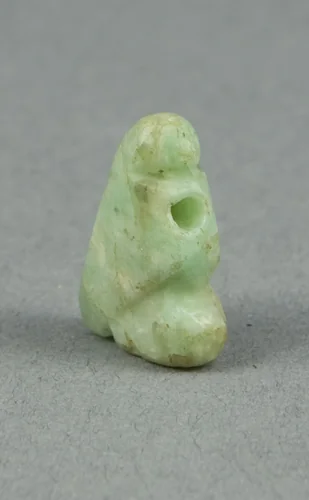
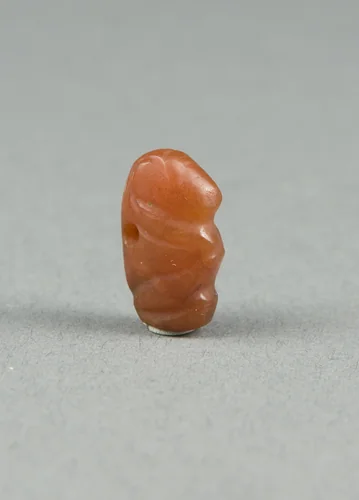
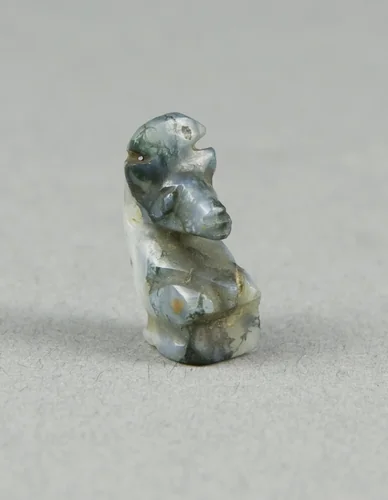
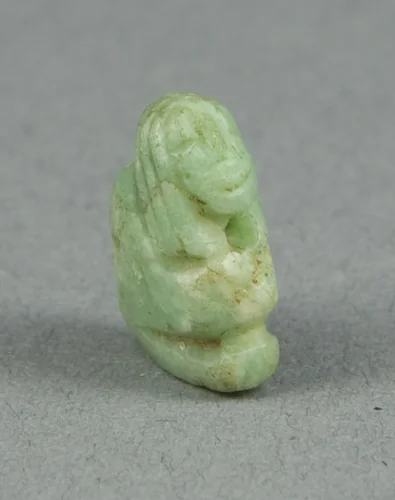
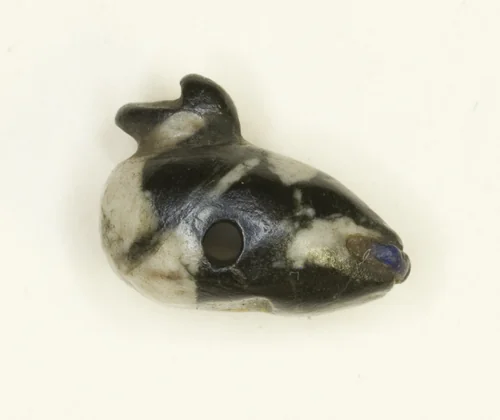
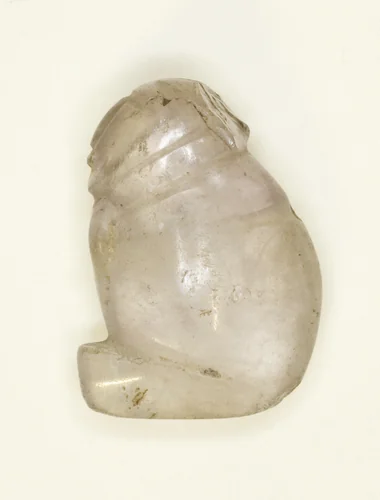
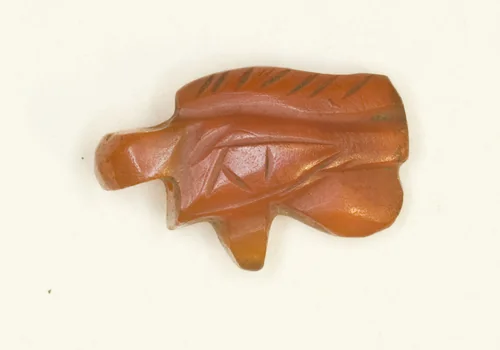
The majority of these early objects served apotropaic or spiritual functions, acting as permanent magical proxies for their wearers and ensuring successful transition into the afterlife. This spiritual continuity demanded absolute precision and standardized iconography. The consistency is reflected in the repeated creation of essential protective devices, including the Amulet of a Leg and Foot and the universally recognized Eye of Horus (Wedjat) Amulet. Likewise, zoomorphic protective figures, such as the Amulet of a Hippopotamus, highlight the early emphasis placed on controlling the natural world through finely detailed representation. It is perhaps the highest compliment to their craftsmanship that the iconic visual grammar established during these formative centuries remains instantly recognizable across cultures today.
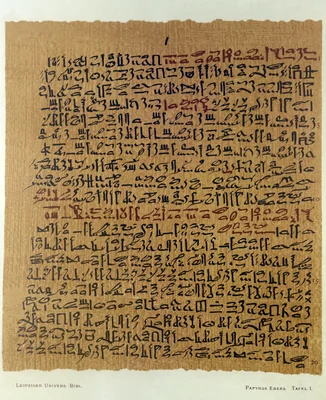
The systematic recording and preservation of this material ensures that these essential artistic achievements are accessible for modern scholarship. Though the original Egyptian paintings and tomb reliefs are often fragile, the widespread dissemination of visual records has ensured their continued study. Today, much of this foundational material is considered within the public domain, allowing institutions and researchers to offer detailed, high-quality prints and downloadable artwork, maintaining the global appreciation for this foundational artistic tradition.
Source: Wikipedia · CC BY-SA 4.0