Egypt
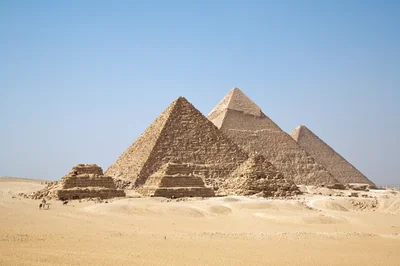
Egypt, the foundational civilization centered in the northeast corner of Africa and extending into the Sinai Peninsula, fostered one of the most enduring and recognizable artistic legacies in world history. While the modern nation is defined by major metropolitan centers like Cairo, its capital and cultural heart, and Alexandria, an enduring hub of industry and history, the artistic achievements cataloged here represent the output of the late dynastic period, specifically the Ptolemaic Dynasty, active from 332 to 30 BCE. This era marked a profound transition, as indigenous artistic traditions encountered and integrated with Hellenistic realism following Alexander the Great's conquest.
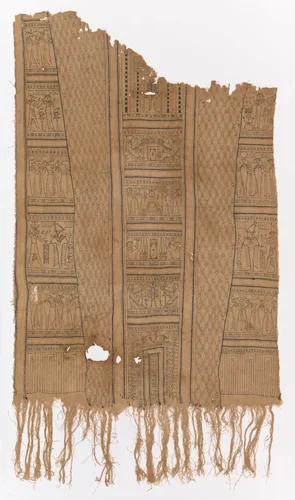
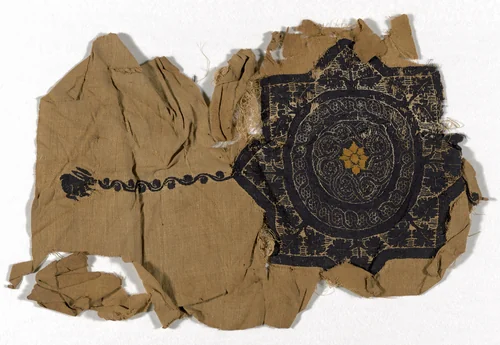
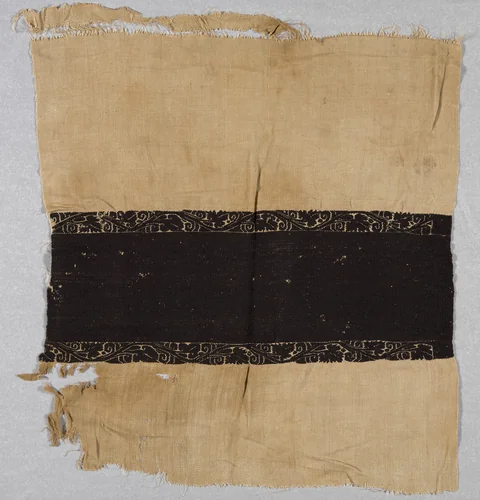
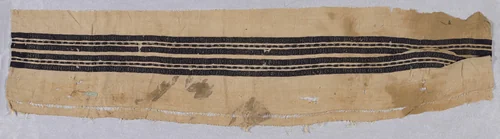
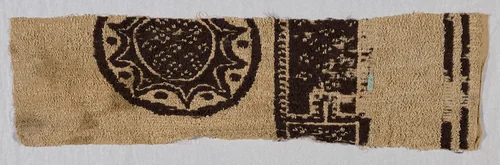
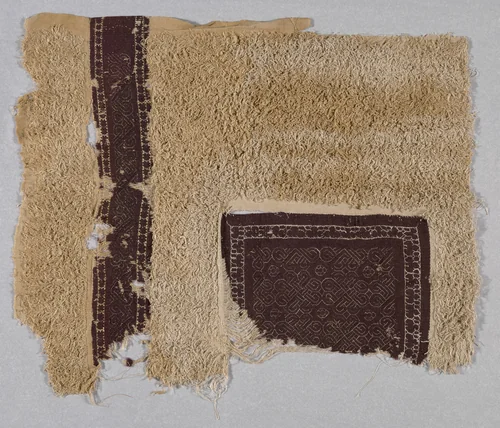
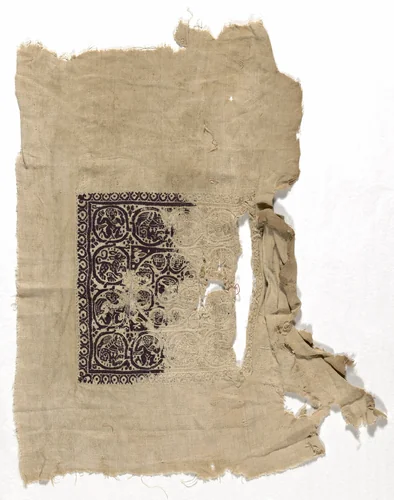
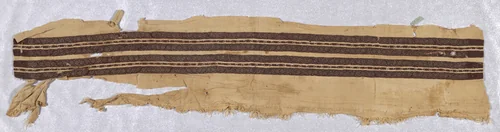
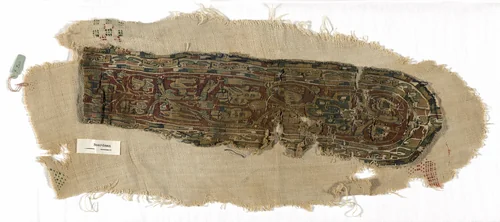
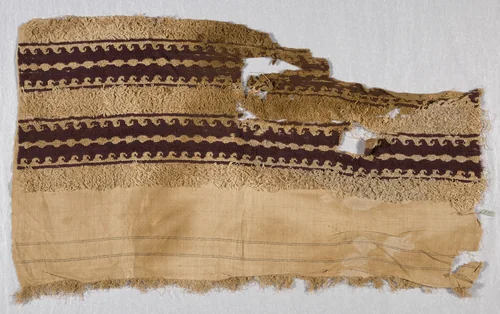
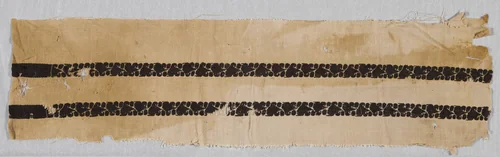
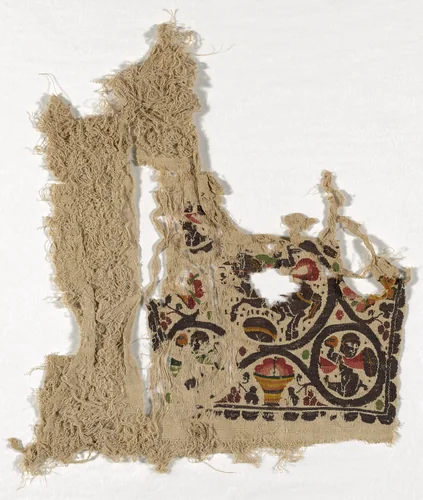
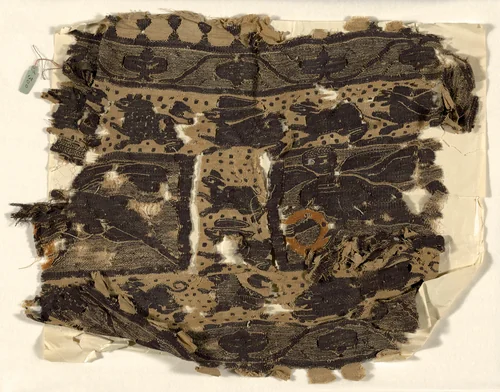
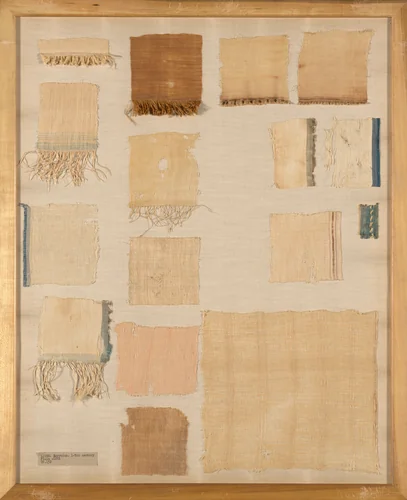
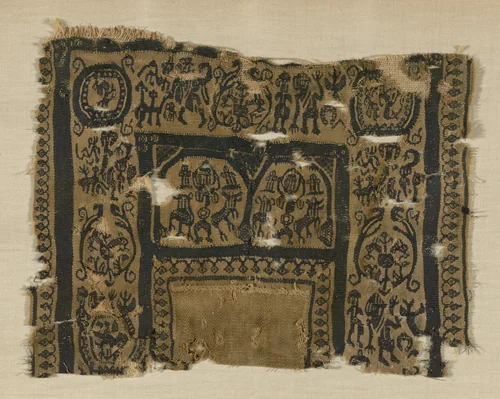
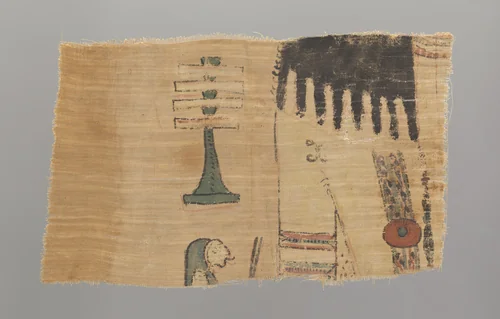
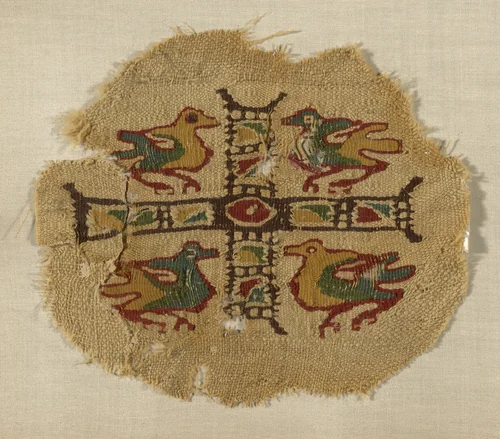
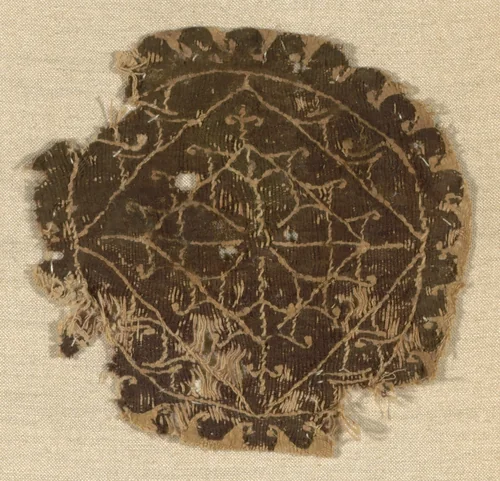
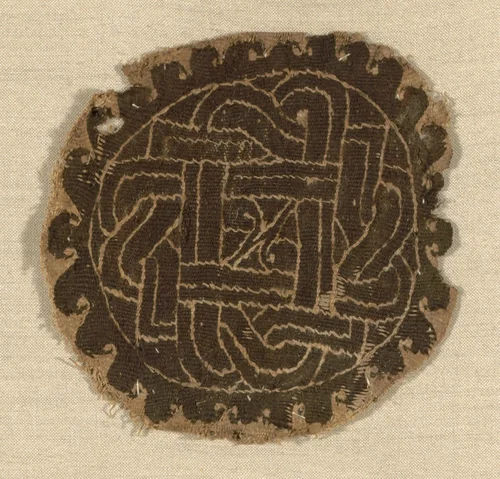
The primary artistic focus during the Ptolemaic era shifted slightly from the monumental stone carvings of earlier epochs to highly refined production in smaller media, particularly textiles and funerary arts. The fifteen surviving textiles, fragments of shrouds and clothing intended for ritual or burial, provide crucial insight into material culture and technological skill. Examples such as the Funerary Shroud Fragment and several undocumented Fragment entries, now housed in major global institutions like the Art Institute of Chicago, showcase the meticulous detail of weaving and the evolution of iconography under foreign rule. These textiles, often featuring stylized depictions of deities or geometric borders, illustrate a continuous commitment to preserving Egyptian religious structures even while adopting Greek aesthetics of naturalism and portraiture.
The impact of this period’s innovation was substantial. The adoption of realistic painted mummy portraits, a signature style of Ptolemaic Egypt, would subsequently influence Roman provincial art for centuries. Despite waves of foreign domination and shifting cultural norms, one interesting constant remains: the Egyptian tradition demonstrates an unparalleled preference for stability in the iconography of their divine figures. Unlike the fluid mythologies of their Mediterranean neighbors, the core symbolic vocabulary of the gods and the funerary rites remained remarkably consistent for three millennia.
Today, the scholarship and appreciation for these artifacts are enhanced by digital accessibility. Many of the surviving documents, funerary objects, and Egypt prints are entering the public domain, ensuring that researchers and enthusiasts can access royalty-free downloadable artwork. The ability to study these high-quality prints allows for a fuller understanding of the subtle sophistication required to maintain visual identity across vast political and temporal spans.
Source: Wikipedia · CC BY-SA 4.0