Egidius Linnig
Egidius Linnig (1815-1891) stands as a pivotal figure in mid-19th century Belgian visual arts, redefining traditional marine subjects through the stark precision of realism. Active primarily between 1841 and 1859, Linnig was a prolific draughtsman and painter, yet his most significant contribution lies in printmaking; he is critically regarded as one of Belgium’s first genuinely innovative realist engravers.
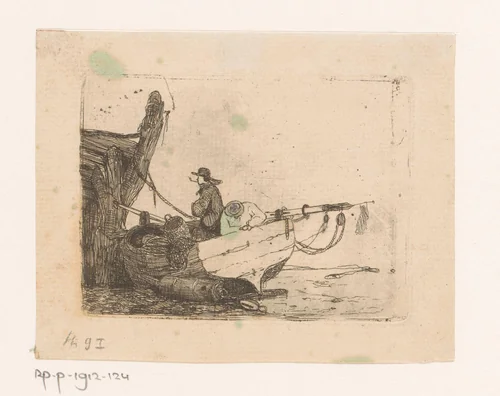
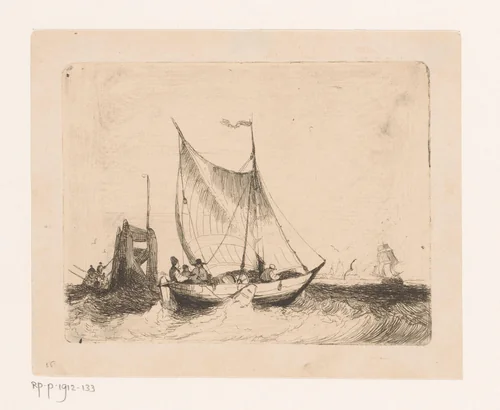
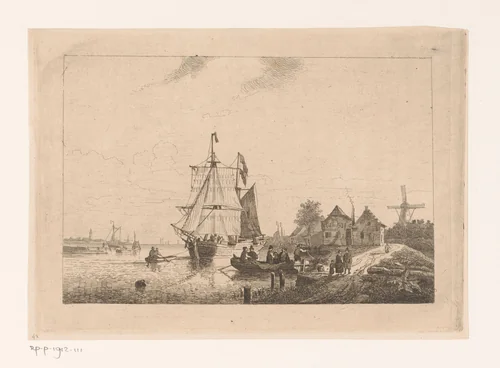
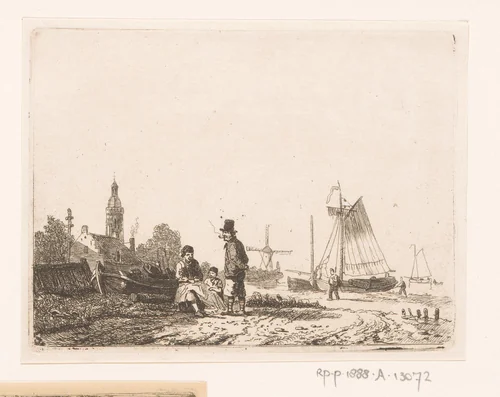
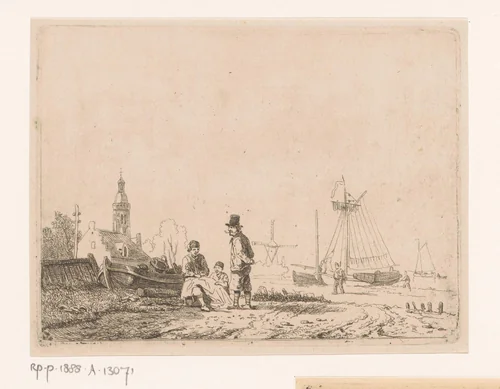
Linnig approached the challenging genre of seascapes not through Romantic idealization, but with an almost documentary eye focused on labor and environment. His etchings and drawings captured the specificities of maritime life along the North Sea coast, emphasizing the functional realities of shipping and fishing. Works such as Zeegezicht met zeilboot en baken (Seascape with sailboat and beacon) and Twee mannen in een sloep (Two men in a sloop) illustrate his commitment to rendering accurate nautical detail and the challenging conditions faced by those working the water. The collective output, encompassing a substantial body of highly detailed Egidius Linnig prints, provides a compelling visual record of the period’s working ports.
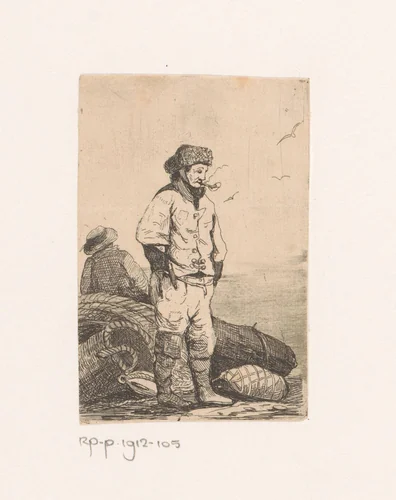
Beyond the open water, Linnig excelled in small-scale genre compositions, focusing on the vernacular lives of fishermen and their families. These works often carry the weight of quiet observation. Consider the finely observed scene, Visser met zijn zoon repareert een net onder toezicht van een pijprokende oude matroos (Fisherman with his son repairs a net under the supervision of a pipe-smoking old sailor). The specificity of this title, which practically narrates the entire composition, speaks volumes about the artist’s commitment to narrative detail and social hierarchy. It is perhaps the highest compliment to Linnig’s observational skill that his figure studies often feel like staged ethnographic reports rather than mere portraits.
Though his period of artistic innovation was relatively brief, Linnig’s precise and unembellished realism secured his legacy, ensuring the inclusion of his works in major institutional holdings such as the Rijksmuseum. These detailed images remain valuable resources for art historians and maritime enthusiasts alike. Fortunately for modern audiences, many of these works are now in the public domain, allowing institutions worldwide to offer high-quality prints derived from his original plates.
Source: Wikipedia · CC BY-SA 4.0