Edwin Forbes
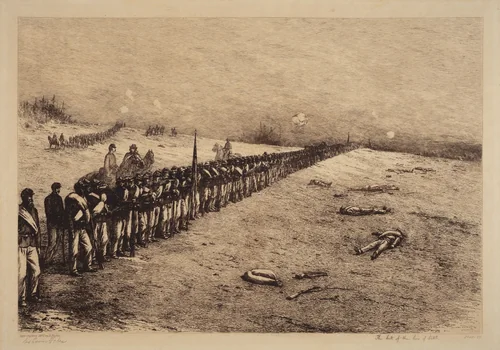
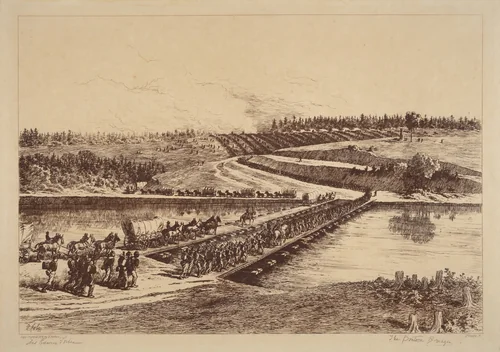
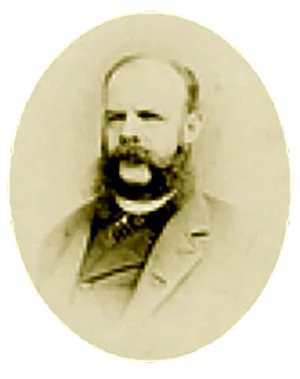
Edwin Forbes (1839-1895) established his reputation during the American Civil War as a singular figure in American visual reportage. Trained initially as a landscape painter and etcher, Forbes swiftly adapted his skills to the immediate demands of conflict, operating effectively as an artist-correspondent. Active between 1860 and 1876, his enduring significance lies in the detailed and dramatic sketches he produced directly in the field. Unlike artists who relied on secondhand accounts or retrospective memory, Forbes provided a firsthand, journalistic record of the Union Army’s movements and engagements. This commitment to observed truth helped transition the visual depiction of war away from romanticized historical painting and toward modern documentary realism.
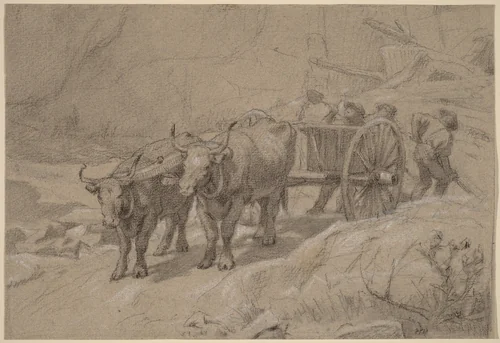
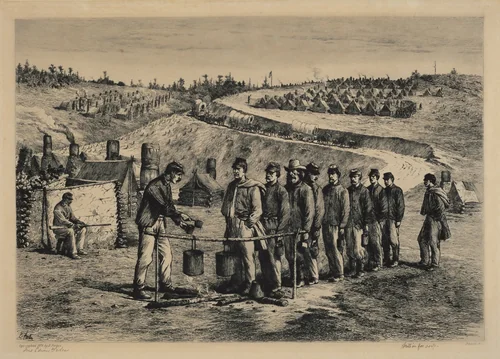
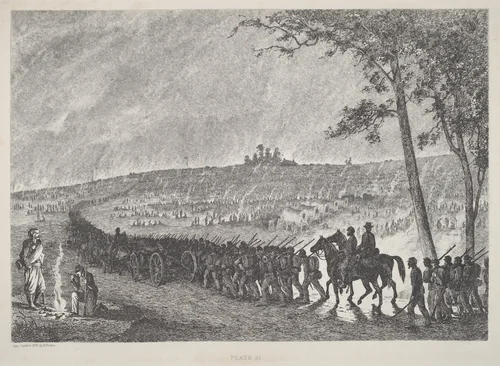
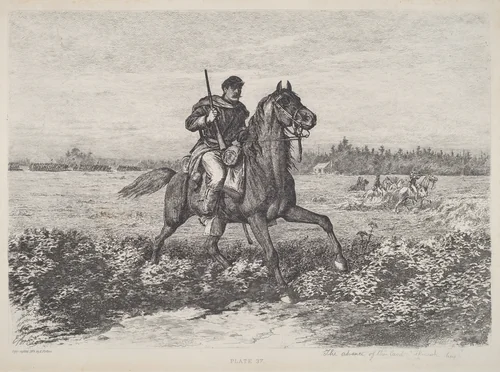
Forbes possessed a keen appreciation for the dualities of military existence: the spectacle of combat alongside the persistent daily grind. While known for compositions depicting battlefield subjects, such as The Advance of the Cavalry and the concise dynamism of The Halt of the Line of Battle, his most affecting images often capture the logistical friction of campaign life. These works, including Oxen and Dump Cart and the universally recognizable Fall in for Soup, demonstrate his sharp eye for the mundane realities that define soldiering. One might observe, based on the numerous depictions of exhausted men huddled around fires or slogging through mud, that his true subject was not glory, but logistics and fatigue. The nocturnal image of Going Into Camp at Night, for example, perfectly encapsulates the relentless demand for movement and rest.
The immediate observations Forbes captured in pencil were later transformed into a prolific body of etchings and prints, providing the American public with crucial visual documentation. His output, particularly the comprehensive series derived from his frontline experiences, achieved widespread circulation and historical importance. Today, major institutional collections, including the National Gallery of Art, preserve these vital historical documents. Because much of this work has successfully entered the public domain, scholars and enthusiasts benefit from the availability of high-quality prints, allowing them to examine these Edwin Forbes prints in intricate detail. This continuous accessibility confirms the lasting museum-quality relevance of his unique approach to art and historical documentation.
Source: Wikipedia · CC BY-SA 4.0