Edward Weston
Edward Henry Weston (1886-1958) stands as a foundational figure in the history of American image-making. Recognized universally as a master of 20th-century photography, his four-decade career was defined by technical rigor and a relentless drive toward modernist precision. His profound innovation lay in transforming the medium from a soft-focus, pictorial pursuit into a precise, formalized art that celebrated the inherent visual truth of objects and forms. This uncompromising vision established him as one of the most innovative and influential American photographers of his era.
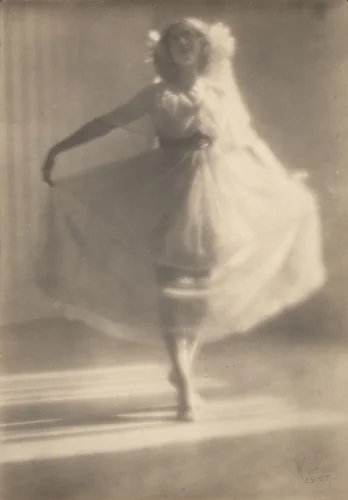
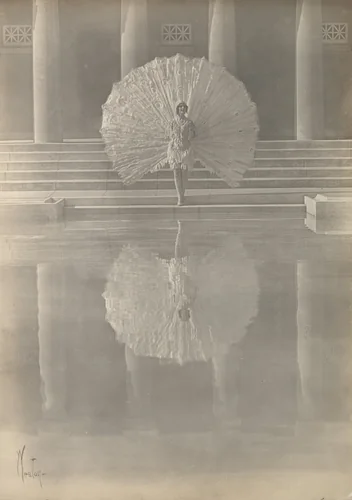
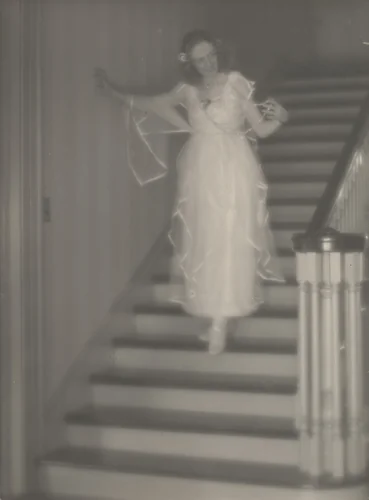
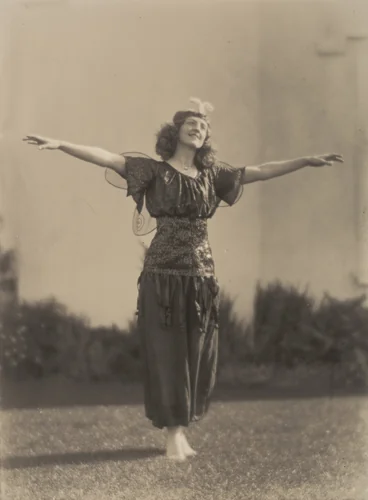
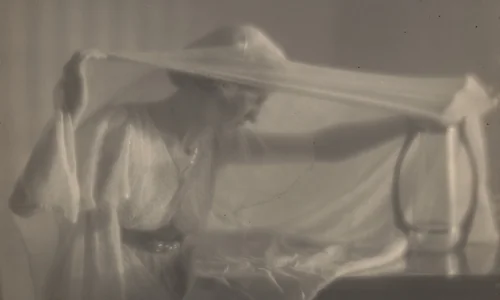
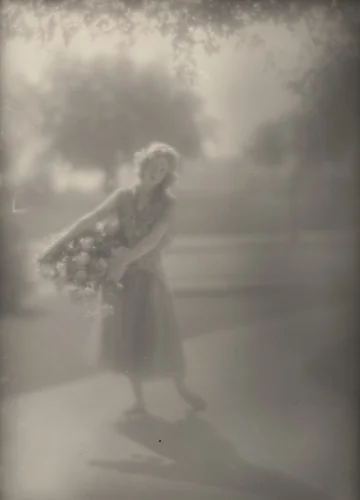
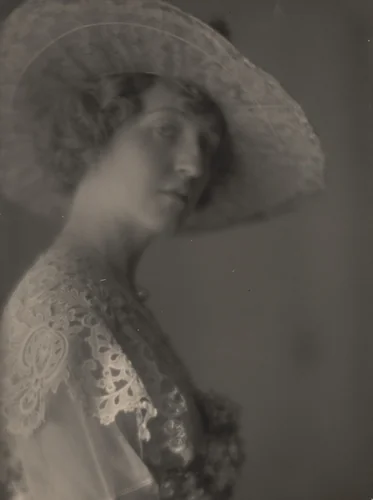
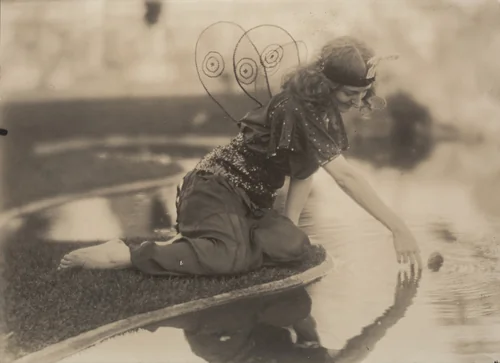
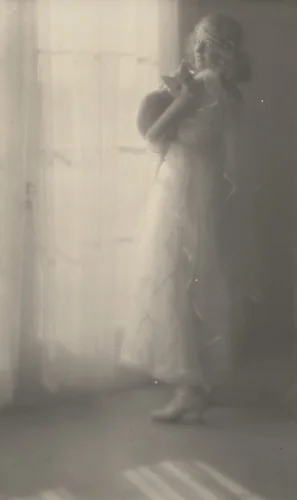
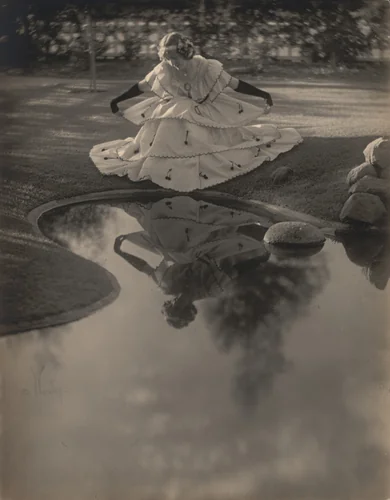
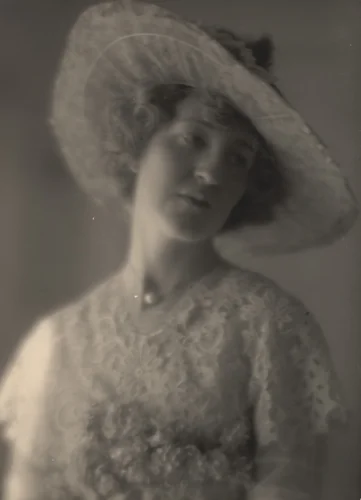
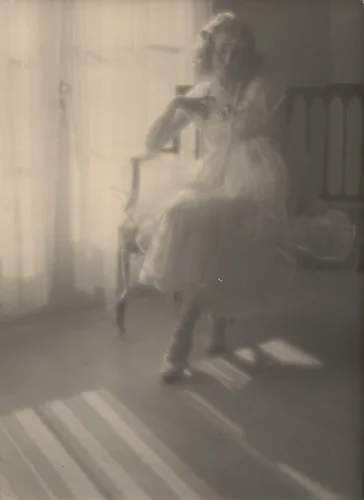
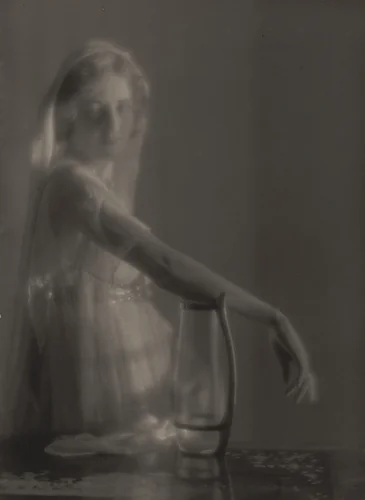
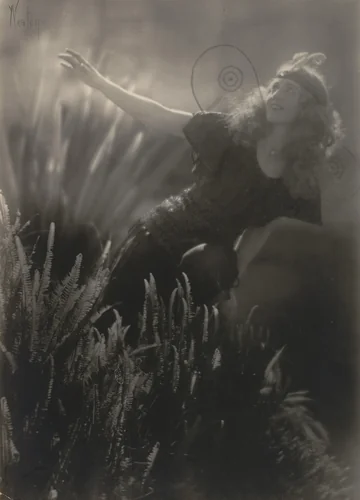
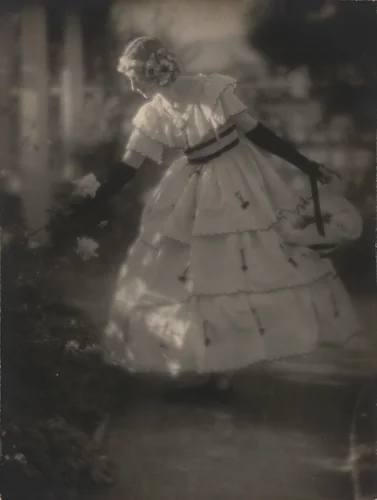
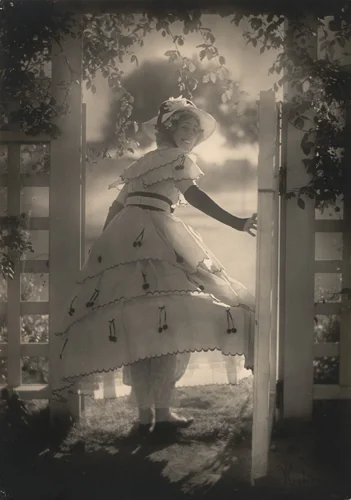
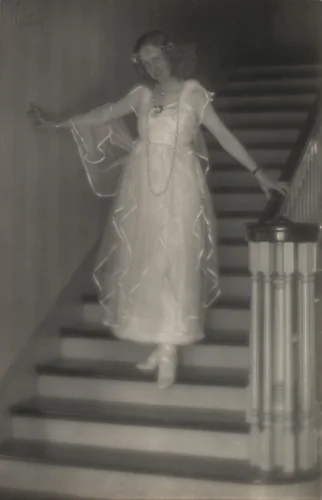
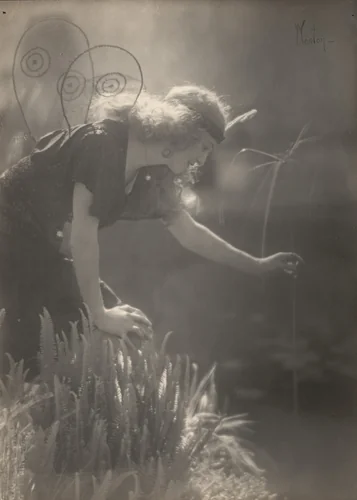
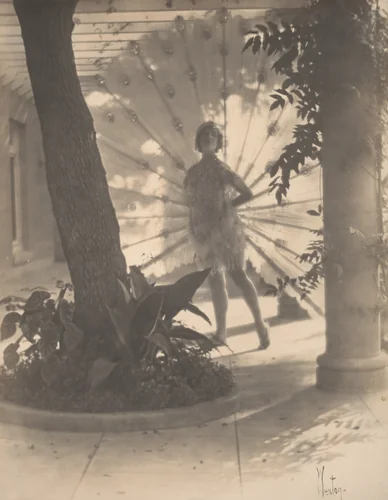
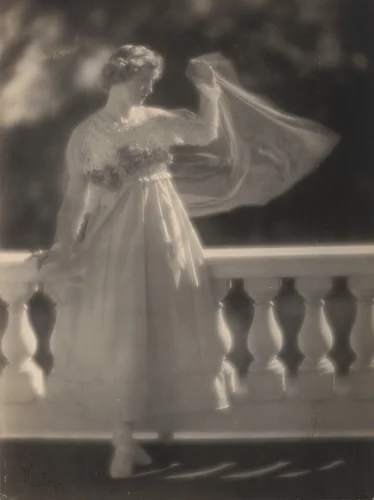
Weston’s subject matter was remarkably expansive, moving effortlessly between stark portraiture, striking nudes, still lifes, genre scenes, and detailed landscapes. This versatility is exemplified by early studio works such as The Spirit of the Dance and the layered elegance found in his portraiture, including repeated studies of sitters like Violet Romer and the theatrical composition The White Peacock. While focused intensely on formalism, he also possessed a subtle wit, occasionally creating whimsical parodies among his otherwise severe compositions. Crucially, Weston is credited with defining a quintessentially American, and particularly Californian, approach to modern photography, grounding his visual philosophy in the unique light, people, and complex geography of the American West.
His dedication to the craft received major historical validation in 1937 when Weston became the first photographer ever to be awarded a Guggenheim Fellowship. Over the following two years, this vital support allowed him to produce a staggering output of nearly 1,400 negatives, all captured using his preferred large-format 8 × 10 view camera. Many of these seminal images, particularly those capturing the textured rocks and gnarled cypress trees of Point Lobos, California, where he lived for many years, are now considered hallmarks of photographic modernism. Given his historical significance, the integrity of his compositions endures, ensuring that his body of work is regularly published as museum-quality photographic prints. Many of his key pieces now reside in the public domain, offering researchers and collectors access to high-quality prints of his iconic work.
Source: Wikipedia · CC BY-SA 4.0