Edward Loper
Edward Leroy Loper Sr. (1910-2011) established a profound artistic legacy across the 20th and 21st centuries, distinguishing himself both as a critical colorist and an educator whose dedication was virtually unparalleled. Though his later career brought prominence for mature Edward Loper paintings, his professional life began within the scope of federal patronage during the Great Depression.
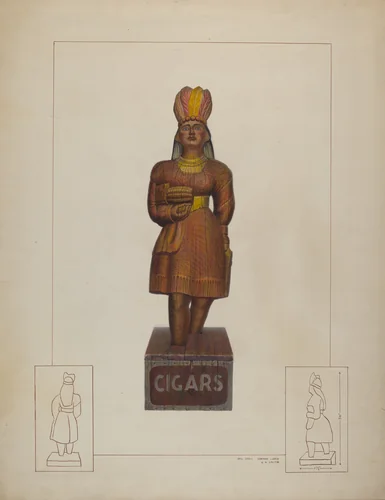
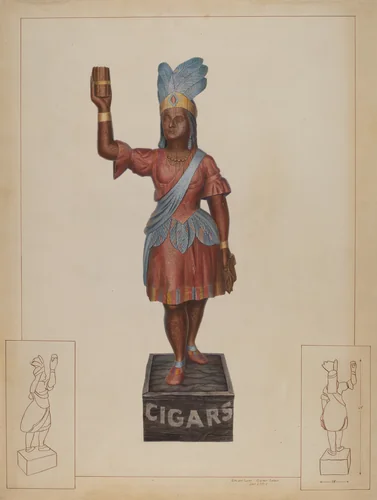
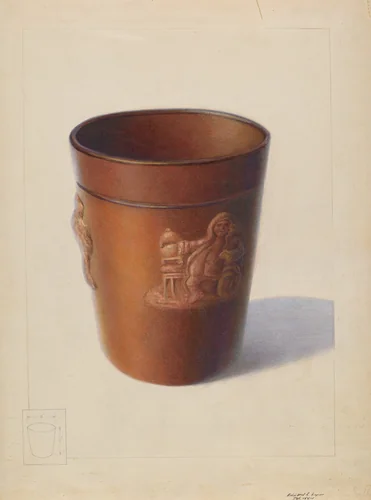
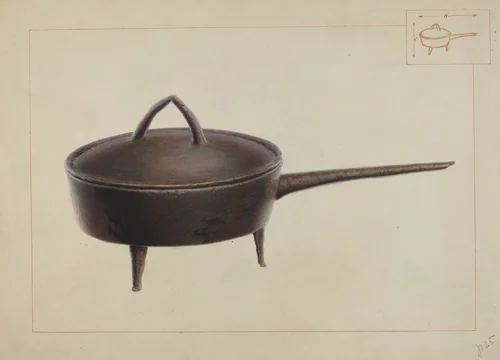
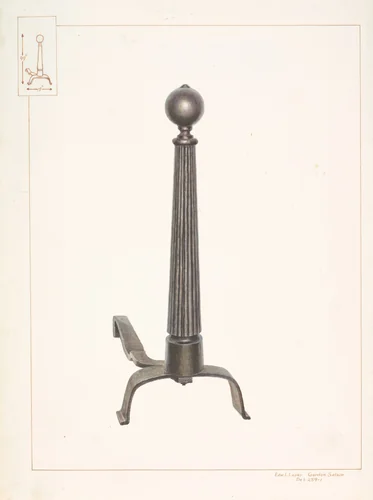
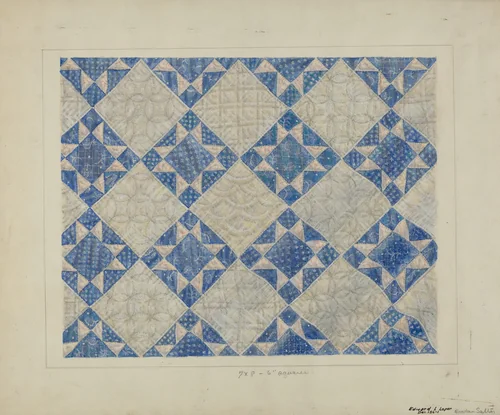
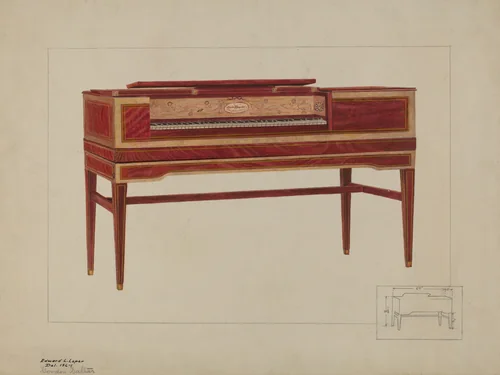
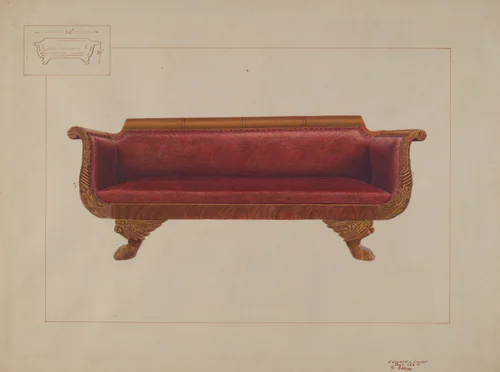
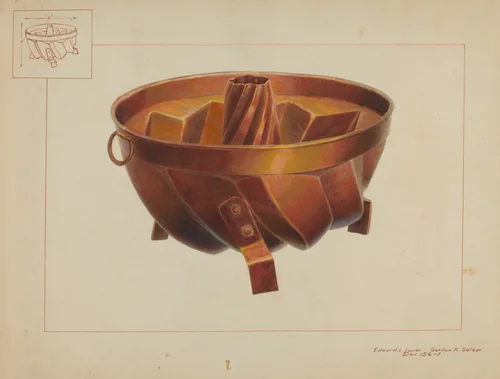
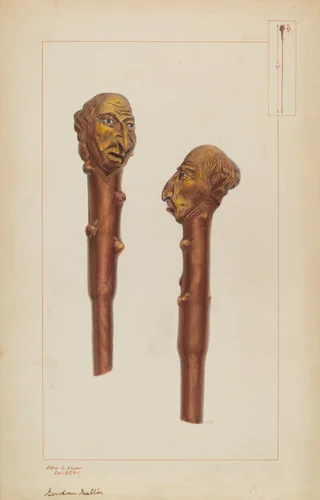
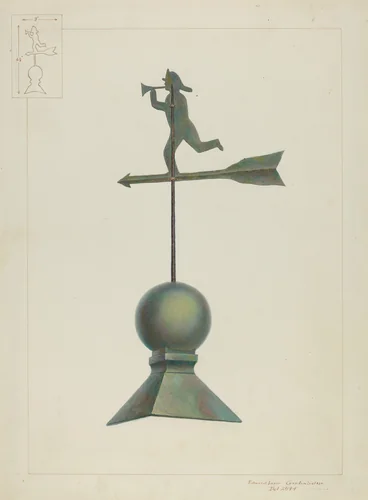
Between 1935 and 1937, Loper was an active participant in the Index of American Design, a vital segment of the New Deal's Federal Art Project. This initiative was dedicated to documenting decorative and utilitarian folk artifacts that defined early American material culture. Loper's contributions required intense precision and skill, yielding meticulous renderings of historical objects such as Cigar Store Indian and Iron Pot with Cover. These valuable documentary works from the Index, totaling eleven designs, now form part of significant national collections, including the holdings of the National Gallery of Art.
Loper’s personal aesthetic, however, moved far beyond the demands of historical documentation. His mature work is celebrated for a distinctive modernist style anchored by a truly vibrant palette. He possessed an acute technical understanding that allowed for the often-daring juxtaposition of colors, creating canvases characterized by energy, depth, and emotional immediacy. Loper’s commitment to this visual language was matched only by his commitment to pedagogy; he taught painting for nearly seventy years. This remarkable longevity in the classroom is perhaps a greater testament to artistic discipline than any single exhibition, ensuring that his innovative approach to color theory was passed down through generations of Delaware artists.
While his late-career Expressionist canvases remain desirable to collectors, his early index contributions offer broad access for study. Because these initial designs are now in the public domain, providing royalty-free access, researchers and enthusiasts can locate museum-quality high-quality prints of Loper's seminal documentary work. His sustained influence rests firmly on this powerful combination: a singular mastery of hue and a tireless, seven-decade long dedication to the instruction of his craft.
Source: Wikipedia · CC BY-SA 4.0