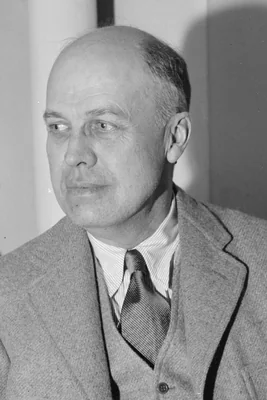
Edward Hopper
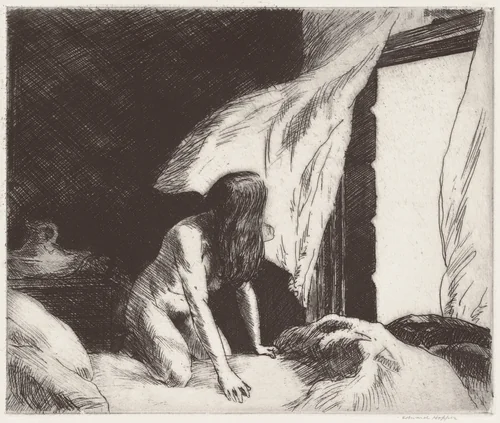
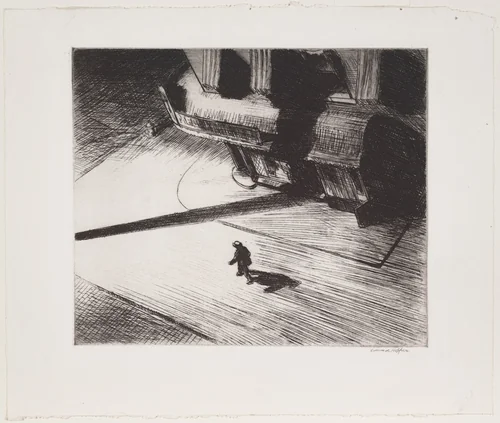
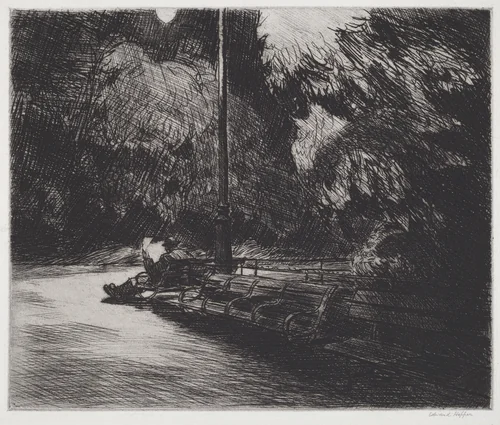
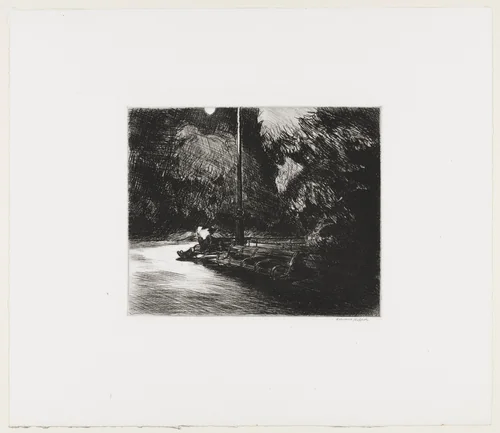
Edward Hopper stands among the most renowned American artists, recognized internationally for his distinctive vision of 20th-century life. Spanning a long career (1882-1967), his work synthesized the detailed observation inherent in American Realism with a profound psychological depth. While known globally for iconic oil paintings featuring solitary figures and illuminated diners, Hopper’s foundational artistic identity was first forged in printmaking and drawing during his formative years between 1901 and 1922.
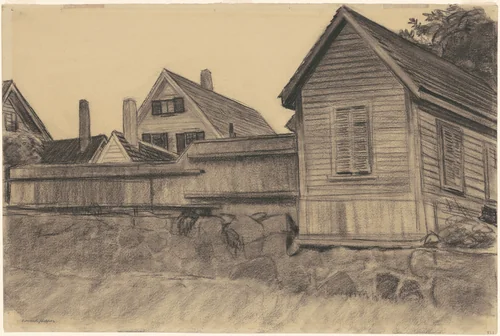
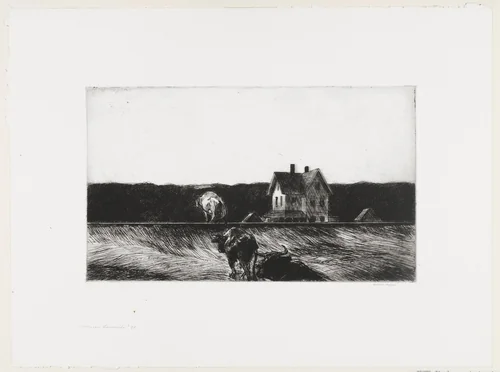
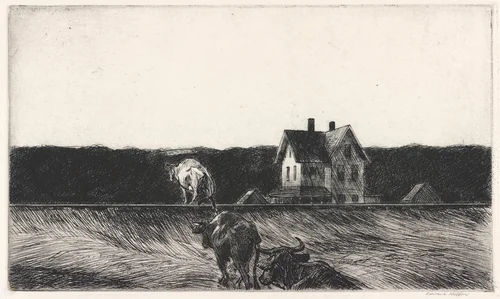
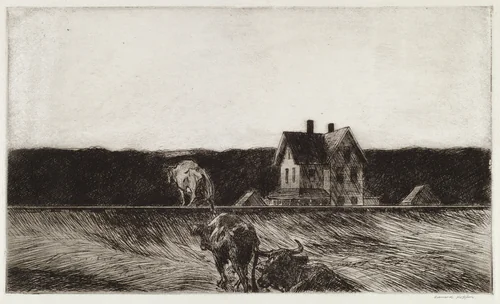
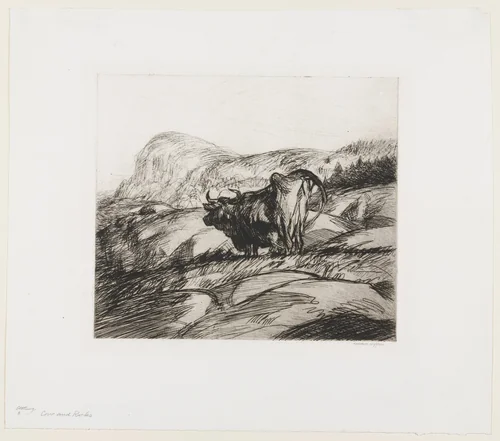
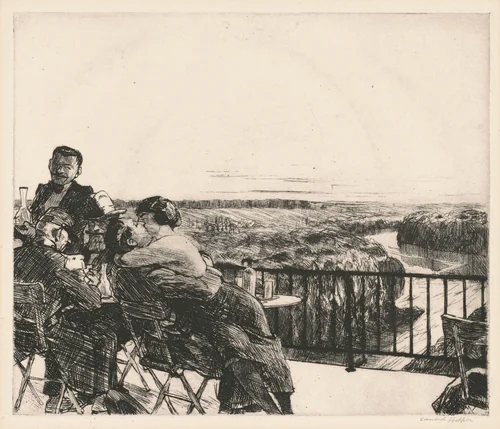
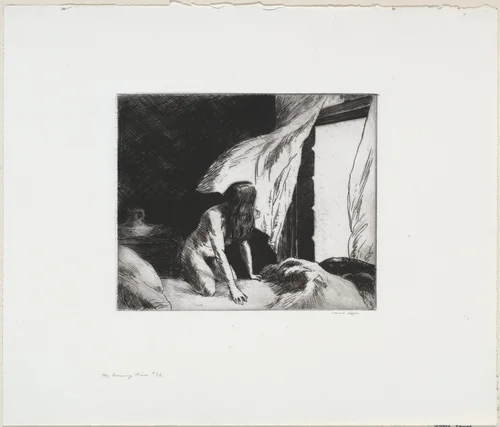
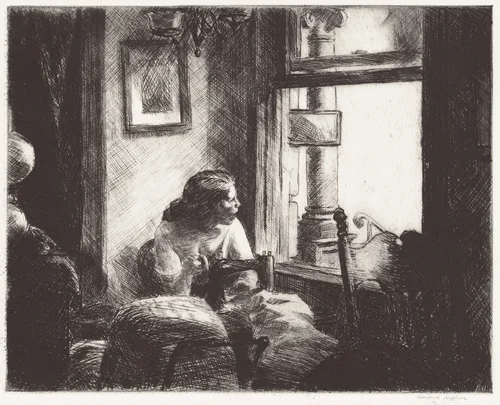
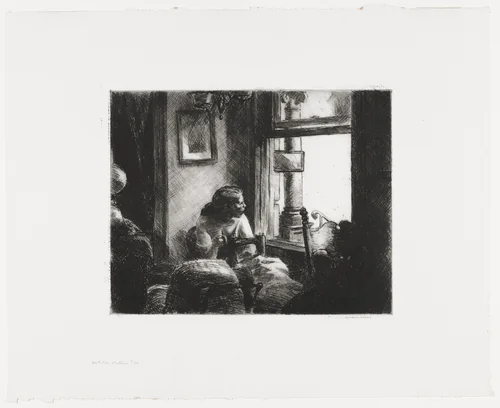
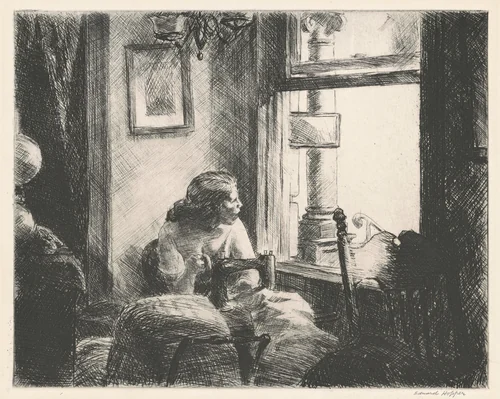
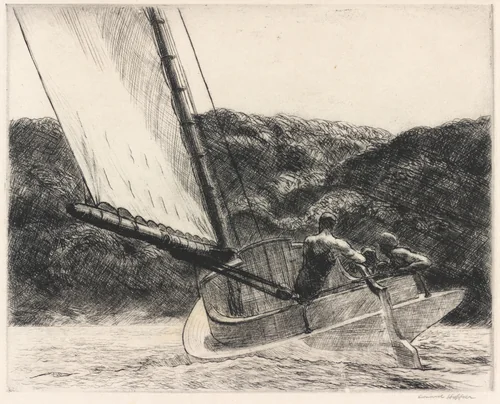
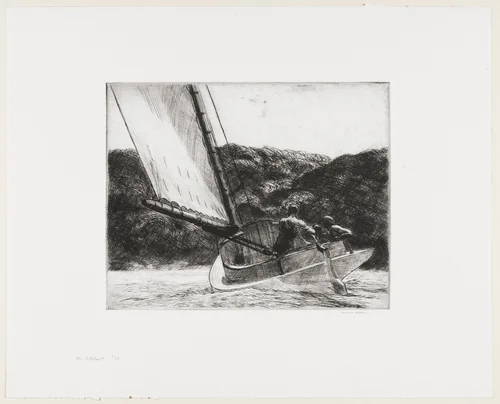
This early period established the central themes and compositional rigidity that would define his mature oeuvre. He produced approximately thirteen definitive prints and two key drawings, explorations that allowed him to distill the essence of architectural setting and American landscape with an economy of line. Works such as Houses, Gloucester and the starkly geometric American Landscape are exemplary of this mastery, emphasizing the interplay of structure, shadow, and silence. The rigorous discipline involved in creating these Edward Hopper prints provided the structural framework necessary for his later, monumental compositions.
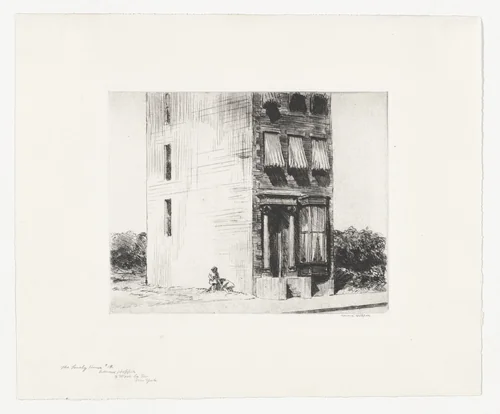
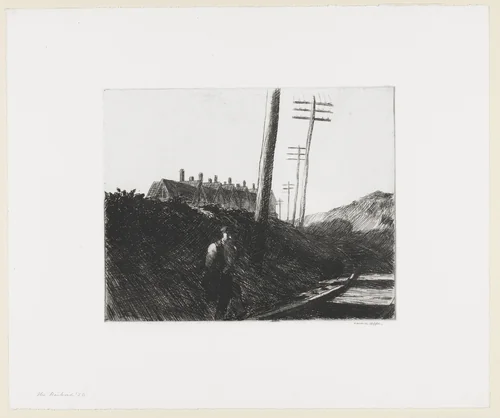
Hopper was fundamentally an observer, translating the seemingly mundane aspects of modern American infrastructure, whether a solitary house or a stretch of railway, into profound statements on solitude. His genius lay not just in depiction, but in atmosphere. One characteristic note on his methodical approach is his reliance on highly detailed preparatory sketches; his wife Jo often remarked upon his meticulous, almost engineering-like study of light before color was ever applied.
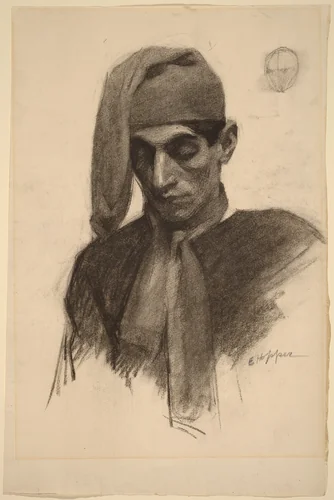
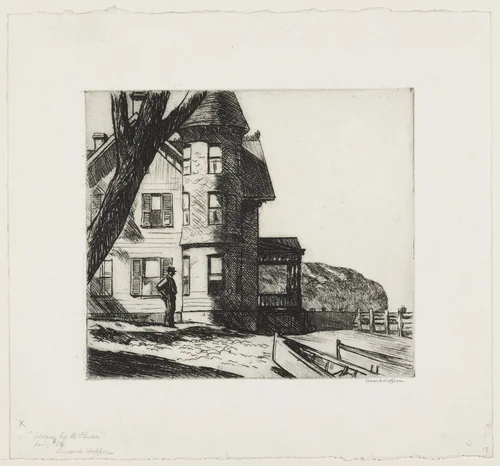
His contribution was to invest American Realism with potent psychological drama, cementing his status as a key interpreter of the national mood. His works are held in major institutions worldwide, including the National Gallery of Art and the Museum of Modern Art. Many of these historically important graphic works are now in the public domain, enabling access to high-quality prints and downloadable artwork that demonstrates the early genesis of his unique visual language. Even in his quietest compositions, whether the personal intimacy implied by Jimmy Corsini or the wide, empty spaces of House by a River, Hopper ensures the viewer senses an untold narrative just beyond the frame.
Source: Wikipedia · CC BY-SA 4.0