Edward Greene Malbone
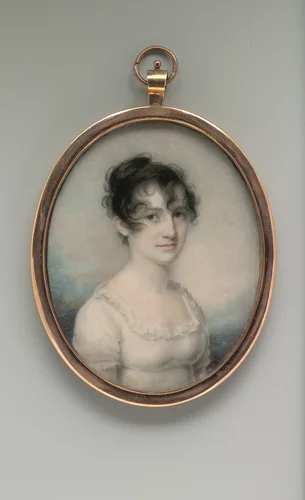
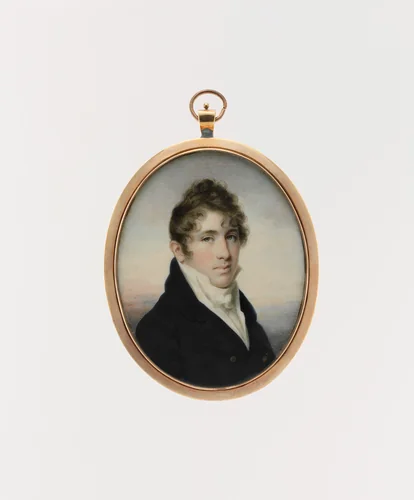
Edward Greene Malbone (1777-1807) stands as the definitive American miniaturist of the Federal period. Active primarily between 1792 and 1803, he established a standard of exacting realism and refined grace that placed him at the zenith of the genre. At a time when grand portraiture required significant time and expense, Malbone’s delicate portraits, often painted on ivory, provided an intimate, portable, and fashionable record of the young nation’s elite. His surviving works, held in major institutions including the Metropolitan Museum of Art, the Art Institute of Chicago, and the Cleveland Museum of Art, confirm his status as the most sought-after artist in this specialty.
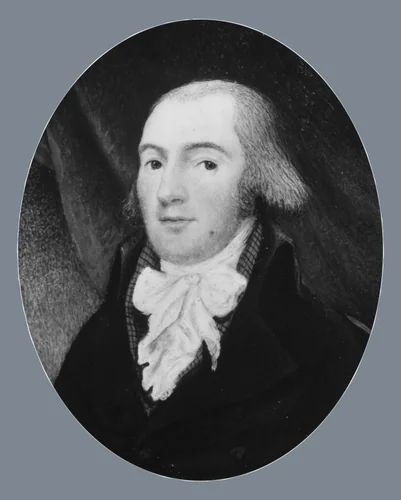
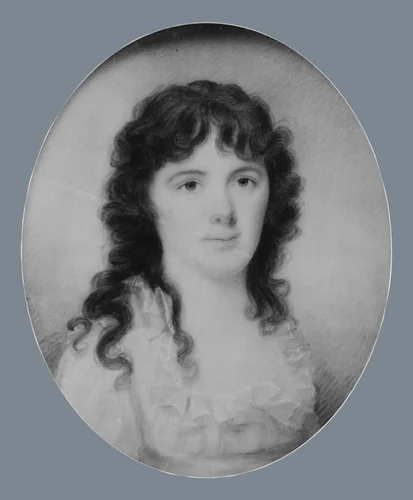
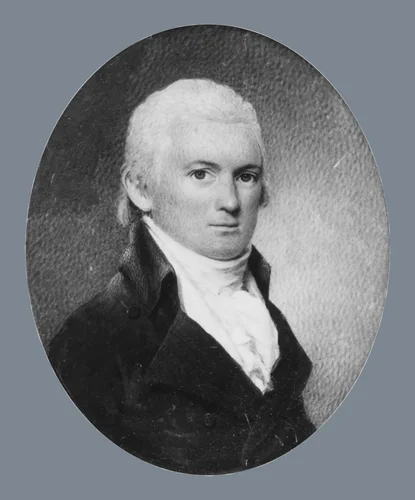
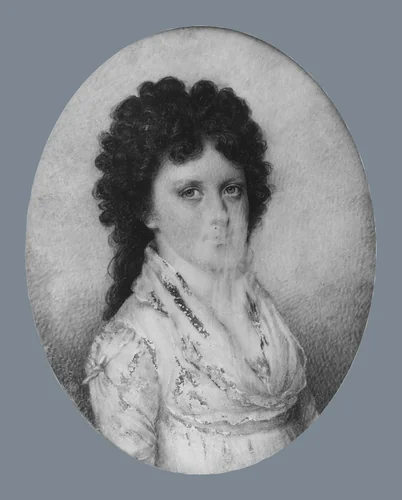
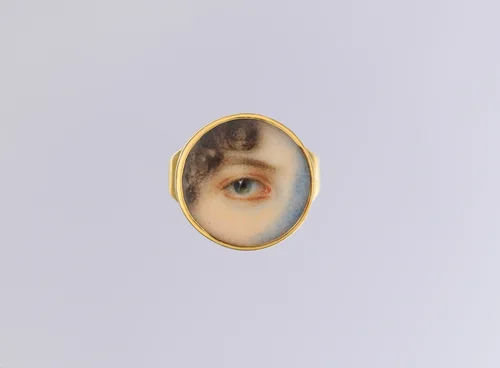
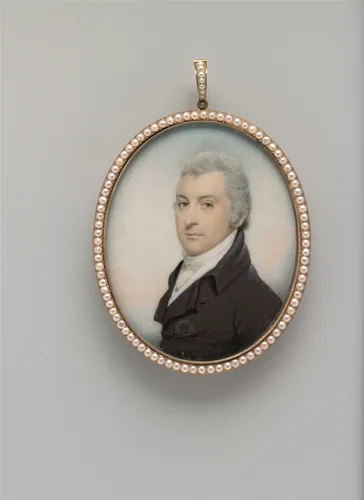
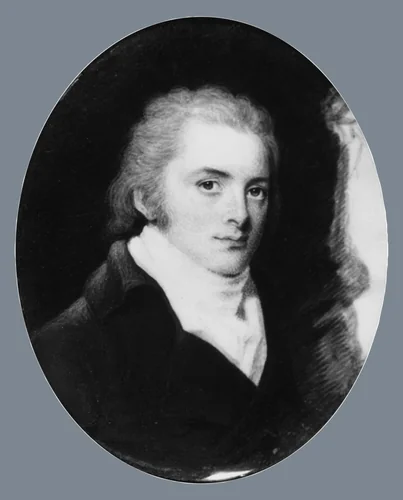
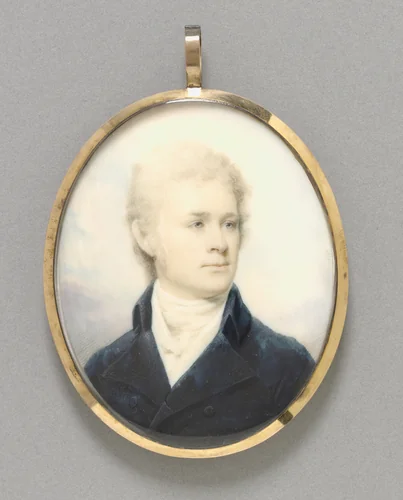
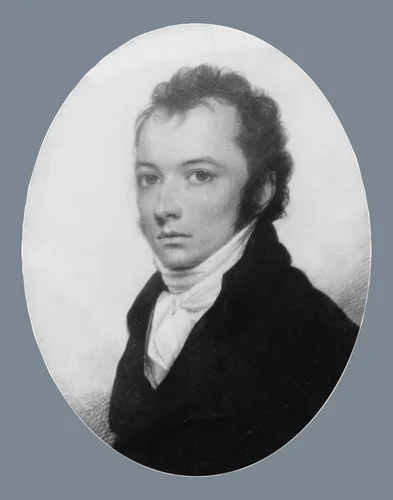
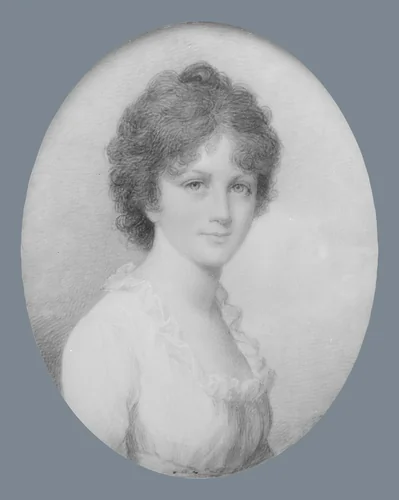
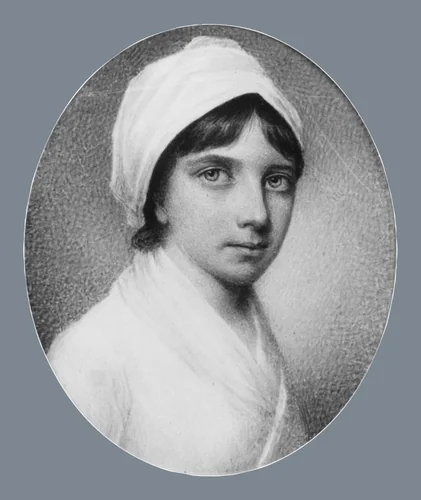
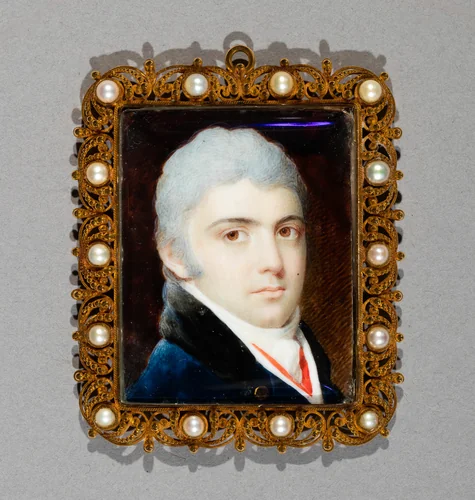
Malbone’s success stemmed from his ability to capture acute likeness while employing a sophisticated palette and handling texture with meticulous care, avoiding the stiff formality often found in contemporary productions. He possessed a technical rigor that allowed him to render the subtle sheen of silk or the precise curvature of a lapel on a small scale, as evidenced by his portraits of notable sitters like Cornelius George Bowler and Mrs. John Nightingale (Martha Washington Greene). His mastery of detail is particularly compelling in unique compositions, such as the psychologically rich single-eye portrait, Eye of Maria Miles Heyward. Viewing the collected work, one notes a particularly engaging directness in the gaze of his well-to-do subjects, suggesting the relationship between the artist and his affluent clientele was uncommonly confident and easy.
Malbone’s influence extended beyond the practice of miniature painting itself. His technical innovations and refinement informed the careers of several significant American artists, including Charles Fraser, the prolific biographer and painter William Dunlap, and the prominent portraitist John Wesley Jarvis. The consistent quality and technical finesse of these Edward Greene Malbone paintings mean they remain vital documents of early American society and set a high benchmark for collecting; they are considered true museum-quality examples of the form.
Despite a promising career tragically cut short by tuberculosis around the age of thirty, Malbone defined the aesthetic and commercial possibilities of American miniature painting. Today, while the originals are highly guarded, historical institutions now offer high-quality prints and archival reproductions of his core works, ensuring his concise but profound legacy endures into the modern era.
Source: Wikipedia · CC BY-SA 4.0