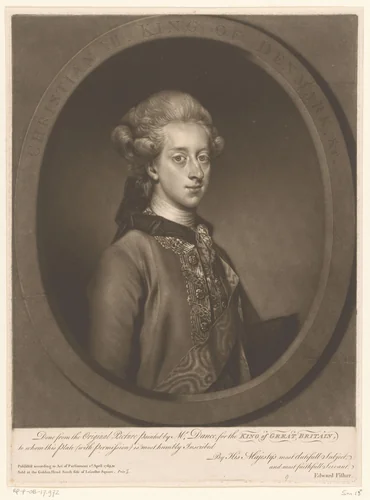
Edward Fisher
Edward Fisher (c. 1730–1785) was a preeminent English mezzotint engraver whose career, spanning the mid-eighteenth century, played a vital role in democratizing the visual culture of Georgian society. Active primarily between 1750 and 1766, Fisher’s output, while relatively concise with approximately fifteen known plates, established him as a master translator of oil paintings into accessible print form. His work captured the dignity and refinement of the period’s most prominent figures, securing his place in institutional collections such as the Rijksmuseum, the Art Institute of Chicago, and the Cleveland Museum of Art.
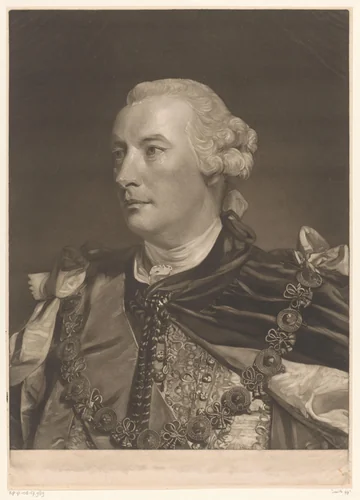
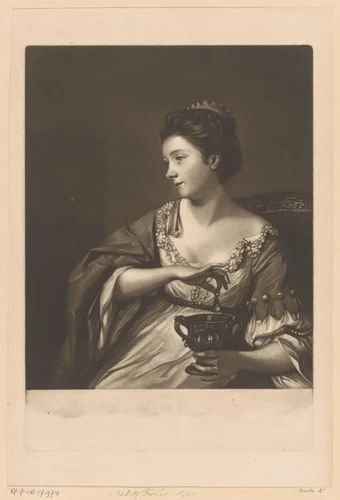
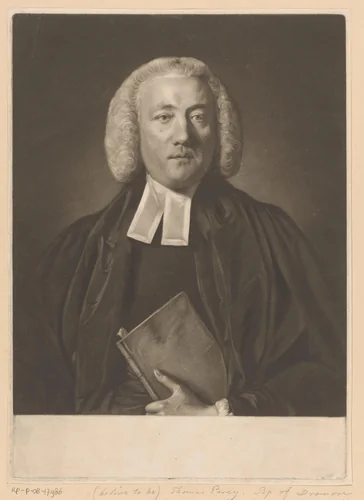
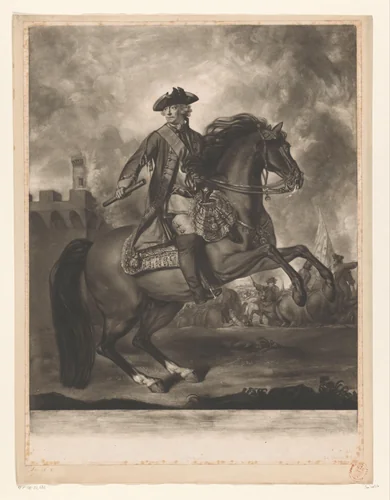
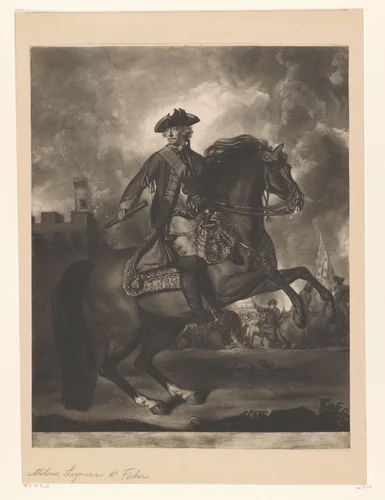
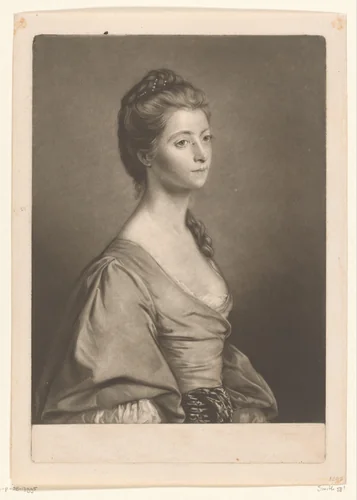
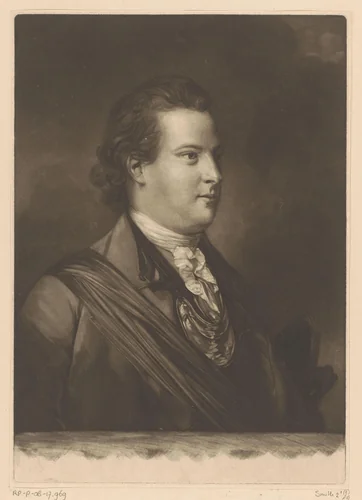
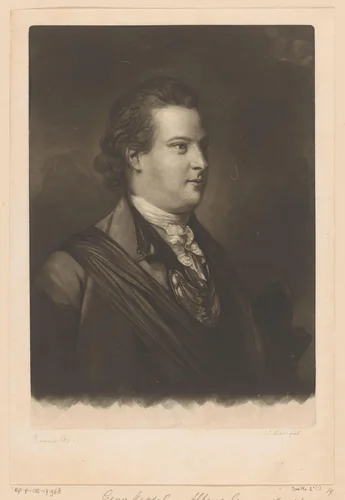
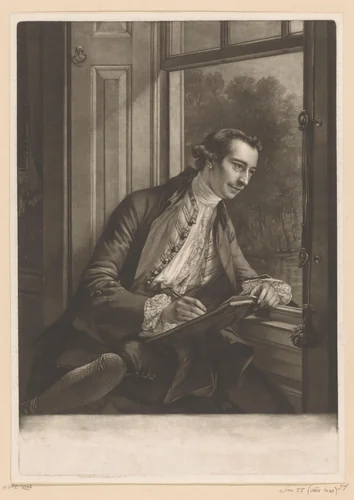
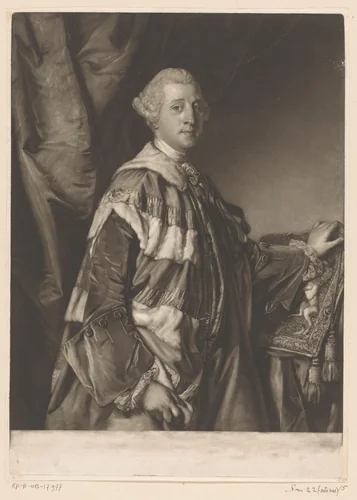
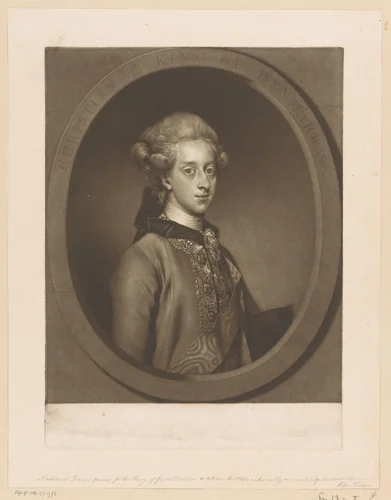
Fisher’s chosen medium, the mezzotint, or "the dark manner," was uniquely suited to reproducing the subtle, painterly effects achieved by contemporary portraitists. By meticulously scraping and burnishing a rocked copper plate, Fisher achieved the velvety, deep tonal ranges necessary to mimic the rich textures of oil paint, particularly the delicate interplay of light and shadow favored by artists like Sir Joshua Reynolds. This technical dexterity allowed him to create exceptionally detailed and high-quality prints that spread the likenesses of aristocratic sitters throughout Britain and Europe. This reproductive enterprise was essential to how fame was cultivated during the era, making Fisher an influential figure in the dissemination of style and status.
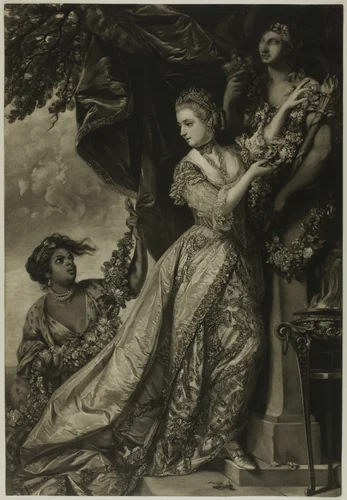
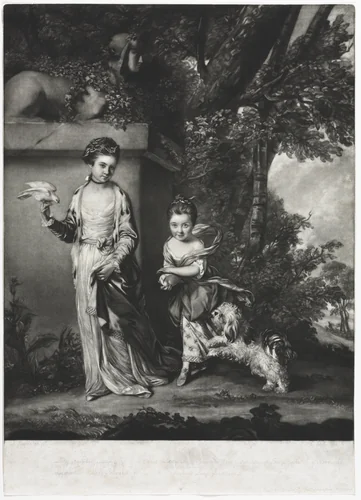
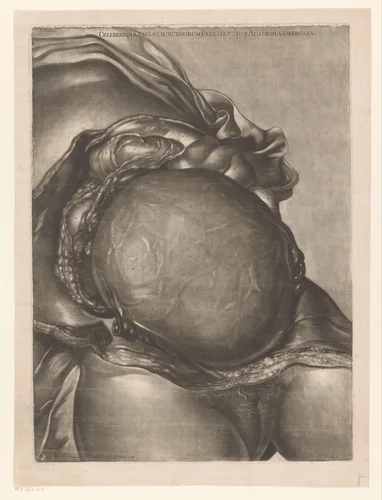
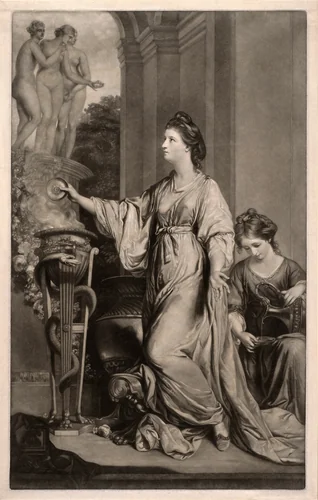
His most noted works include commissioned society portraits such as the dramatic study of Lady Elizabeth Keppel and the graceful depiction of The Ladies Amabel and Mary Jemima Yorke. These portrayals of elite women engaged Fisher at the very pinnacle of contemporary patronage. Intriguingly, his known works include striking departures from standard portraiture, such as the rigorously detailed Anatomie van een vrouw met ontlede buik en baarmoeder. This inclusion suggests that Fisher was not merely a copyist for courtly artists, but a technically versatile engraver willing to apply his skills to subjects of clinical and academic necessity, thereby broadening the scope of his museum-quality work.
Though his active period was brief, the surviving Edward Fisher prints provide an invaluable record of mid-eighteenth-century artistic trends and social hierarchy. His masterful control of light and texture remains highly regarded by collectors. As the original plates are now antiques, many of these exceptional images have entered the public domain, ensuring that Fisher’s technical skill and historical contributions continue to be studied and appreciated today.
Source: Wikipedia · CC BY-SA 4.0