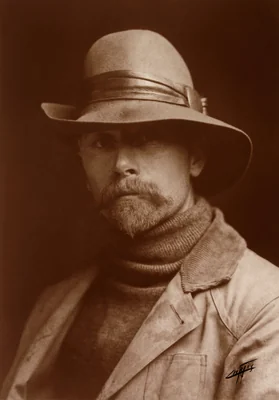
Edward Curtis
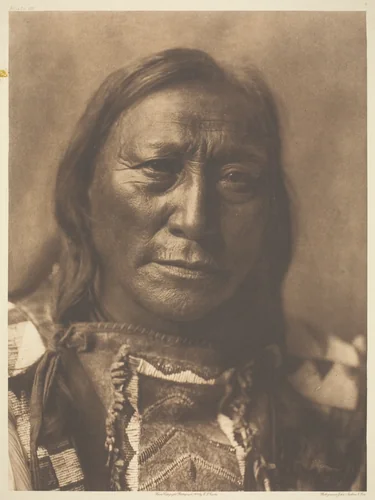
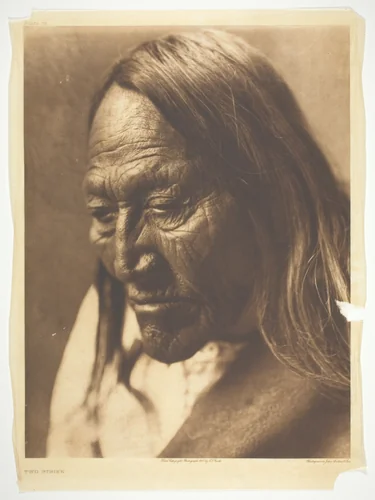
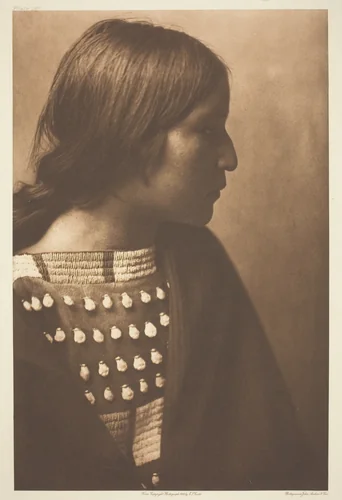
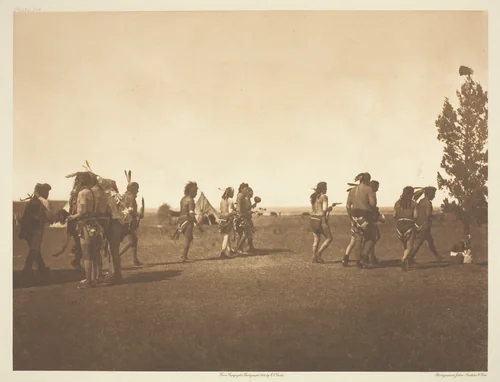
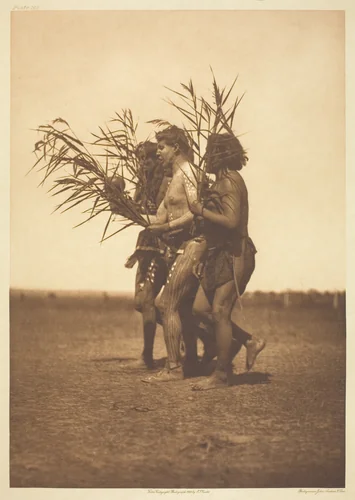
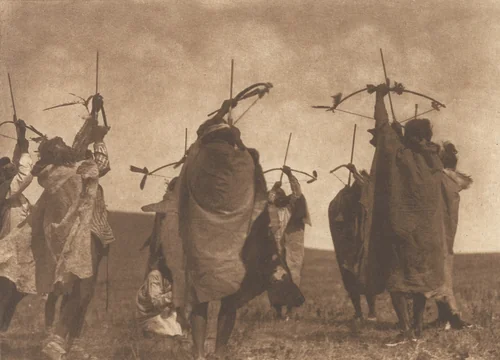
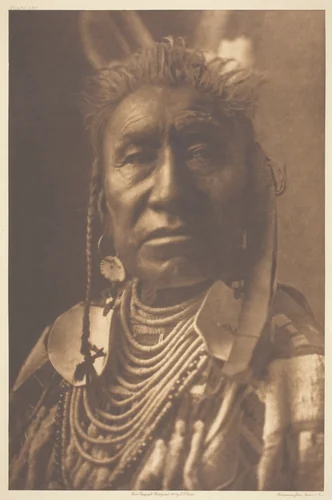
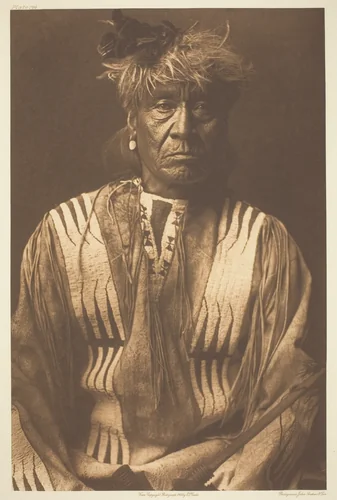
Edward Sheriff Curtis (1868-1952) was an American photographer and ethnologist whose monumental documentation of Native American communities across the American West stands as one of the most ambitious ethnographic projects in visual history. Active across the turn of the century (c. 1898-1900), Curtis dedicated himself to creating a definitive record of what he believed were "dwindling ways of life," a pursuit that spanned decades and resulted in twenty volumes of text and photographic plates.
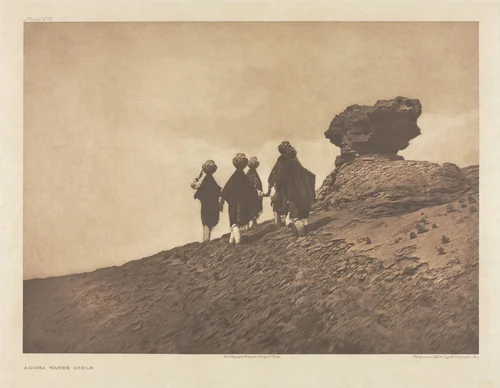
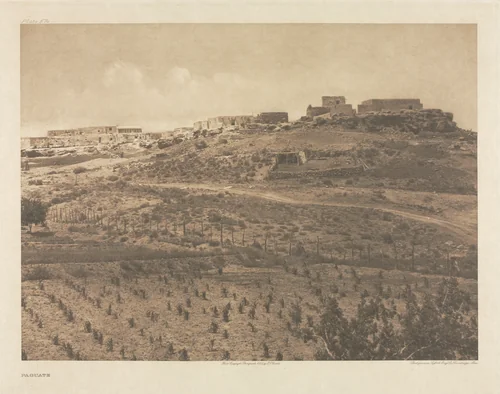
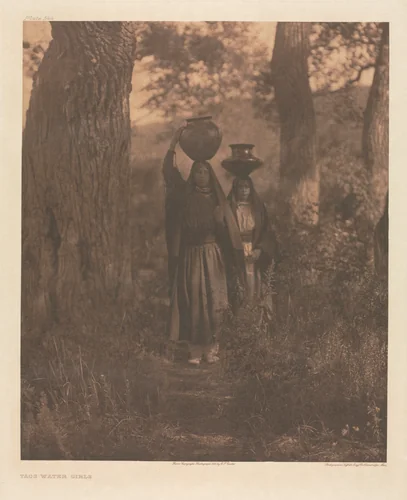
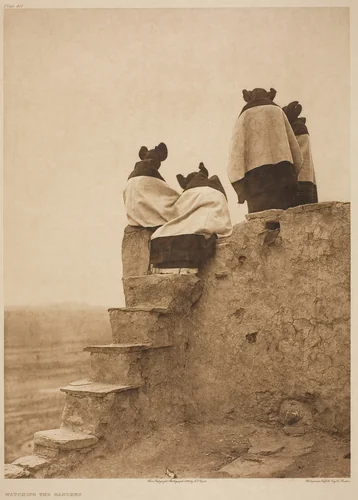
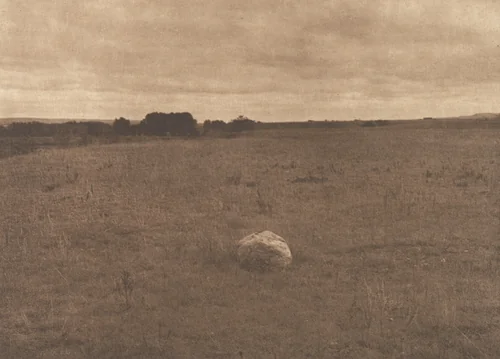
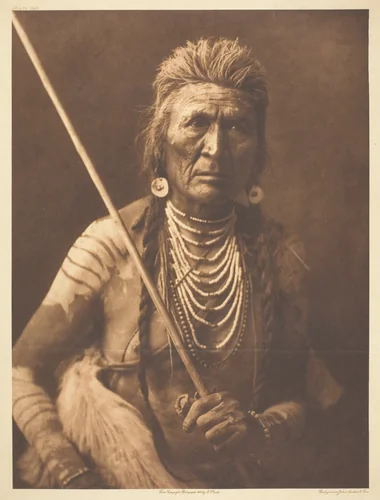
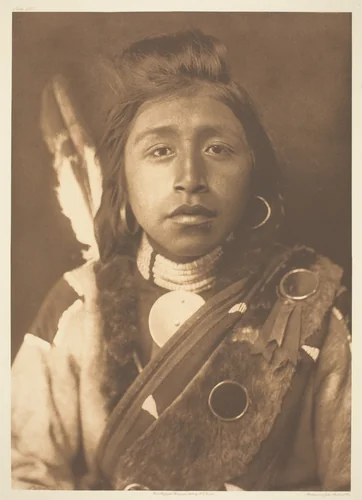
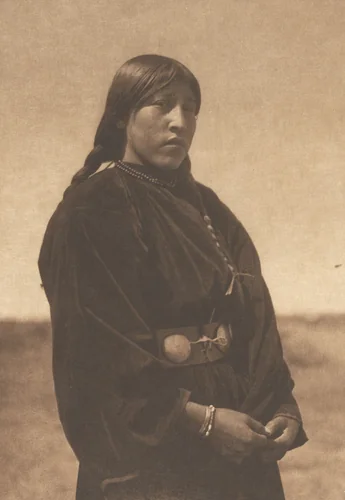
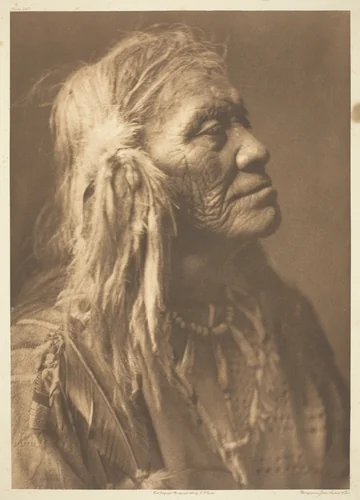
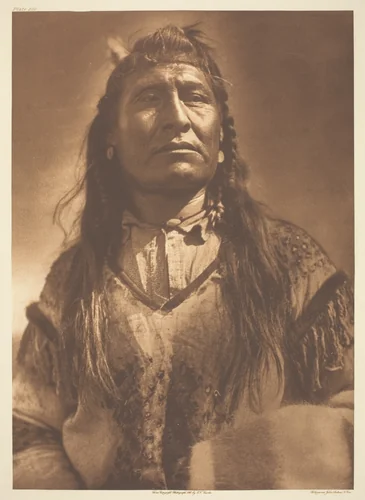
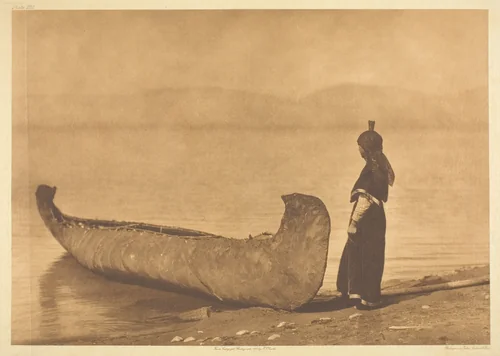
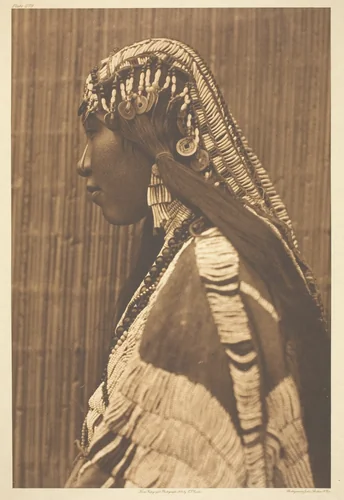
His methodology was characteristically interdisciplinary, combining large-format photography with detailed ethnographic observations and critical audio recordings, a holistic approach that underscored the project’s scope. The artist’s dedication to traveling vast stretches of the continent to record various native tribes earned him the apt, if slightly mythic, moniker “Shadow Catcher.” Works housed within his voluminous series, such as the highly influential Portfolio IX, feature both sweeping scenic studies—like Sunset on Puget Sound and Homeward—and intensely focused portraits, including Suquamish Woman and Lummi Type. These images demonstrate a sophisticated, pictorialist compositional style, prioritizing dramatic lighting and evocative atmosphere alongside detailed visual data.
While Curtis’s work is today sometimes critiqued for its tendency toward romanticized staging—a common artistic bias of the era—its historical value is undeniable. The sheer logistical feat of this undertaking, requiring the consistent transportation of cumbersome large-format cameras and developing equipment across unforgiving terrain, remains an understated testament to his tenacity.
The enduring significance of Curtis’s archive is reflected in major institutional holdings, including the collections of the Cleveland Museum of Art and the Art Institute of Chicago. As much of this foundational material has now transitioned into the public domain, the comprehensive visual records are frequently reproduced. Scholars and enthusiasts can access these seminal works as high-quality prints and downloadable artwork, ensuring that the critical visual legacy of Edward Curtis, the Shadow Catcher, continues to inform and inspire appreciation for the diverse cultures he sought to preserve.
Source: Wikipedia · CC BY-SA 4.0