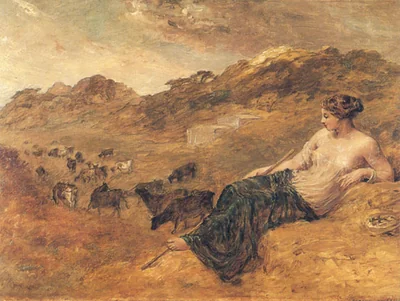
Edward Calvert
Edward Calvert (1799–1883) was an English painter and printmaker whose significant contribution to art history rests on a remarkable but exceptionally brief period of dedicated graphic output in the 1820s. His enduring legacy hinges almost entirely on a corpus of only thirteen known prints, each characterized by an intense miniaturism and visionary idealism that anchors him firmly within the later English Romantic tradition.
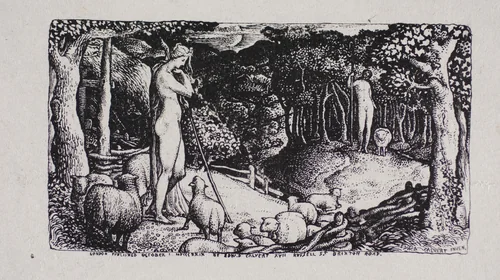
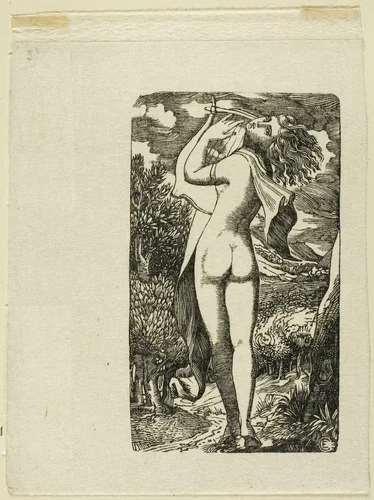
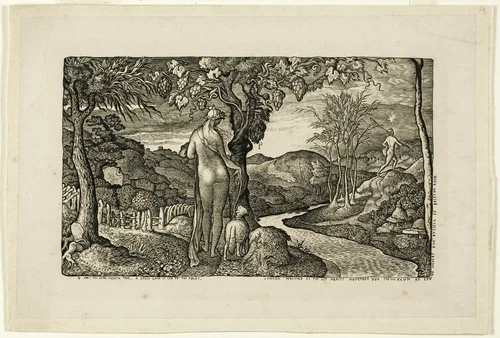
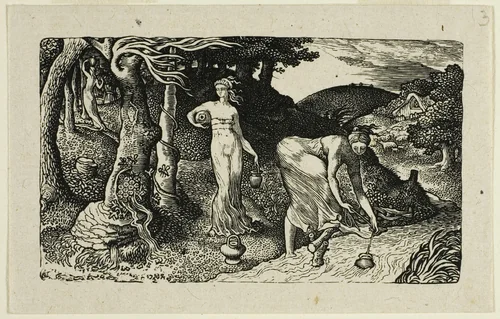
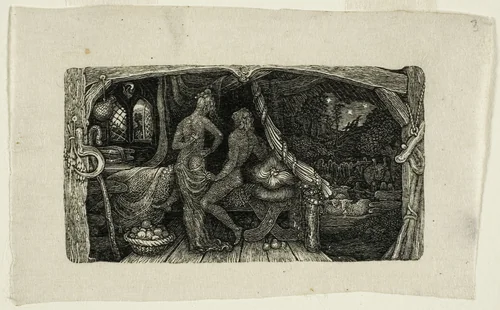
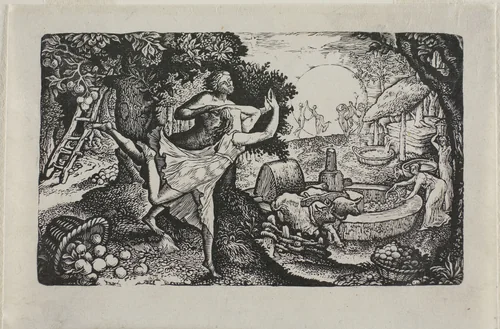
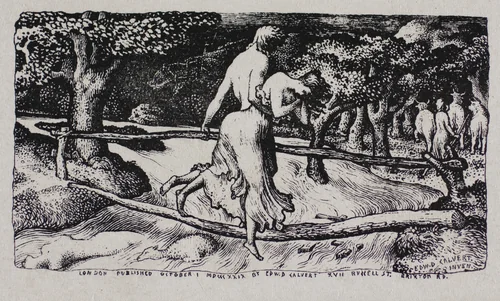
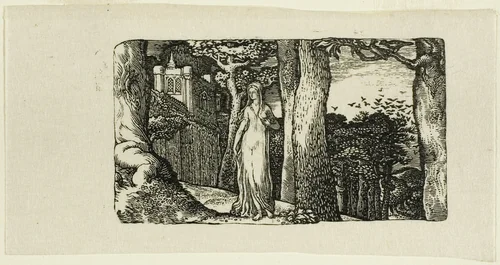
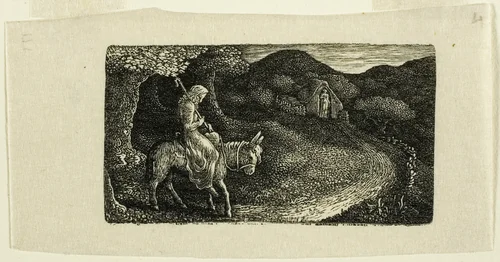
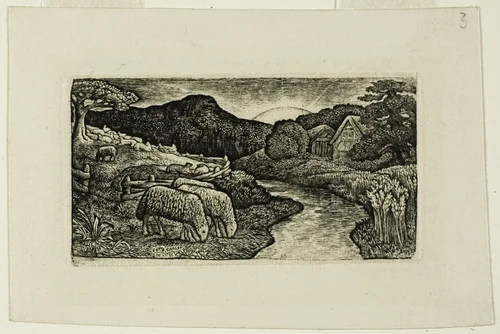
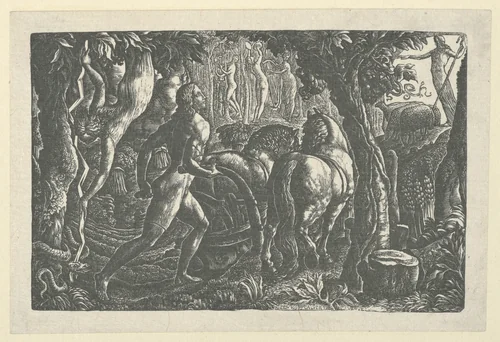
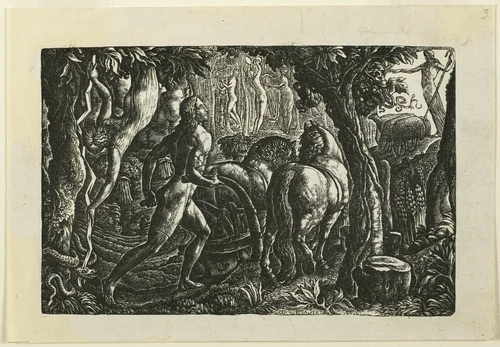
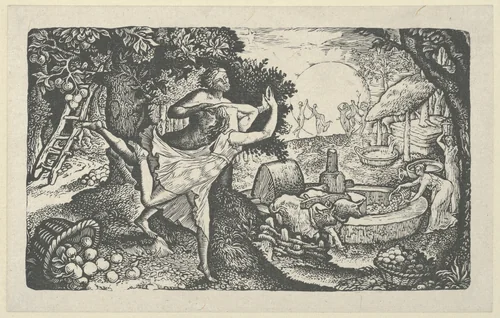
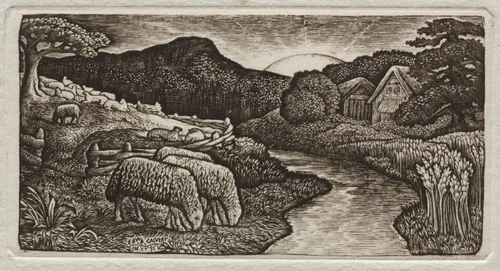
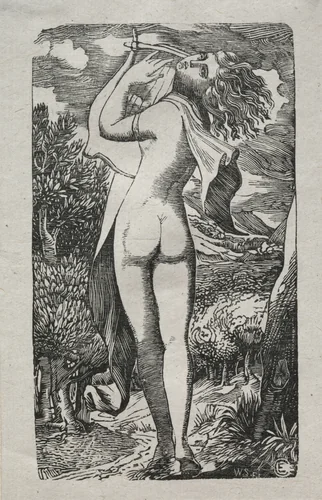
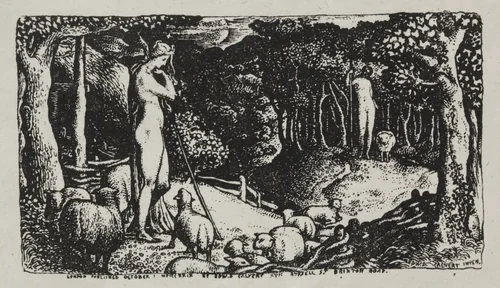
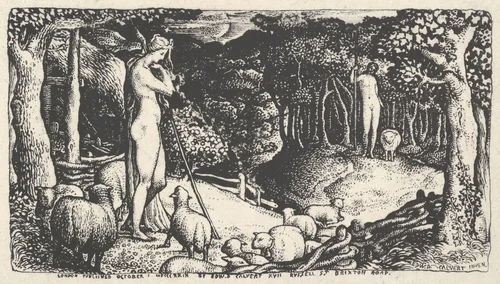
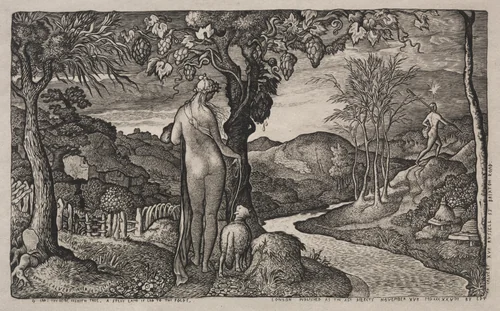
Active primarily between 1819 and 1829, Calvert’s practice was defined by meticulous control over the medium. He utilized fine wood and copper engraving to achieve an unprecedented level of detail in exceptionally small formats. These works, which include Ideal Pastoral Life, The Bacchante, and The Brook, articulate a profoundly internalized, utopian vision of classical antiquity. They prioritize symbolic complexity, lush, detailed textures, and mythological narrative over naturalistic representation, establishing a unique aesthetic language that contrasts sharply with the broader academic trends of the era.
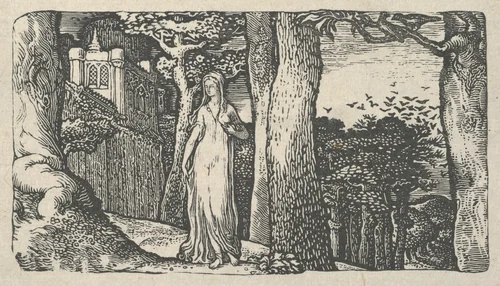
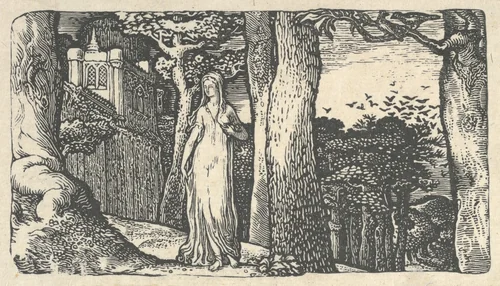
Calvert belonged to a small, fiercely loyal cohort of artists known as ‘The Ancients,’ who gathered around the influential and radical vision of William Blake. While Blake’s profound spiritual intensity provided the philosophical foundation for the group, Calvert's unique contribution lies in his refinement of scale. He created miniature worlds that feel monumentally dense in their symbolic resonance. His prints eschew the grand narrative scale often associated with Romanticism, opting instead for compressed, jewel-like compositions like The Bride and The Chamber Idyl.
It is a striking feature of art historical influence that Calvert’s entire reputation derives from this mere handful of intensely wrought plates. His commitment to quality over quantity resulted in works that remain highly sought after by collectors and institutions today, including the Cleveland Museum of Art and the Metropolitan Museum of Art. Because of their historical significance and technical mastery, scholars frequently study Edward Calvert prints, many of which are now available in the public domain. The continued demand for these compositions ensures that high-quality prints and downloadable artwork are essential resources for understanding this pivotal, if tiny, moment in English graphic art.
Source: Wikipedia · CC BY-SA 4.0