Edouard Vuillard
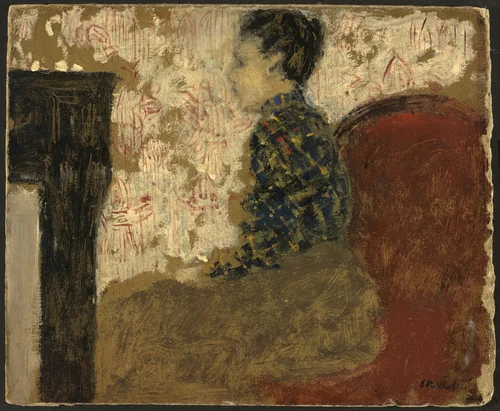
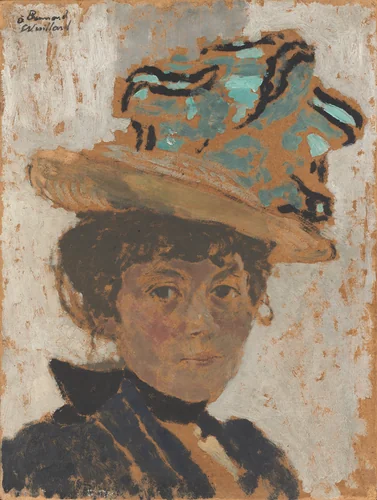
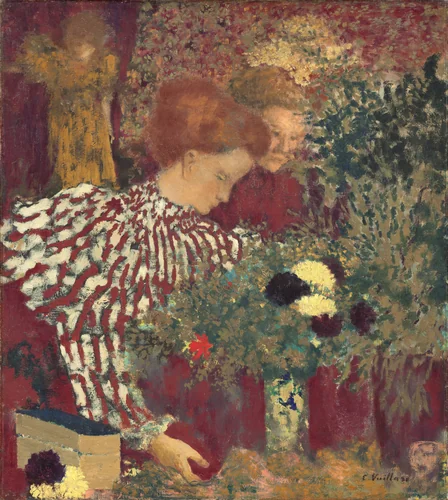
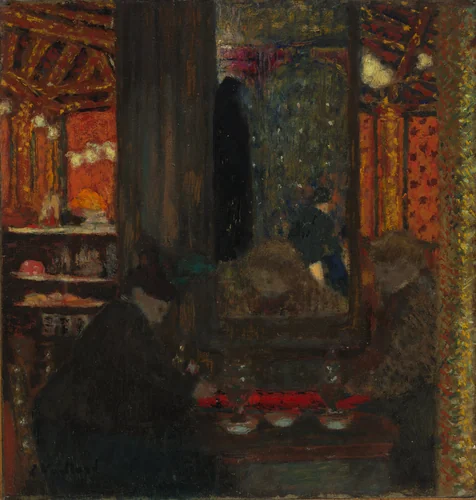
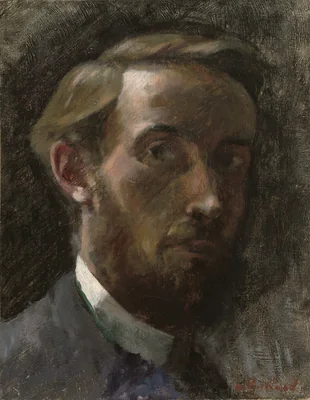
Jean-Édouard Vuillard (1868-1940) stands as a foundational figure in French Post-Impressionist art, renowned for his intimate depictions of Parisian life and his influential commitment to decorative design. From 1891 to 1900, Vuillard was a core member of the avant-garde group Les Nabis (The Prophets), a collective dedicated to synthesizing symbolic meaning and pictorial pattern. During this intensely creative decade, his style utilized assembled areas of pure color, creating paintings that fundamentally blurred the traditional distinction between fine art and interior decoration. This innovative approach yielded significant early works, including the painting Au Théâtre Antoine and studies such as the sketch In Front of the Mirror (recto).
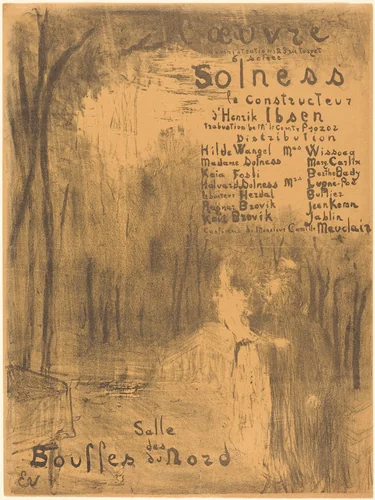
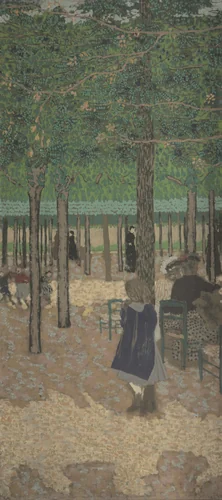
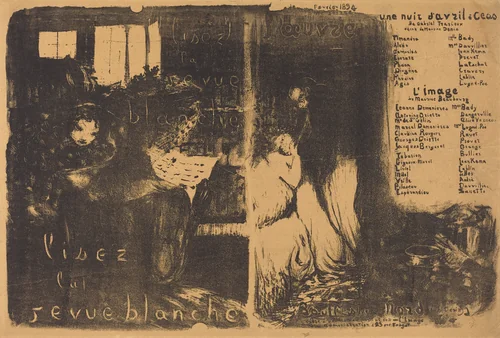
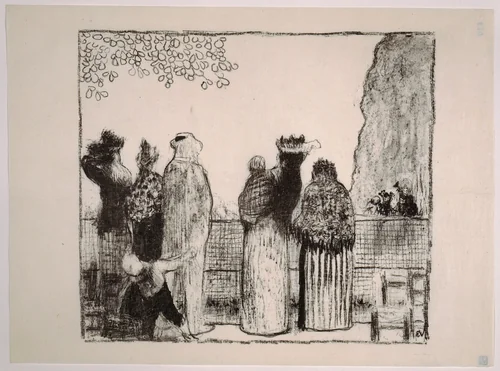
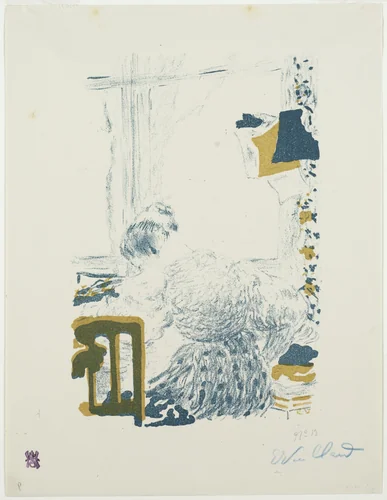
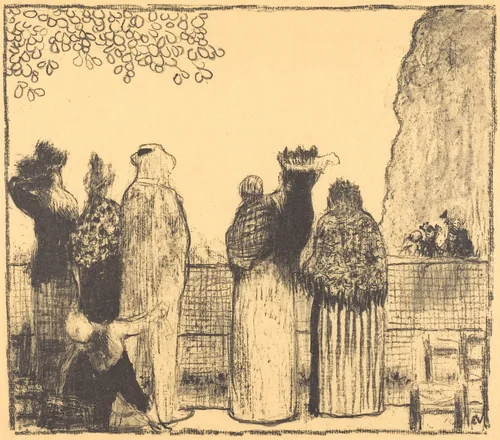
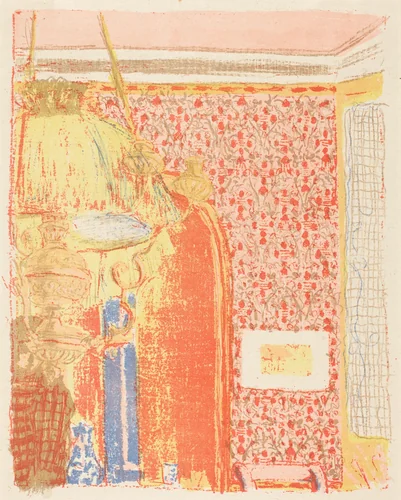
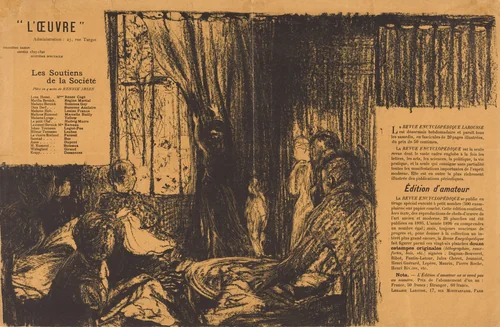
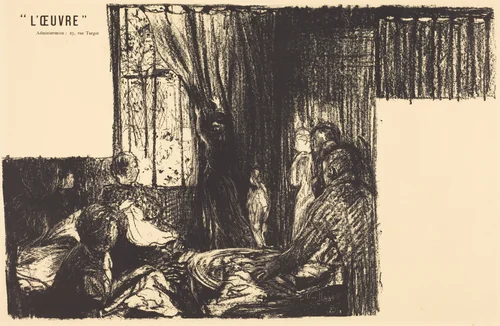
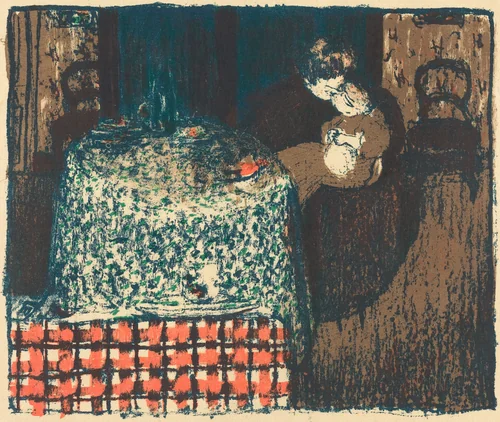
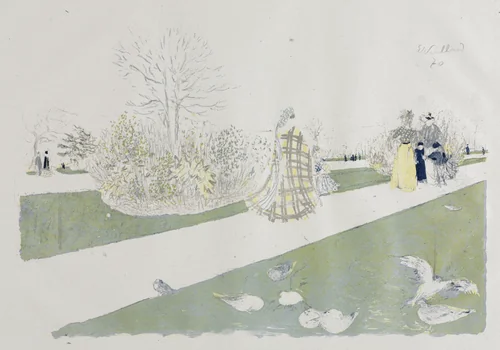
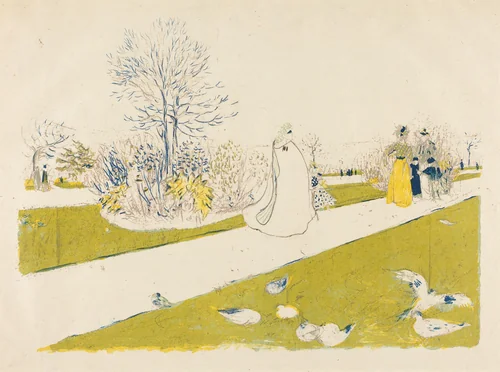
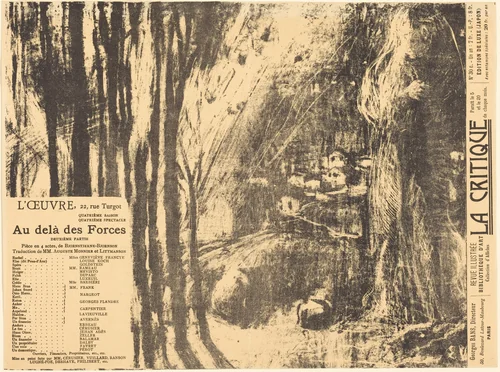
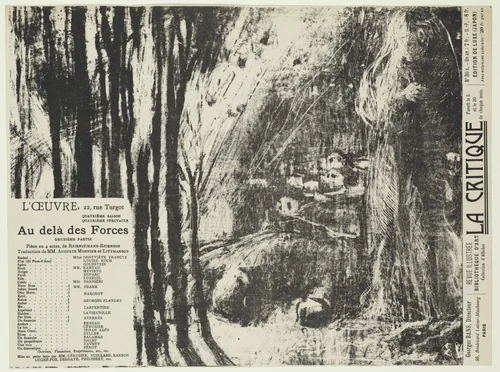
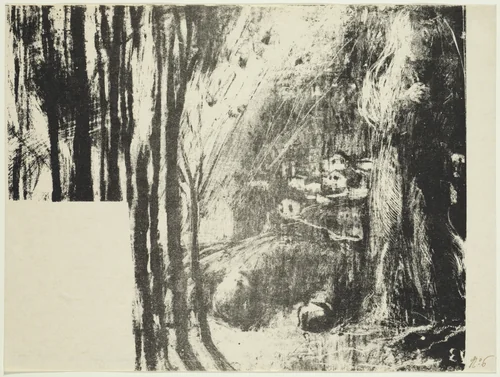
Deeply influenced by the formal austerity and spatial dynamics of Japanese prints, Vuillard’s celebrated interior scenes revolutionized the representation of domestic space. He often explored complex spatial effects by employing flattened planes of color and dense, repetitive patterns, transforming the bourgeois parlor into a vibrating, almost abstract environment. A prolific printmaker and draftsman, contributing delicate lithographs and preparatory works like Programme de théâtre, Vuillard was simultaneously active in the applied arts. He readily accepted commissions for theater sets, large-scale interior decorative panels, and designed stained glass and plates, affirming his commitment to art as an immersive, environmental experience. While his contemporaries often focused on grand public narratives, Vuillard consistently focused his gaze on the quiet, patterned drama of his family members and close friends, lending his early Edouard Vuillard paintings their unique atmosphere of contained warmth.
Following the dissolution of Les Nabis around 1900, Vuillard shifted toward a methodology that was more traditionally realistic and descriptive. He abandoned the radical flattening of his Nabi period, approaching landscapes and later interiors with greater structural detail and a more vivid, traditional palette. His final decades, spanning the 1920s and 1930s, saw him become a highly favored portraitist, capturing prominent figures in French industry and the arts within the context of their familiar, wealthy surroundings. Today, due to their inclusion in the public domain, many preparatory drawings and high-quality prints of Vuillard’s work, held in major institutions like the Cleveland Museum of Art and the National Gallery of Art, remain globally accessible for study and collection.
Source: Wikipedia · CC BY-SA 4.0