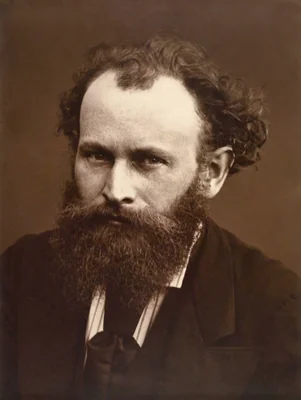
Edouard Manet
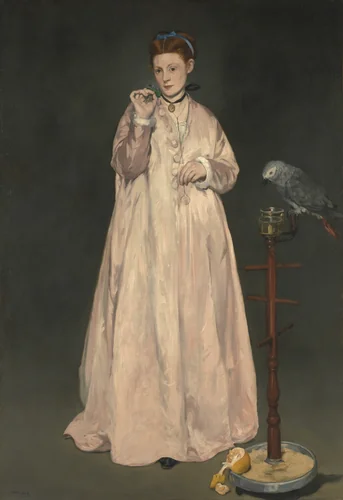
Édouard Manet stands as a foundational figure in the development of 19th-century art, serving as the crucial link between the measured techniques of Realism and the emergent spontaneity of Impressionism. Born in 1832, Manet was arguably the first major artist to confront and depict modern Parisian life, effectively moving painting away from mythological or historical narrative and into the immediate present. His early adoption of challenging, unidealized subject matter, such as the unflinching gaze of his contemporary female figures, set the stage for the radical artistic shifts that followed, defining the essence of the modernist project.
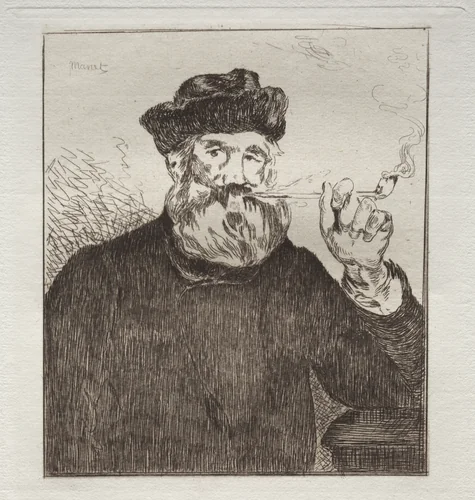
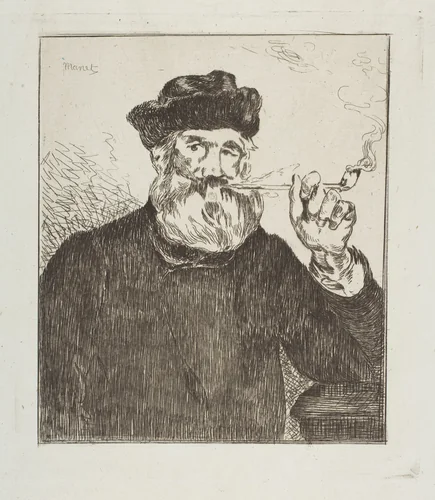
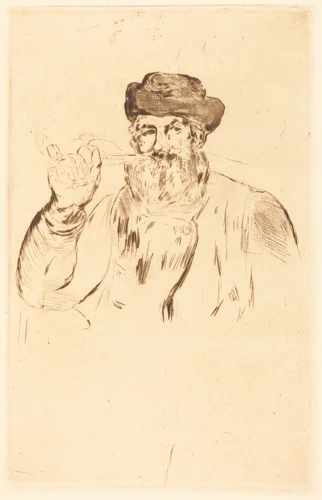
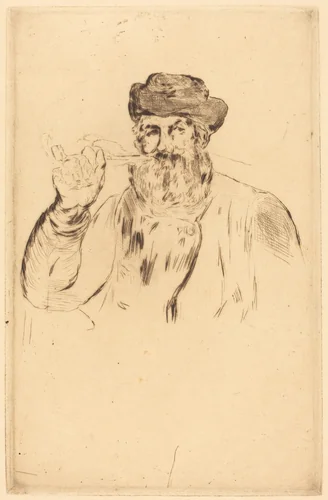
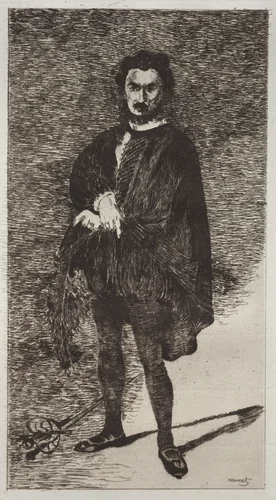
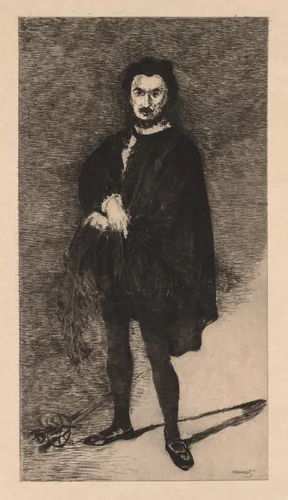
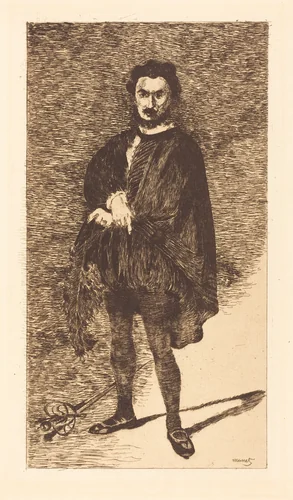
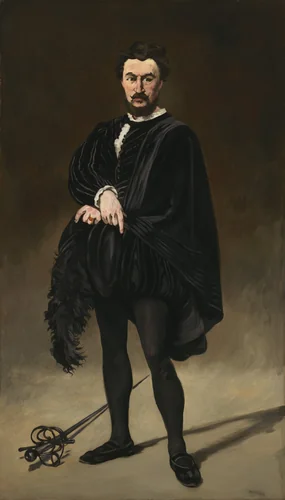
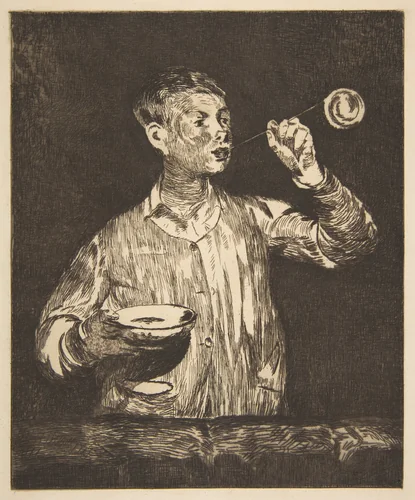
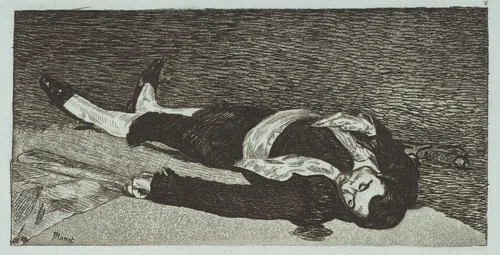
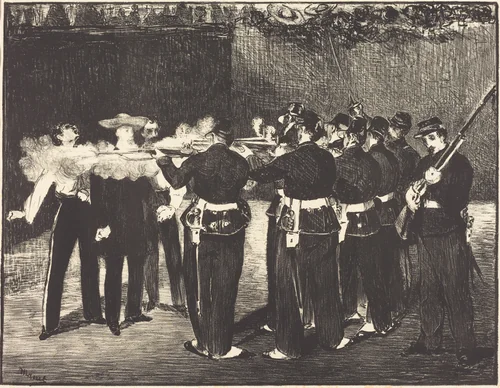
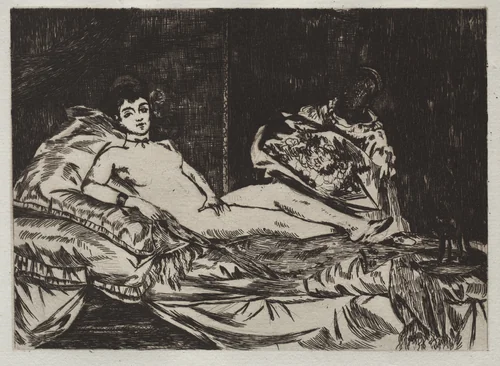
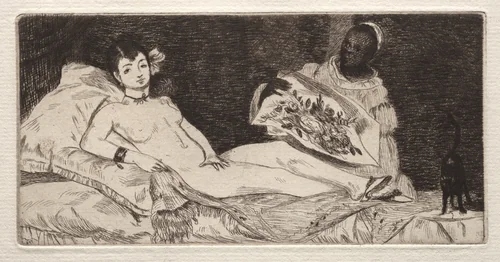
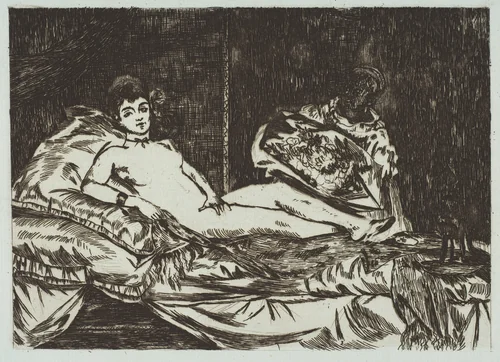
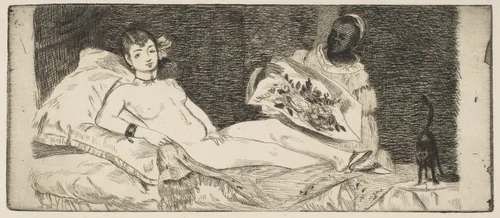
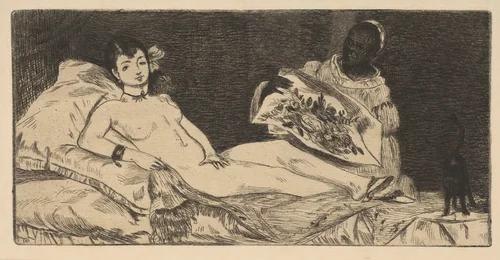
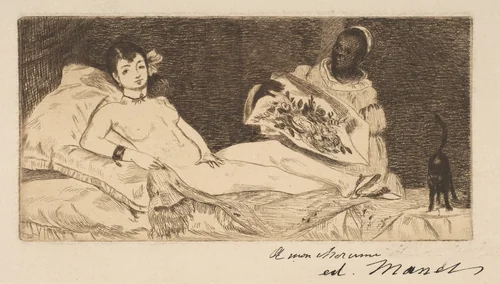
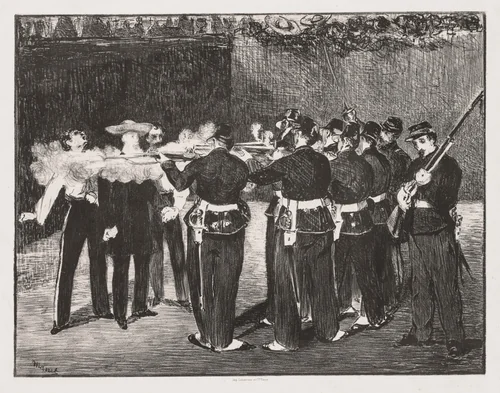
Manet’s technical approach was characterized by a startling flatness of form, bold contouring, and a masterful handling of black, elements that often confounded conservative critics accustomed to the polished finish of academic art. While recognized primarily for his monumental canvases, his prolific activity in the graphic arts, including etchings, transfers, and lithographs, demonstrates a deep engagement with reproduction and visual communication. The versatility of his practice is evident in works spanning media, from detailed preparatory studies like the charcoal Man Wearing a Cloak to comprehensive print compositions such as Au Paradis (In the Balcony). His print output also extended to intellectual commentary, notably his distinctive interpretation of the American writer in Portrait of Edgar Allan Poe, confirming his engagement with contemporary literary culture. It is perhaps the greatest irony of Manet’s career that, while he inspired a generation of artists to abandon the established French Salon, he himself never stopped seeking its formal approval.
Manet’s influence extended far beyond his immediate circle. Though he participated in only one Impressionist exhibition, his works provided the formal and conceptual foundation necessary for the group’s development. His insistence on the integrity of the picture plane and his refusal to romanticize his subjects permanently altered the parameters of painting for succeeding generations. Today, collections of his graphic works and seminal Edouard Manet paintings are central to the holdings of institutions like the Metropolitan Museum of Art and the National Gallery of Art. Due to their cultural significance and age, many of his important studies and reproductions are now in the public domain, offering broad access to historical materials as high-quality prints.
Source: Wikipedia · CC BY-SA 4.0