Edith Miller
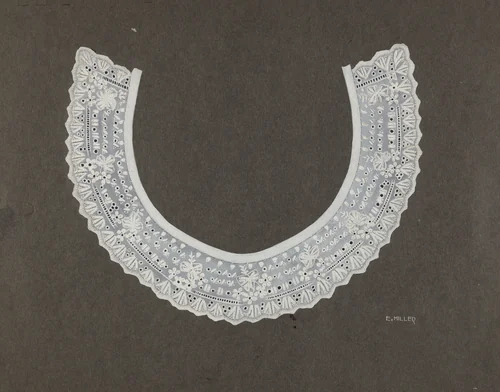
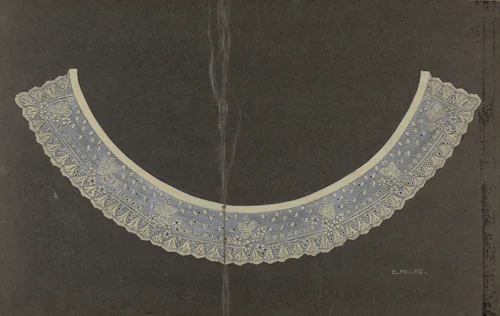
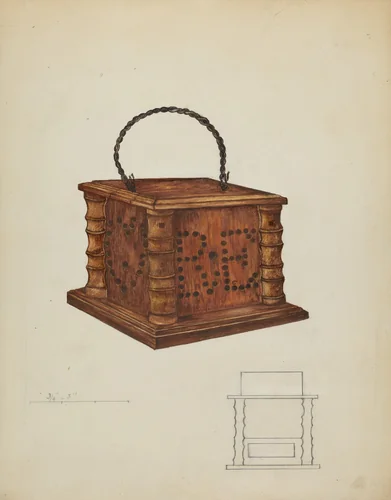
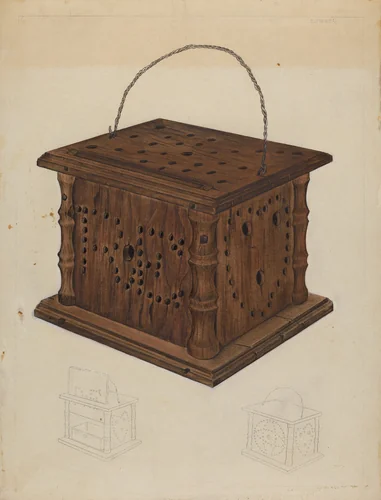
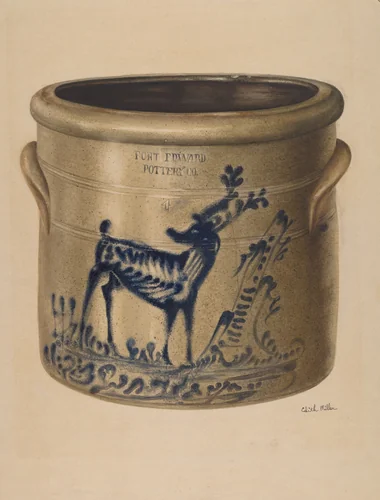
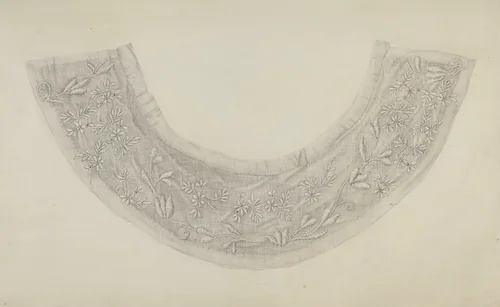
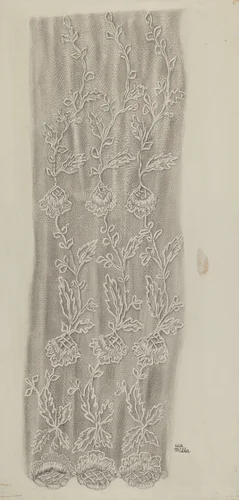
Edith Miller is recognized primarily for her rigorous contributions to the Index of American Design (IAD), a vital project initiated during the Great Depression under the Works Progress Administration (WPA) Federal Art Project. Active specifically between 1935 and 1937, Miller completed fifteen meticulous renderings of historical American decorative arts and folk crafts. These documents, now preserved in the permanent collection of the National Gallery of Art, Washington D.C., serve as indispensable records of artifacts often too fragile or ephemeral to survive the passage of time.
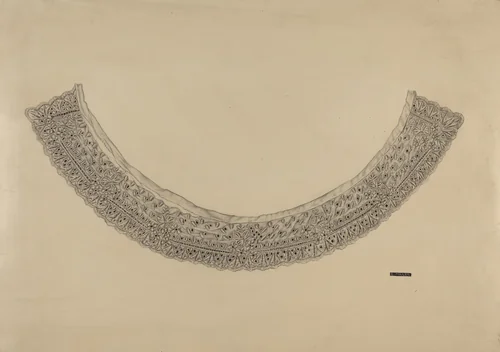
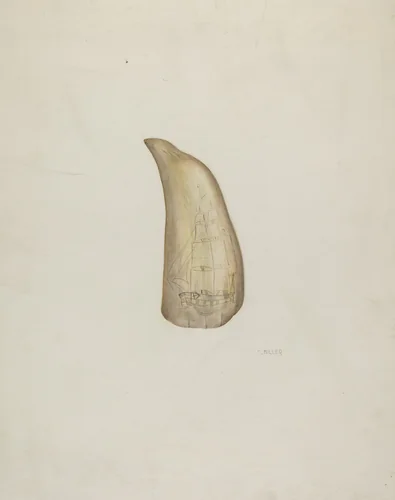
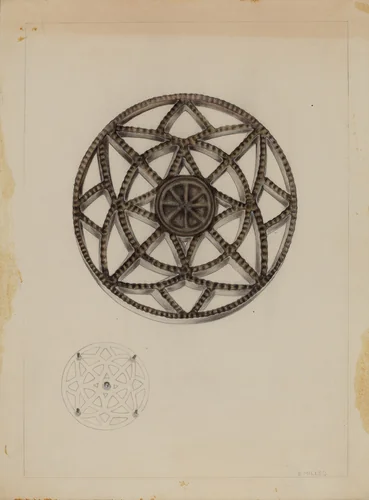
While many personal details regarding Miller’s life remain scarce, common for the thousands of artists and draftspeople employed during the WPA era, her distinct professional identity is firmly established through the precision and scope of her visual documentation. Her work required not only artistic skill but also the technical rigor of archaeological drawing, demanding absolute fidelity to texture, dimension, and historical color palettes. This commitment to accuracy is evident across her portfolio, which ranges widely from intricate textile patterns to utilitarian objects.
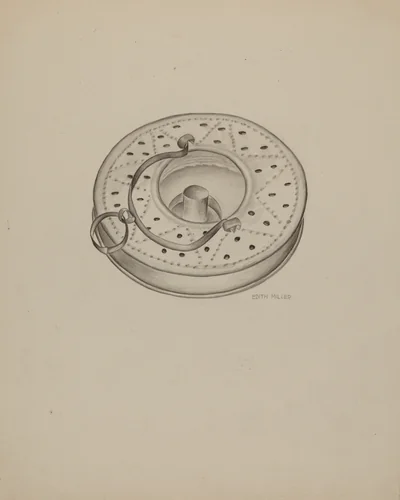
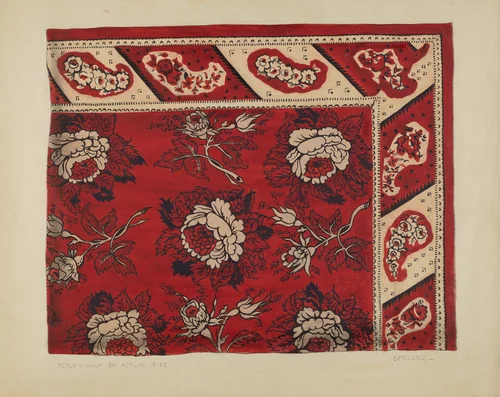
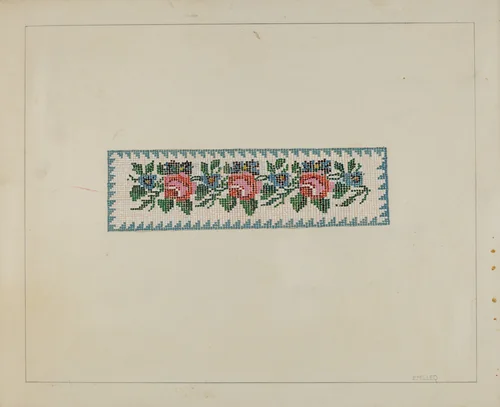
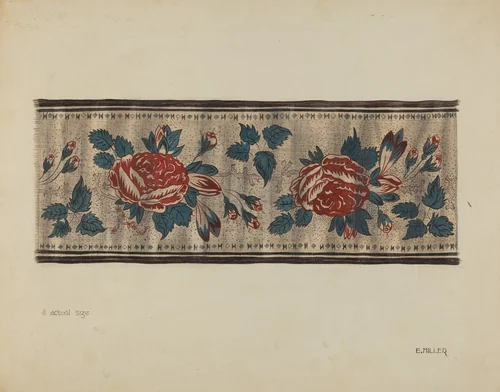
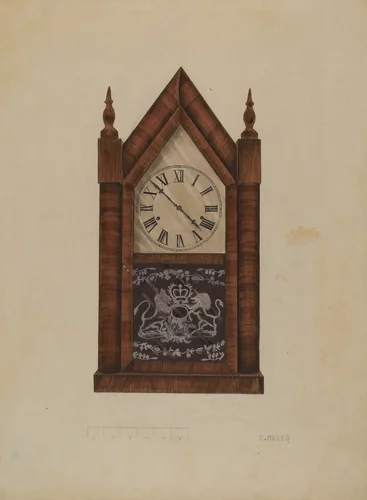
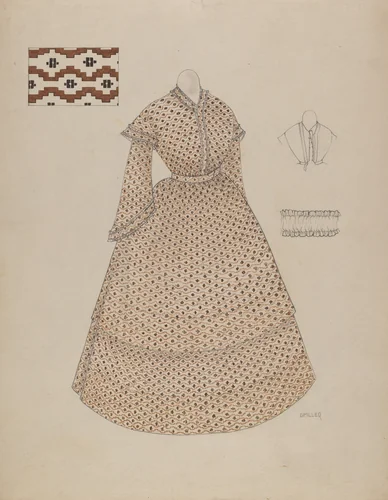
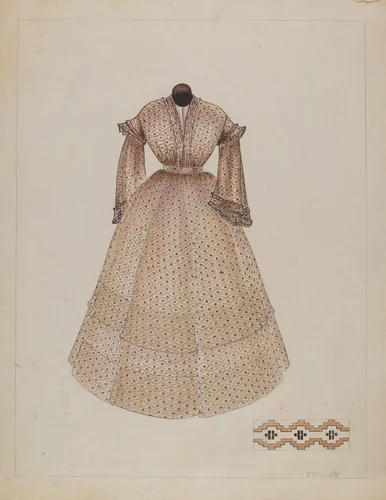
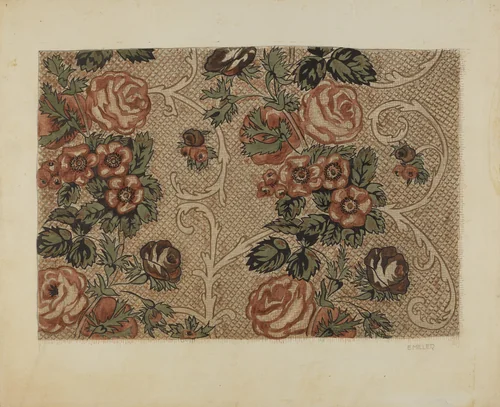
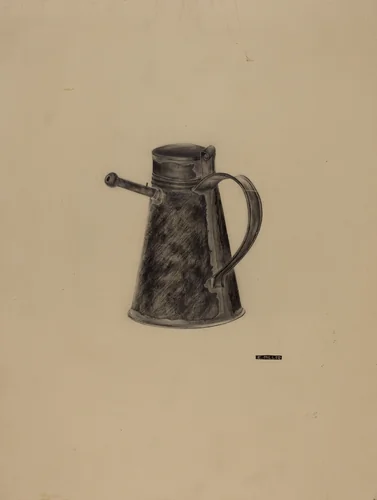
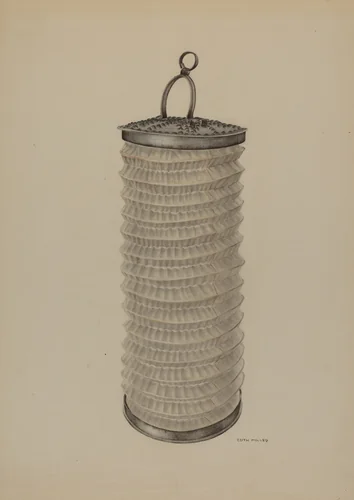
Her documented works include the delicate geometric detail of the Bandanna Handkerchief, the vibrant repeating patterns captured in Chintz Border, and the precise three-dimensional rendering of a colonial-era Clock. Also documented were items illustrating early American industrial craftsmanship, such as the Lantern, alongside smaller, personalized artifacts like the Beadwork Book Marker. These careful studies demonstrate Miller’s adept handling of varied media, likely employing combinations of watercolor, gouache, and graphite to achieve photorealistic clarity.
Miller’s legacy is fundamentally tied to the preservation of visual culture. Her documentation ensured that these artifacts are preserved and available to a broad public. Because the original source materials were created for the U.S. government, these high-quality prints and studies are widely available today, providing scholars and designers alike with access to invaluable museum-quality records of American heritage. The enduring value of the Index of American Design rests upon the anonymous dedication of artists like Miller, whose systematic effort ensured that the beauty and ingenuity of historical American craft remain accessible as royalty-free records for future generations.
Source: Wikipedia · CC BY-SA 4.0