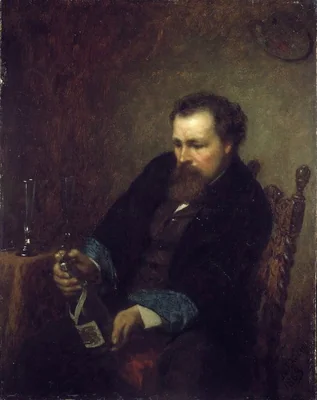
Eastman Johnson
Jonathan Eastman Johnson occupies a central, dual role in 19th-century American art history: as a leading painter of evocative genre scenes and intimate portraits, and as a key institutional founder of the Metropolitan Museum of Art in New York City. His name is permanently inscribed at the institution’s entrance, reflecting a commitment to establishing American cultural infrastructure that matched his rigorous pursuit of naturalistic painting.
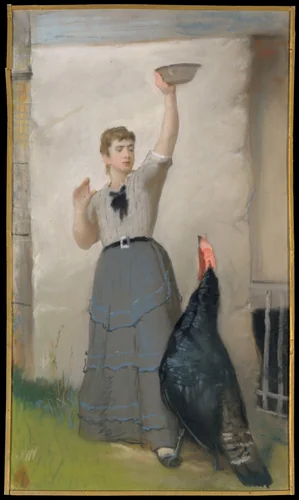
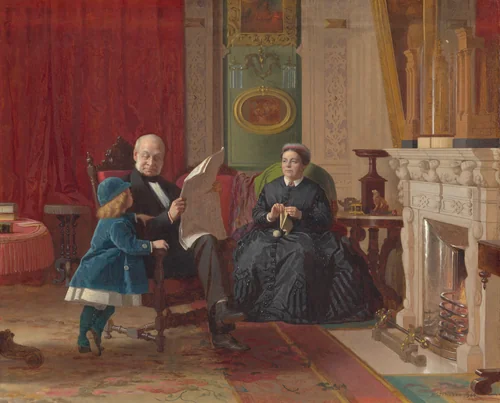
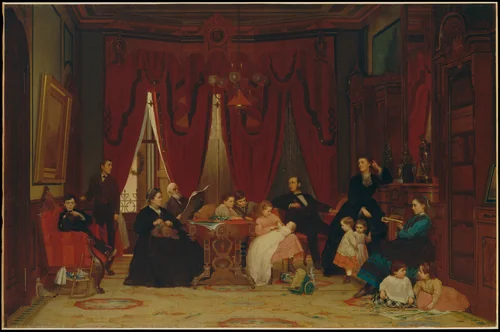
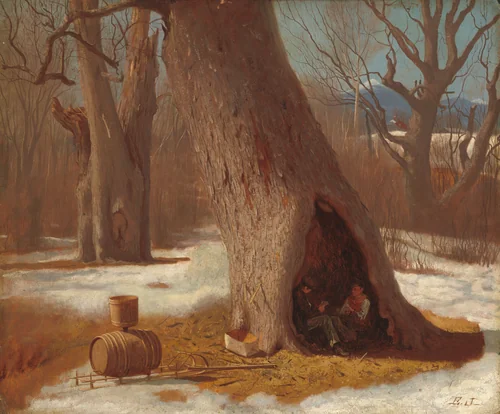
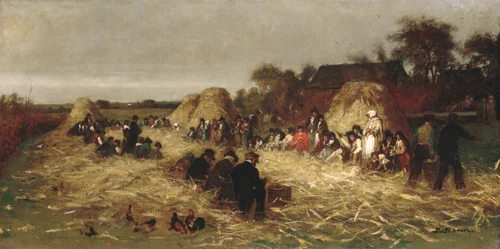
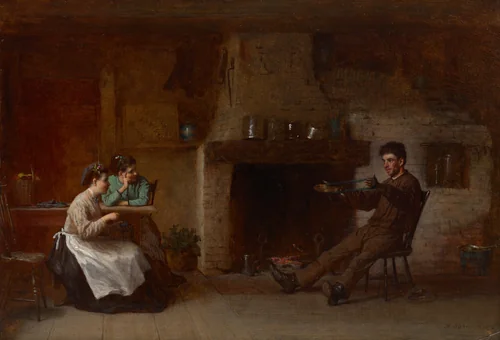
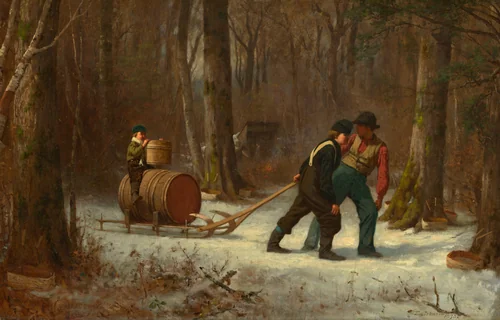
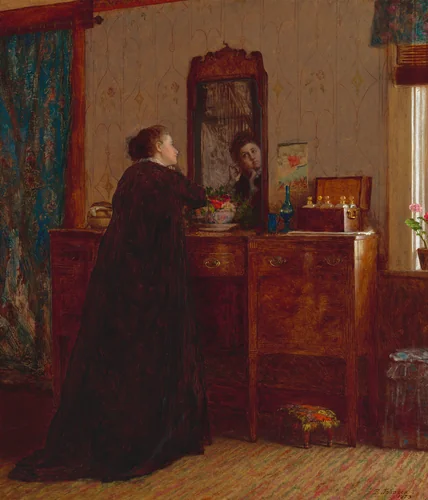
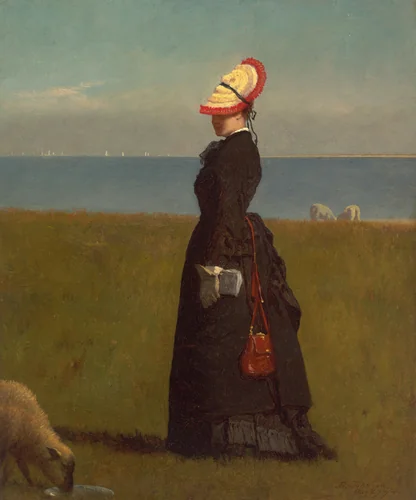
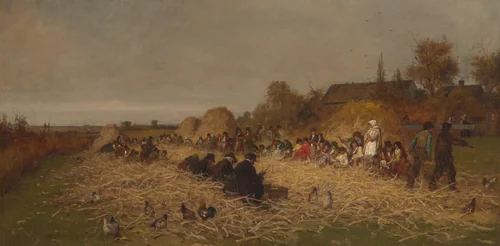
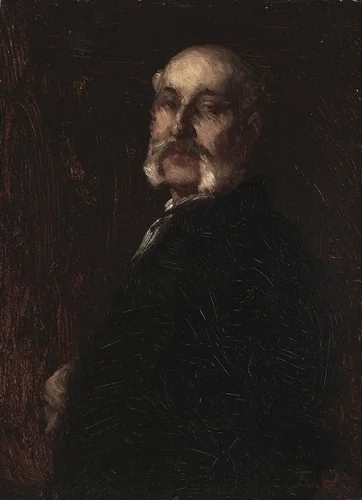
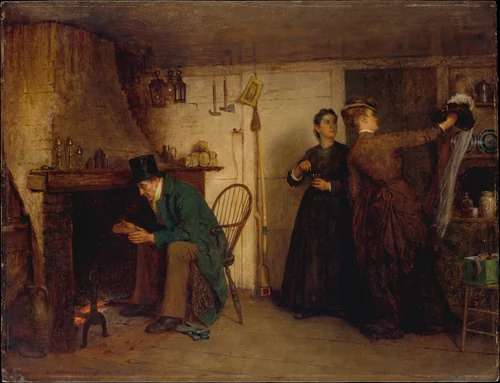
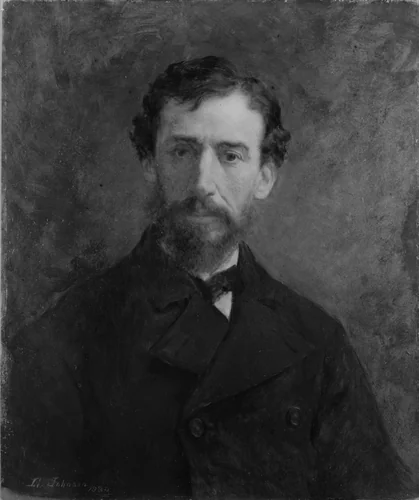
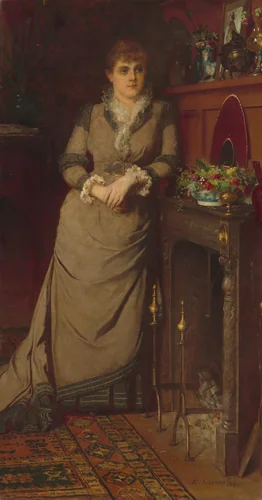
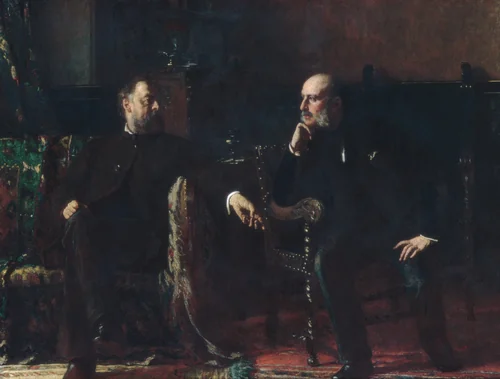
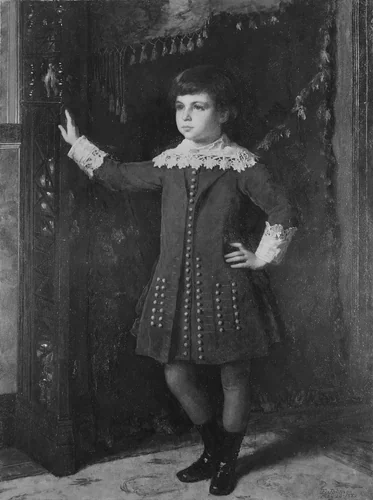
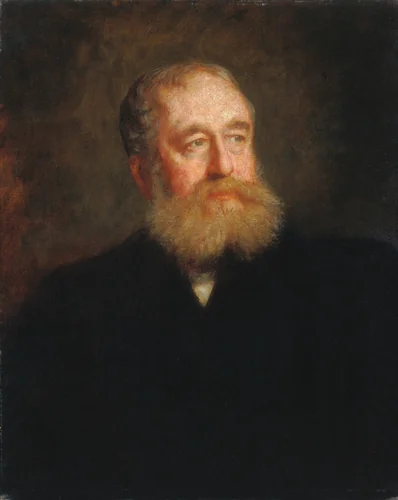
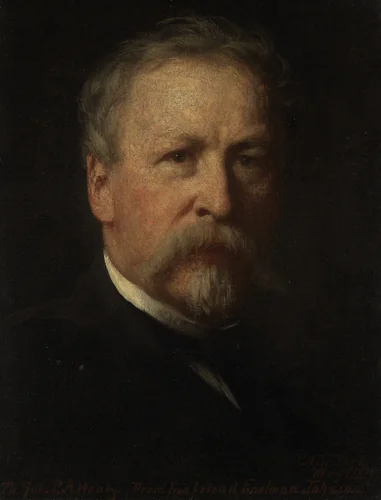
Johnson built his early reputation primarily upon highly detailed genre paintings, capturing scenes from everyday life. Unlike many contemporaries who prioritized historical or mythological subjects, Johnson focused his keen observational skills on domesticity and the evolving American character. Alongside scenes of quotidian existence, he secured commissions for portraits of the era’s most distinguished figures, including Abraham Lincoln, Nathaniel Hawthorne, Henry Wadsworth Longfellow, and Ralph Waldo Emerson. Works such as Portrait of a Young Man and his studies of prominent Americans like Grover Cleveland demonstrate his ability to render both character and likeness with exacting precision.
Johnson was highly ambitious, leveraging international study to refine his technique. In the 1850s, he traveled extensively, notably settling in The Hague to study the 17th-century Dutch masters. This European sojourn deeply influenced his later work, introducing profound shifts toward chiaroscuro and atmospheric depth. The dramatic effects he achieved in light and shadow led contemporary critics to dub him ‘The American Rembrandt.’ While such comparisons are often hyperbolic in art criticism, in Johnson’s case, the title speaks directly to the quality and influence found in his high-quality prints and paintings, suggesting a stylistic depth rarely seen in American academic painting before the Civil War.
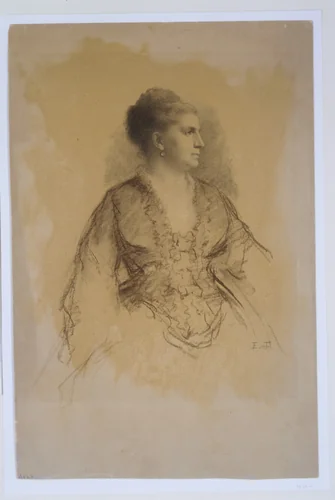
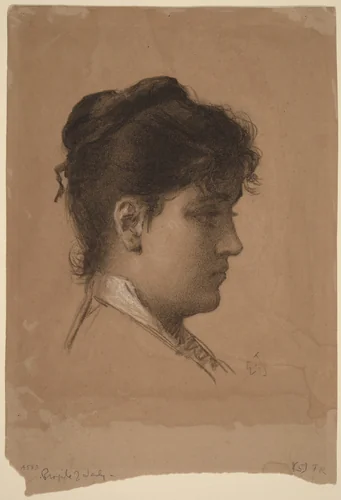
Johnson’s compositions, ranging from detailed sketches like Seated Study of M.D. to completed canvases, are cornerstones of major collections today, housed at institutions including the Metropolitan Museum of Art, the Cleveland Museum of Art, and the Art Institute of Chicago. Much of his extensive oeuvre, particularly his drawings and prints, has entered the public domain. This accessibility ensures that scholars and enthusiasts worldwide can secure royalty-free access to many Eastman Johnson prints and further appreciate the complex technical skill of this foundational American master.
Source: Wikipedia · CC BY-SA 4.0