Duval
Duval, a designation applied to a distinctive body of seventeenth and eighteenth-century graphic art, denotes a creator or, perhaps more accurately, a highly successful workshop active across the extremely long span of 1600 to 1771. While the precise biography of the artist or artists remains elusive, the artistic output is anything but ephemeral, represented today in definitive international holdings, including the collections of the Rijksmuseum and the Metropolitan Museum of Art. The consistent inclusion of these works in such venerable institutions speaks directly to the inherent museum-quality of the production.
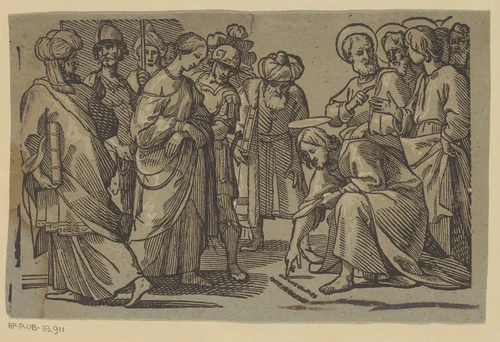
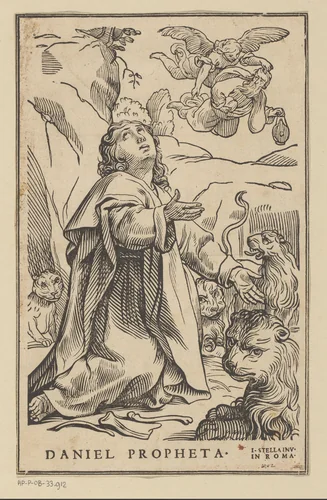
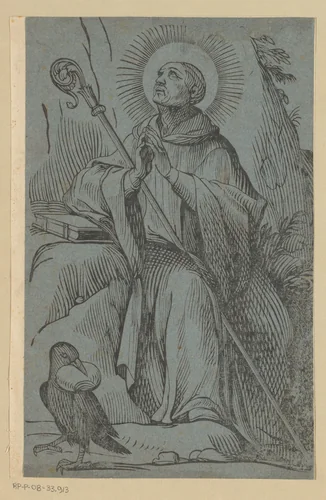
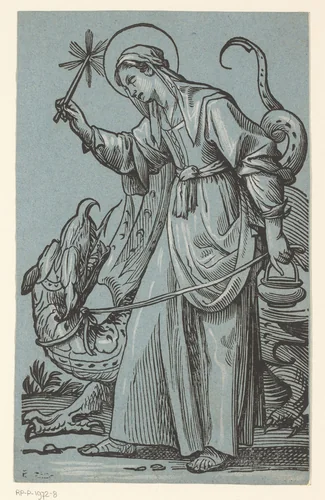
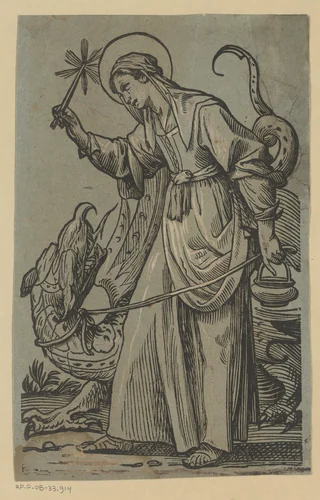
The known corpus consists primarily of carefully executed prints centered resolutely on significant scriptural and hagiographical themes. These include the theological severity of Christus en de overspelige vrouw and the dramatic tension found in Daniël in de leeuwenkuil. Complementing these narratives are devotional studies focused on key figures of faith, such as Heilige Benedictus and the detailed portrayal of Heilige Martha van Bethanië. The technical mastery evident in these images demonstrates an adherence to refined copperplate engraving techniques, aligning the works stylistically with the late Baroque and early Rococo periods. These high-quality prints played a critical function in their time, distributing important religious imagery and acting as crucial models for artistic interpretation across Europe.
The surname itself, deriving literally from the French phrase “of the valley,” echoes the long, geographically dispersed history of the Norman "Devall," which has variant spellings and ties stretching from the French town of Deville, Ardennes, to its earliest recording in the English Domesday Book. It is perhaps fitting that the sheer historical breadth of the name Duval mirrors the extraordinary 171-year period assigned to the artist’s activity, a chronological anomaly that strongly suggests the attribution encapsulates a dynasty or collaborative effort rather than a single individual. This collective identity allowed the work, rather than the personality of the maker, to endure.
Today, these seminal examples of early modern graphic arts continue to be studied and admired. Having transitioned into the public domain, much of this work, including many royalty-free images, is widely available as downloadable artwork, ensuring that the legacy of Duval remains accessible for contemporary scholarship and enjoyment.
Source: Wikipedia · CC BY-SA 4.0