Dutch
The artistic tradition referred to broadly as Dutch encompasses the substantial, multidisciplinary visual culture originating from the historical and contemporary region associated with the Netherlands, its people, and the Dutch language. Active across a vast timeline, roughly spanning the 15th through the 19th centuries, this collective body of work is distinguished by its technical mastery, profound attention to domesticity, and pioneering realism.
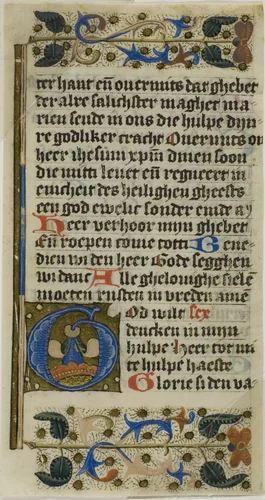
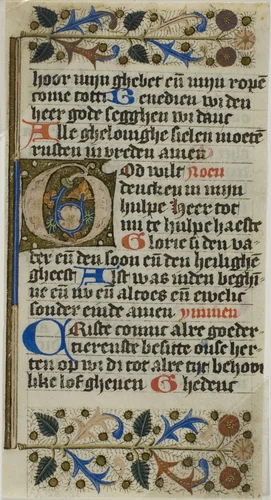
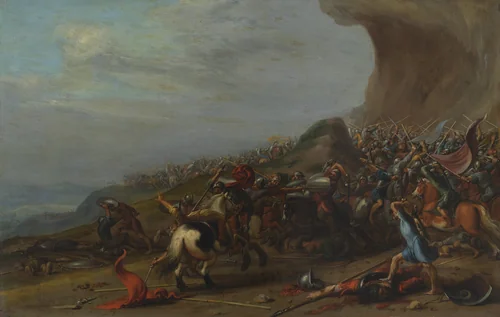
The early foundations of Dutch visual culture are evident in the detailed craftsmanship applied to religious and scholastic manuscripts. Works such as the Illuminated Initial "G" from a Bible Historiale and the corresponding Illuminated Initial "G" from a Prayerbook demonstrate an acute facility for miniature painting and decorative clarity, crucial for articulating both faith and the emerging standardization of the vernacular language. This meticulous approach transitioned seamlessly into larger narrative formats, often characterized by intense drama and focused human action, exemplified by compelling scenes like David Slaying Goliath.
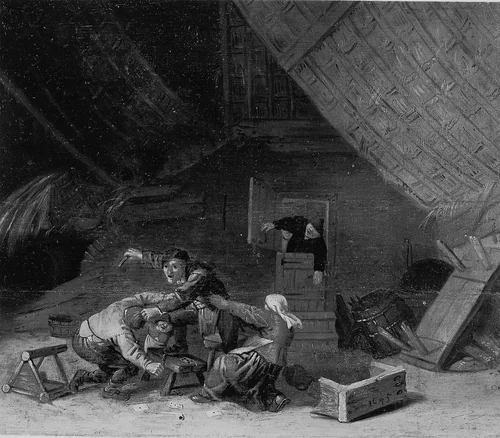
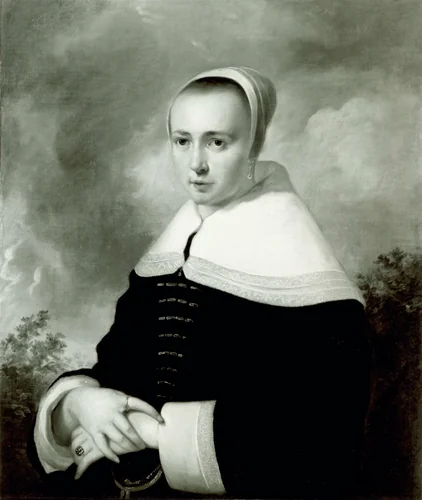
Over the centuries, the Dutch school profoundly impacted European painting by championing the ordinary. Moving away from purely aristocratic or mythic subjects, the tradition developed a deep commitment to genre painting and portraiture that elevated the everyday citizen and commonplace activities. The intimate yet psychologically revealing nature of the Portrait of a Woman captures the sober dignity of the northern sitter, while scenes like Peasants Fighting over Cards offer sharp, humorous, and sometimes critical observations on social life. It is perhaps this dedication to recording the unvarnished realities of the home and market, rather than seeking grand idealization, that makes Dutch paintings so enduringly popular.
Today, the historic influence of the Dutch tradition is measured by its substantial presence in major global institutions, including the Art Institute of Chicago. The legacy continues to inspire study and appreciation, and thankfully, a vast array of this material is now in the public domain. This means that many exceptional works, from detailed initials to complex genre scenes, are frequently accessible as high-quality prints and downloadable artwork, offering students and enthusiasts continued access to this rich, culturally defined heritage.
Source: Wikipedia · CC BY-SA 4.0