Dr. John Murray
Dr. John Murray was a photographer active during the mid-nineteenth century, documented specifically within the years 1853 to 1865. His significant photographic output focused primarily on documenting the historic architecture and major monuments of India, placing him among the foundational figures in early South Asian photography.
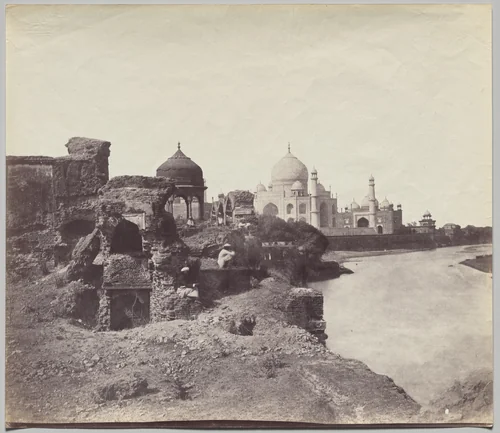
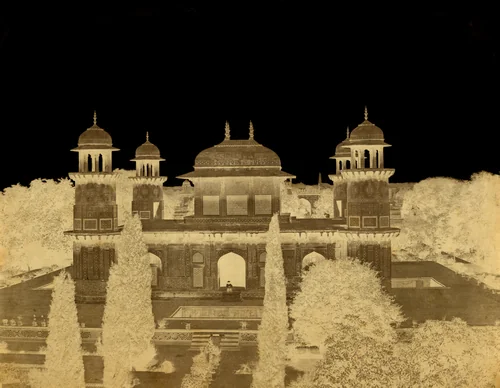
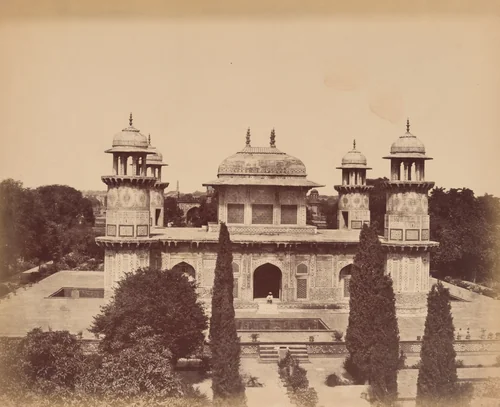
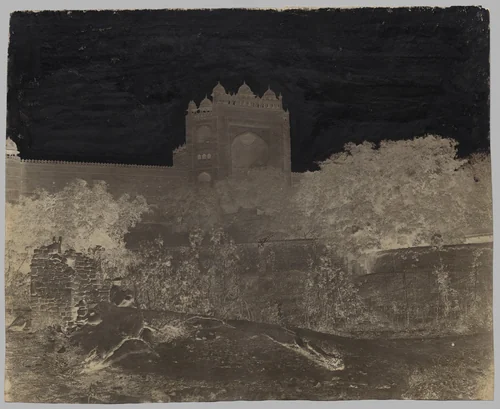
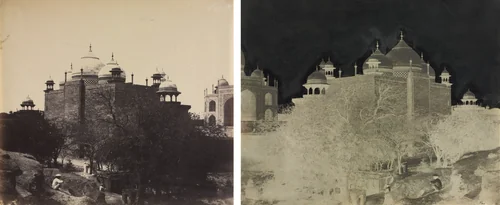
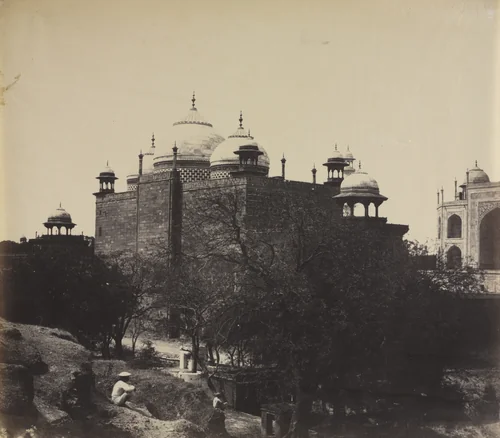
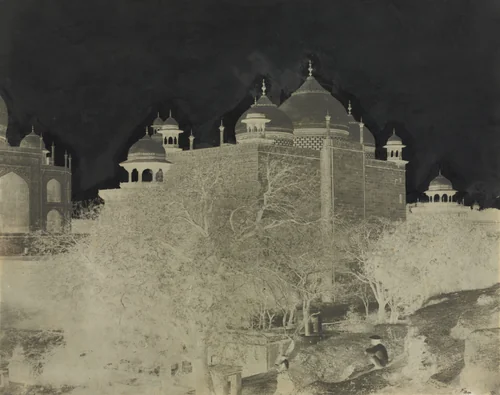
Eight of Murray’s photographs are represented in major museum collections, establishing the historic and museum-quality nature of his work. These holdings are preserved in institutions such as the Art Institute of Chicago and the Cleveland Museum of Art. His subjects include comprehensive architectural studies of major Mughal landmarks. Key documented images include The Taj Mahal, The Tomb of Itimad-ud-Daulah, and Buland Darwaza with Figure. Specific compositions, such as Taj Mahal, Back View of the Rest-House, with Figure, sometimes incorporated figures to provide scale to the immense structures he documented.
As primary photographic documentation from this era, many of Dr. John Murray prints are considered essential records of mid-century British India. Due to their age, these historical works are widely considered to be in the public domain, making them available for study. These original photographic studies are frequently reproduced today to create high-quality prints for researchers and collectors.