Dosso Dossi
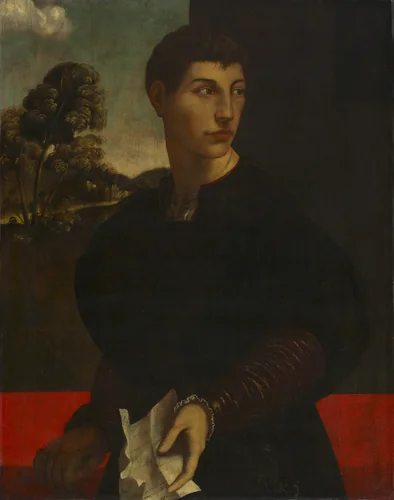
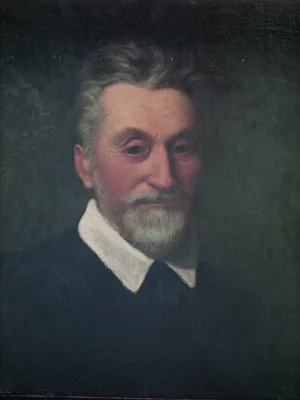
Giovanni di Niccolò de Luteri, known to history as Dosso Dossi, stands as the preeminent master of painting in the Ferrarese Renaissance. Active professionally for a concentrated period primarily between 1512 and 1525, Dossi served the powerful Este court, crafting an inventive and highly sophisticated style that distinguished him from his contemporaries in central Italy.
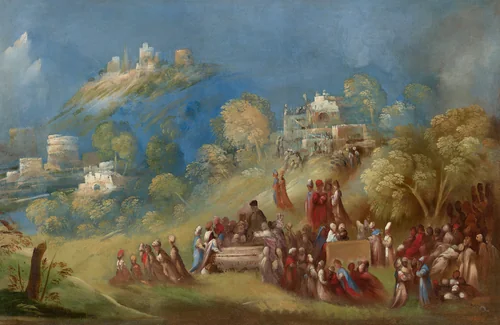
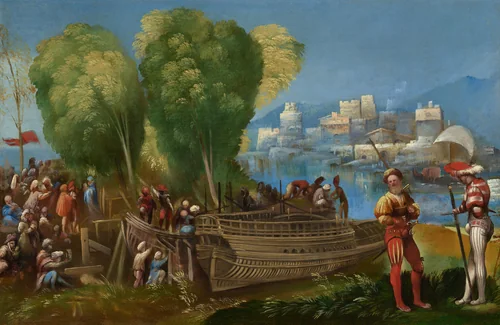
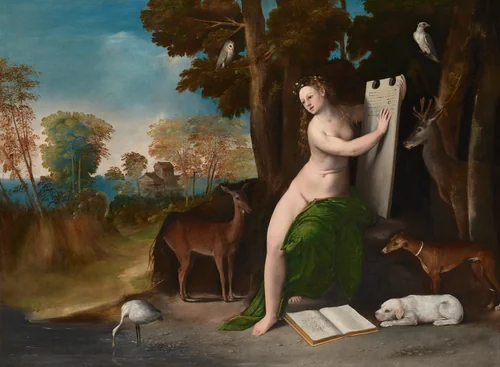
Though categorized within the School of Ferrara, Dossi’s distinctive visual language derived its force and character primarily from the luminous tradition of Venetian painting. He synthesized the lyrical, deeply atmospheric approach of Giorgione with the burgeoning chromatic dynamism seen in the early works of Titian. This intellectual cross-pollination resulted in compositions known for their rich coloring, dramatic shifts in illumination, and a persistent interest in narrative ambiguity, lending many of his mythological and allegorical works an elusive, poetic quality.
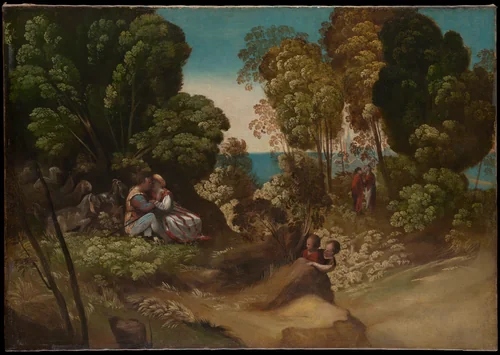
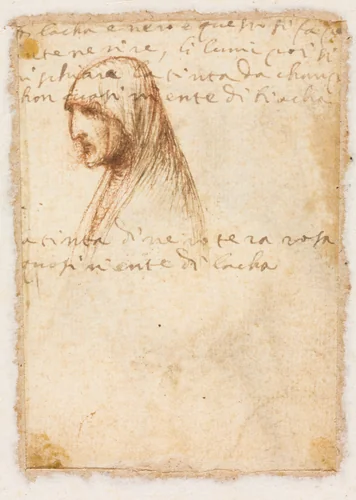
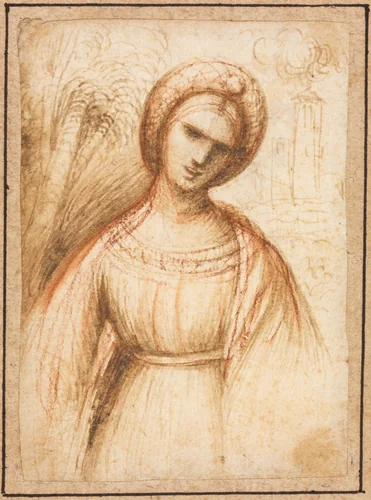
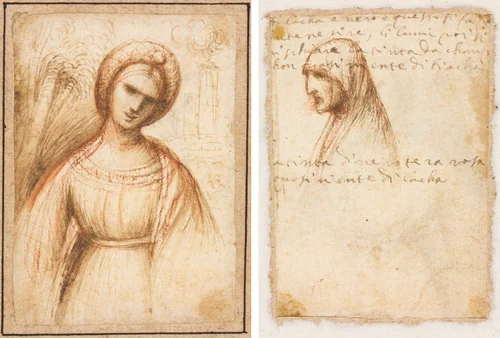
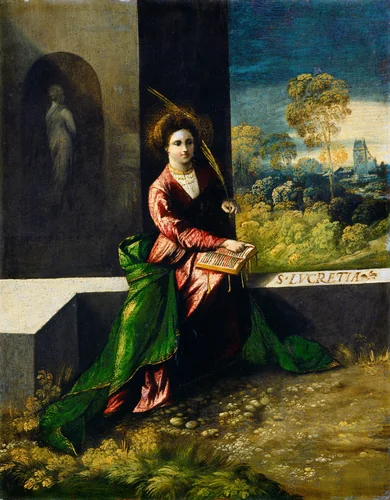
His extant oeuvre, comprising important works such as The Three Ages of Humans and the devotional panel Saint Lucretia, demonstrates a compelling mastery of both complex figure groupings and emotionally charged landscapes. A fascinating detail of his career lies in his consistent skill across formats; while his large allegories defined the taste of the Este ducal residences, small-scale works reveal acute technical skill. This is evident in the remarkable study Lady in a Landscape (recto); Bust-Length Profile of an Old Woman (verso), which showcases his ability to transition swiftly between idealized portraiture and sharp, observational character study.
One curious aspect of Dossi’s biography is the apparent speed of his ascent; unlike many artists of the period, the records of his formal training are virtually nonexistent, suggesting he emerged into the court environment a painter of immediate and profound competence.
Dossi’s relatively brief but brilliant tenure cemented his place as a foundational figure whose influence lasted well beyond his active years. His Dosso Dossi paintings are now prized holdings in international venues, including the National Gallery of Art and the Metropolitan Museum of Art. For scholars and enthusiasts seeking deeper engagement with the artist’s unique contribution, many images of his key works are readily available for study; high-quality prints derived from institutional digitization projects are increasingly common in the public domain.
Source: Wikipedia · CC BY-SA 4.0