Dorothea Lange
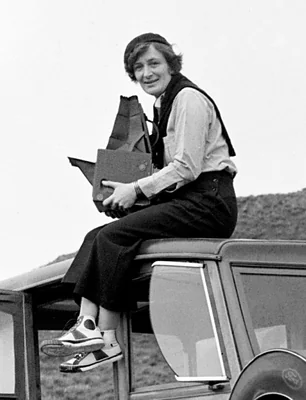
Dorothea Lange (1895-1965) is a foundational figure in American documentary photography and photojournalism, whose work established the visual vocabulary for social empathy in the 20th century. Her commitment to the medium transformed the way a nation understood its own economic and social crises.
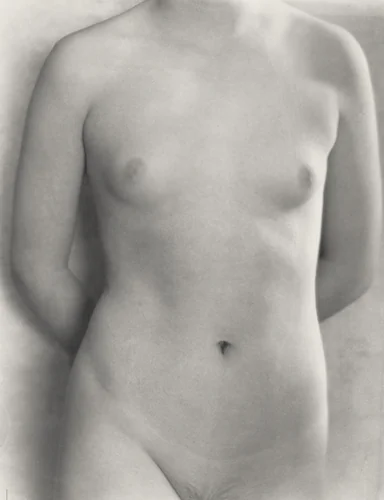
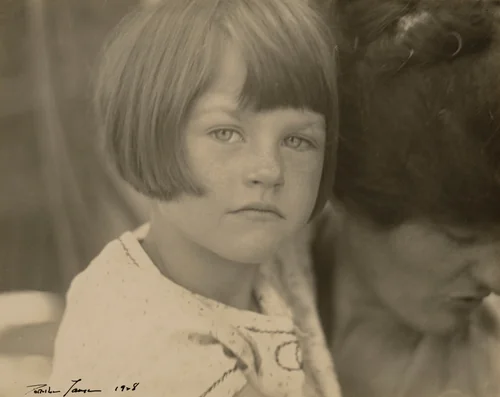
Though Lange began her career as a highly successful portrait photographer operating a commercial studio in San Francisco starting around 1915, the economic collapse of the Great Depression fundamentally shifted her focus. Her early works, such as the focused studio study Torso, San Francisco or the intimate group portrait Frances and Gertrude Clausen, Oakland, demonstrate a mastery of light and composition. However, beginning in the early 1930s, Lange turned her lens outward, transitioning from capturing the wealthy elite to documenting the visible social collapse unfolding on the streets of her own city.
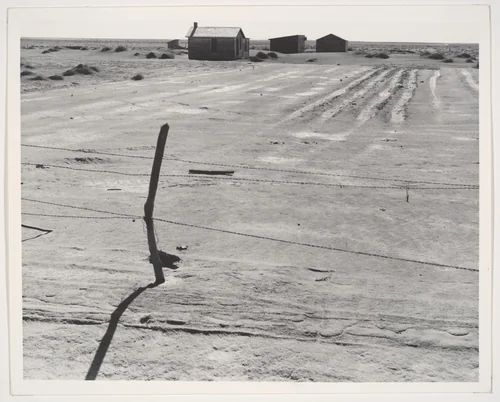
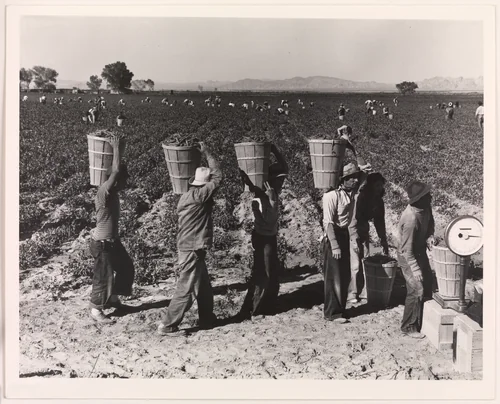
This commitment to documenting poverty led to her critical engagement with the federal government. Lange’s major period of influence occurred between 1935 and 1939, during her tenure with the Farm Security Administration (FSA). She created the definitive visual body of work for the organization, capturing the plight of migrant workers, displaced farmers, and the impoverished rural population. Her photographs did more than merely record economic hardship; they humanized the devastating consequences of the national crisis, giving dignity and voice to those often marginalized.
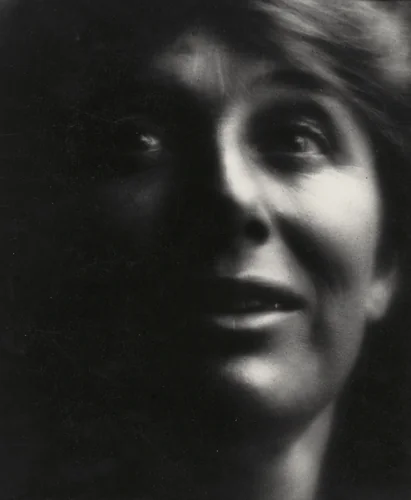
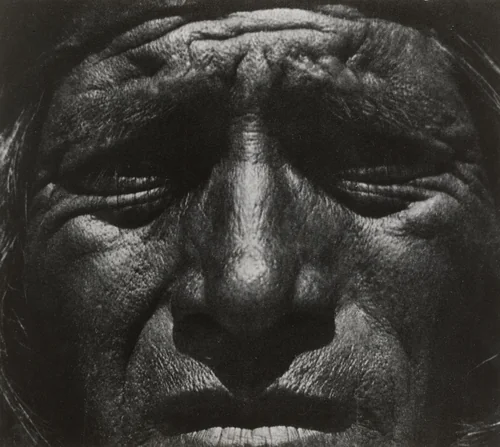
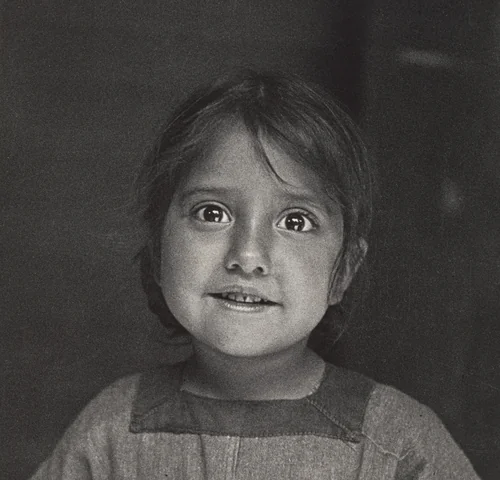
The influence of her FSA portfolio was immediate and enduring, fundamentally shaping the development of documentary photography as a serious medium for policy change and public awareness. This era produced many of her most recognizable images, including powerful portraits like Hopi Indian, New Mexico and Mexican-American, San Francisco. Lange’s aesthetic innovation rested on combining the formal rigor of her early studio training with an uncompromising, empathetic gaze. The result was a set of images distinguished by their museum-quality clarity and profound emotional resonance.
Today, Lange’s historical significance is cemented through her presence in major institutional holdings, including the Museum of Modern Art, the Metropolitan Museum of Art, and the National Gallery of Art. Her vast body of work is now frequently accessed through collections providing royalty-free and downloadable artwork, allowing her indelible record of the 1930s to remain globally accessible. It is perhaps telling that Lange, despite her powerful and often painful subject matter, maintained that a camera was a wonderful instrument for teaching people how to see without a camera.
Source: Wikipedia · CC BY-SA 4.0