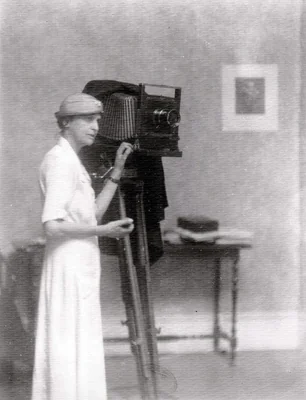
Doris Ulmann
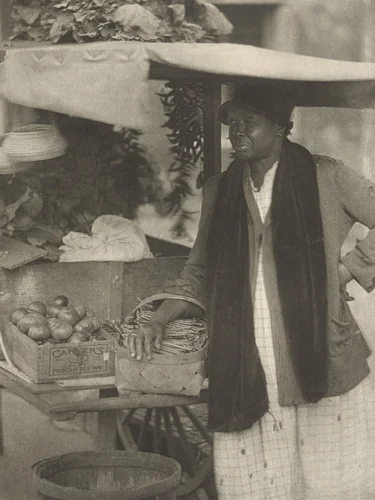
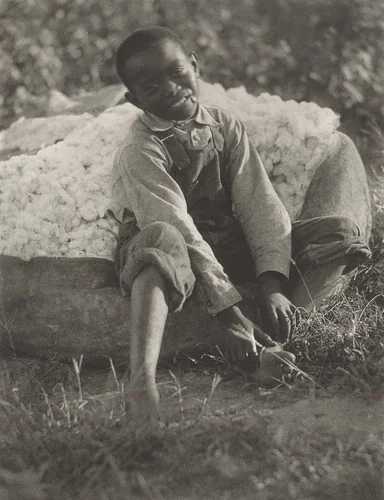
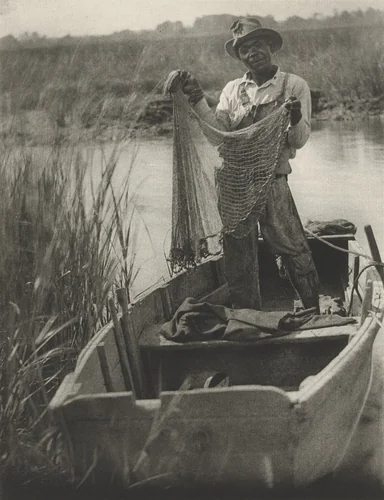
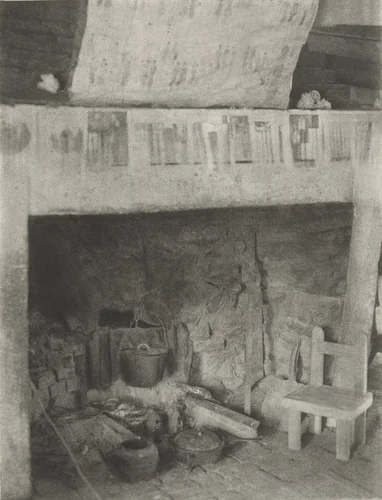
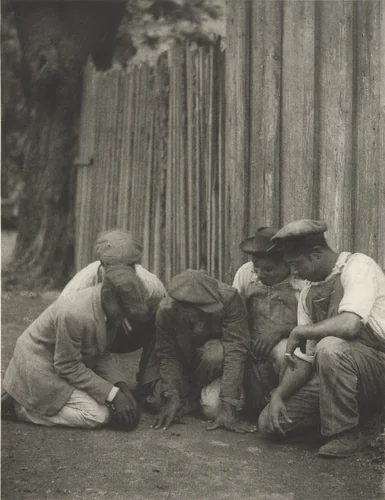
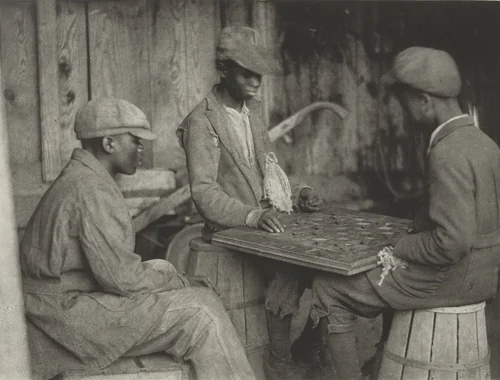
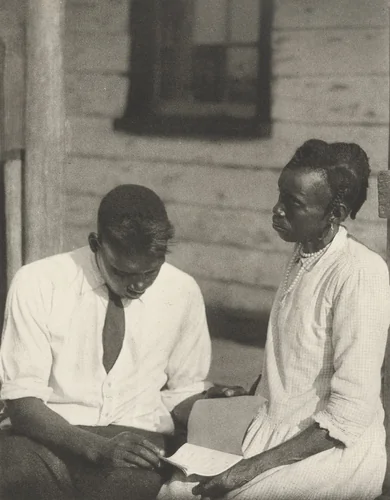
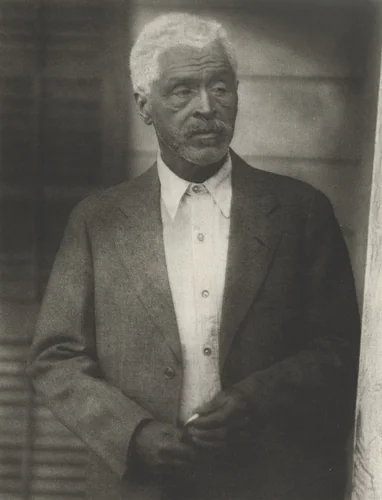
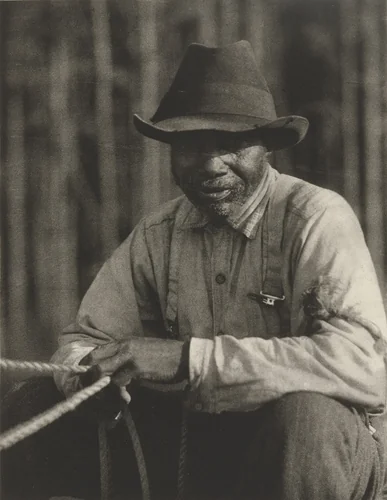
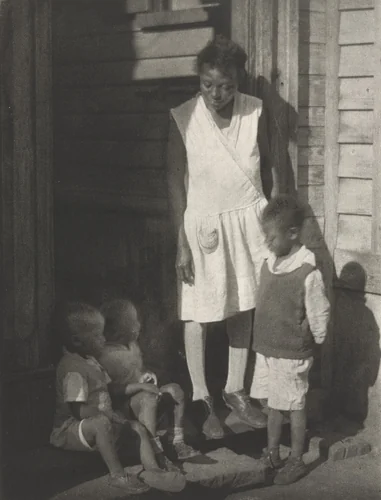
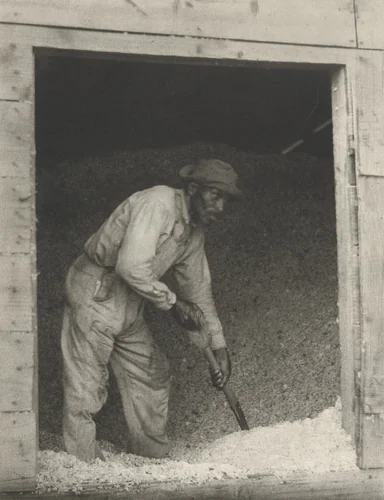
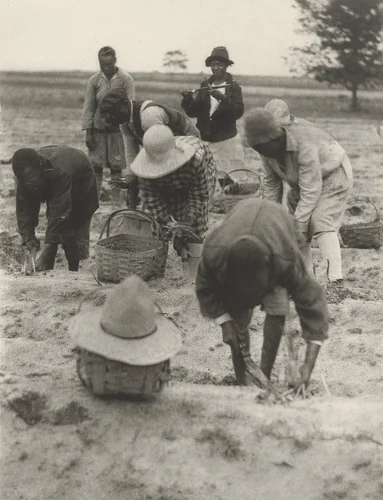
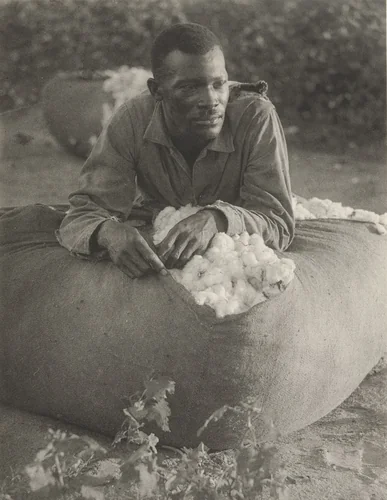
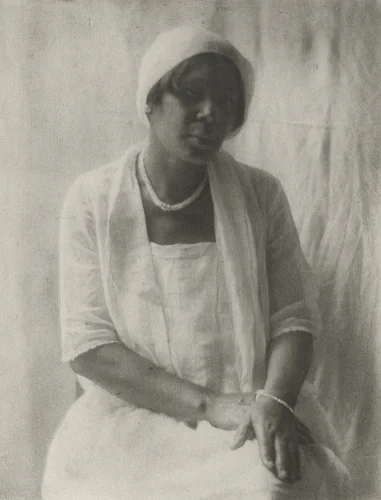
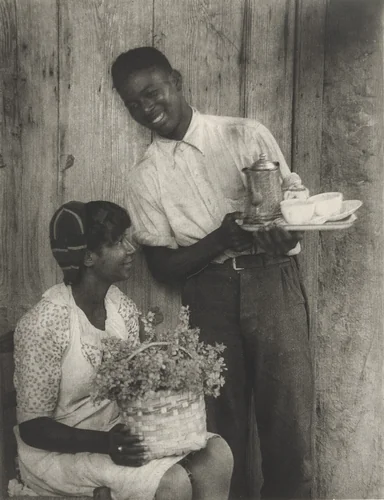
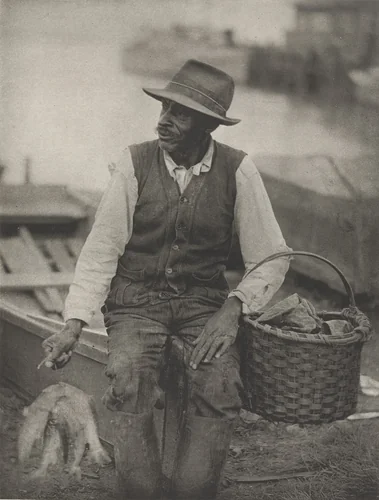
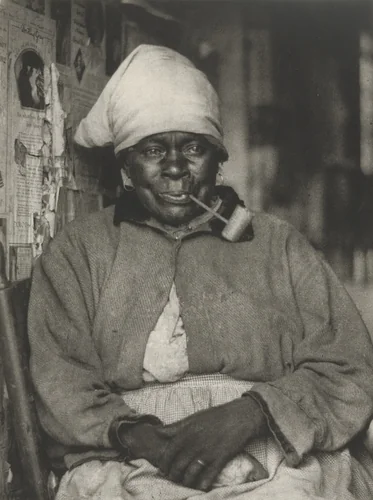
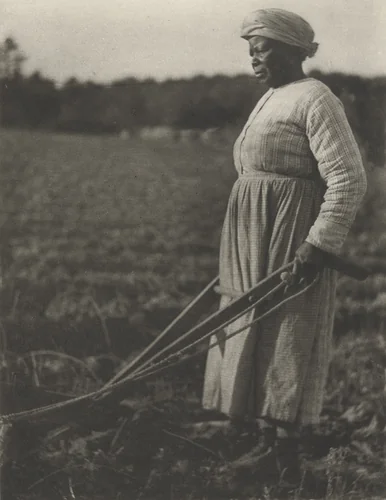
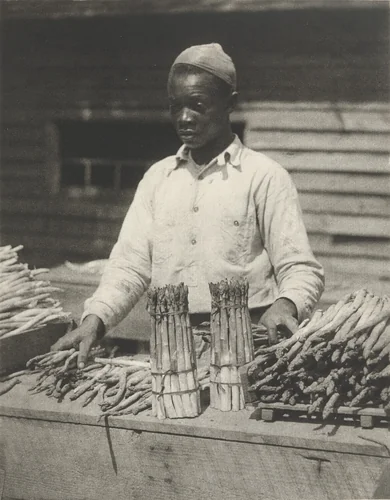
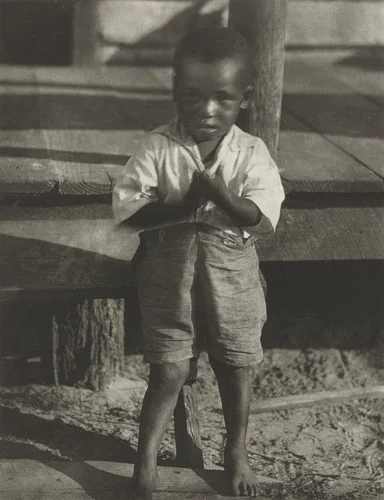
Doris Ulmann (1882-1934) is counted among the most significant American portrait photographers of the early twentieth century, known primarily for capturing the often-disappearing ways of life in the rural South and Appalachia. Active during a crucial transitional period for documentary photography, Ulmann brought a distinctively formal, nearly painterly sensibility to her subjects, utilizing large format cameras that demanded cooperation and reverence from those she photographed.
Trained initially in the aesthetic tenets of Pictorialism, Ulmann maintained a preference for soft focus, deep tonal ranges, and the rich complexity inherent in platinum and silver prints. This technical choice lent her images a distinct visual weight and museum-quality that distinguishes her work from the strictly journalistic approaches emerging at the time. She traveled extensively, focusing her lens on the inhabitants of the South Carolina Sea Islands, the mountainous regions of Appalachia, and various religious communities between 1928 and her death. Her focused database works, such as The Scythe and the searing document The Chain Gang, South Carolina, exemplify her dedication to depicting traditional American labor and community life with profound dignity.
Ulmann’s most recognized collaboration was with writer Julia Peterkin, resulting in the influential 1933 volume, Roll, Jordan, Roll. This collaborative project provided a powerful visual and written record of the Gullah people of the South Carolina Lowcountry, culminating in images like PETERKIN: ROLL, JORDAN, ROLL. Interestingly, despite working extensively in rough terrain and frequently traveling by customized vehicle and even mule train, Ulmann rarely abandoned her formal Fifth Avenue attire, often photographing her subjects while impeccably dressed and wearing white gloves. This steadfast adherence to personal convention speaks volumes about the focused dedication she applied to her craft regardless of geographical locale.
Though her productive period was tragically brief, Ulmann’s commitment to preserving the likenesses of traditional American life ensures her enduring relevance. Her originals are preserved in major institutions, including the Museum of Modern Art. As her works increasingly transition into the public domain, scholars and enthusiasts are finding access to Doris Ulmann prints widely available through collections offering high-quality prints, further cementing her reputation as a vital, authoritative contributor to American cultural heritage.
Source: Wikipedia · CC BY-SA 4.0