Donato Creti
Donato Creti (1595-1671) stands as a foundational Italian painter in Bologna, operating during a crucial period when the decorative exuberance of the late Baroque and Rococo was beginning to yield to the intellectual demands of Neoclassicism. His significance lies not in embracing the prevalent ornamental trends of his time, but rather in anticipating the formal and structural priorities of the coming century. His works are held in prestigious international collections, including the Metropolitan Museum of Art and the National Gallery of Art, affirming their lasting museum-quality relevance.
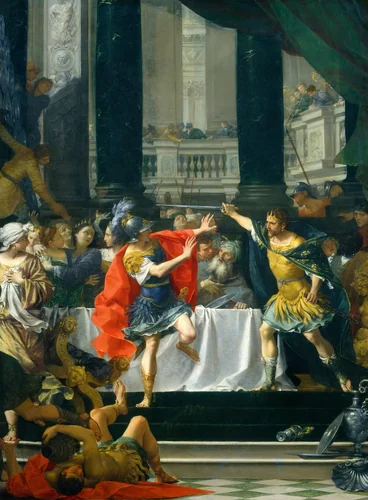
Creti's style was marked by a decisive move toward classical formality. The eminent art historian Rudolf Wittkower described him as the "Bolognese Marco Benefial," an assessment that highlights Creti’s deliberate choice of a less decorative, more disciplined aesthetic. His output moved beyond typical Rococo sensibilities, achieving an academicized ‘grand style’ characterized by highly structured compositions and figures that possess a distinct, almost manneristic Neoclassicism. This formality is evident in the crisp and often cool modeling of the human form, where clarity of contour and cool tonal precision take precedence over dramatic flourish.
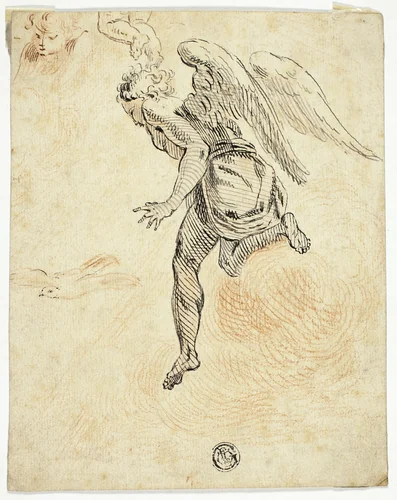
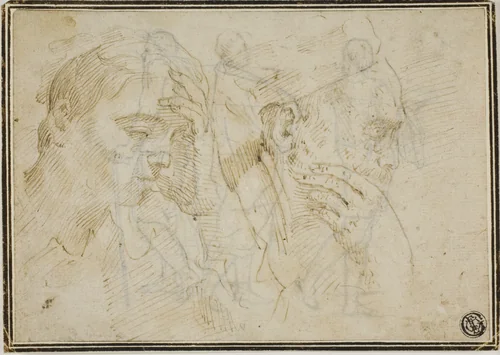
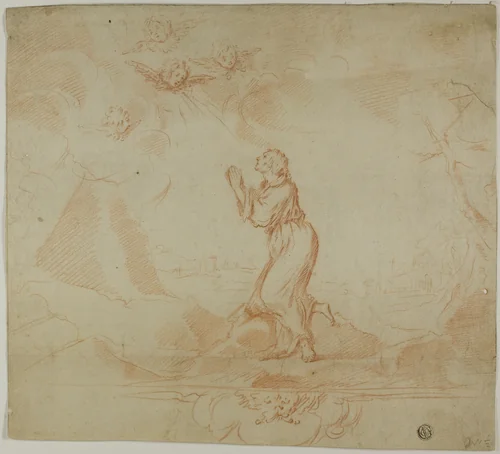
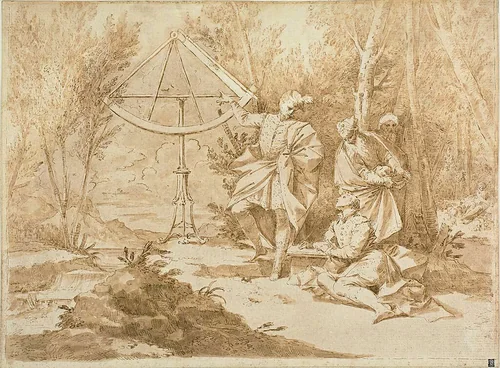
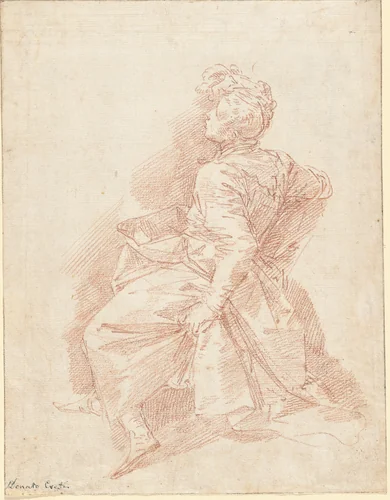
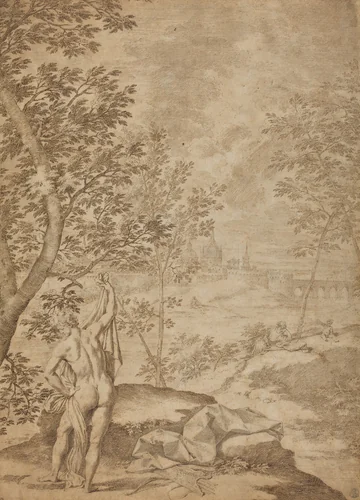
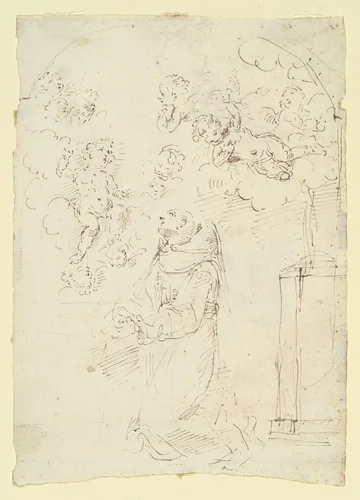
His mastery of both mythological and religious narrative is attested to by surviving works, including fifteen known drawings, such as the dynamic Bathers in a Wooded Landscape and the classically posed Endymion. Creti’s influence extended directly through the Bolognese school, where his formalist principles were absorbed and carried forward by a notable group of followers, including Aureliano Milani, Ercole Graziani the Younger, and Giuseppe Peroni. It is perhaps an understated observation that Creti, through sheer intellectual rigor, managed to make academic formality fashionable in an era devoted to visual levity.
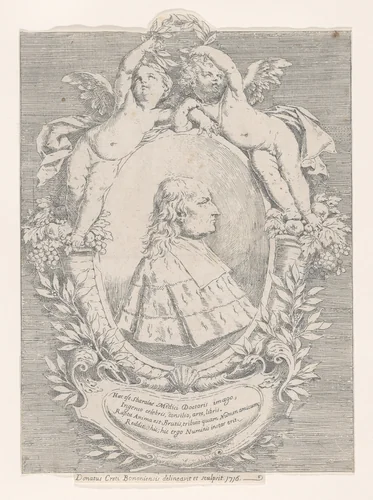
Creti's enduring impact on Italian painting cemented his status as an innovator rather than a mere exponent of the prevailing taste. For contemporary viewers, access to his legacy is broad; many original Donato Creti prints and drawings, often representing the verso and recto of compositions like the Holy Family [recto], are now widely available for scholarly examination as high-quality prints within the public domain.
Source: Wikipedia · CC BY-SA 4.0