Domenico Maria Canuti
Domenico Maria Canuti (1620-1675) stands among the most significant Italian painters of the High Baroque period, specializing in large-scale fresco decorations. Active primarily in the powerful artistic centers of Bologna and Rome, Canuti was recognized as a virtuoso of quadratura and illusionistic ceiling painting, a required technical skill for major ecclesiastical and palatial commissions of the era. His substantial body of work defines the transition between localized 17th-century regional aesthetics and the grand, unifying decorative schemes that characterized the height of the Baroque.
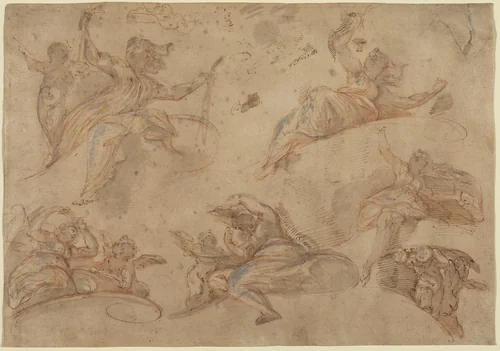
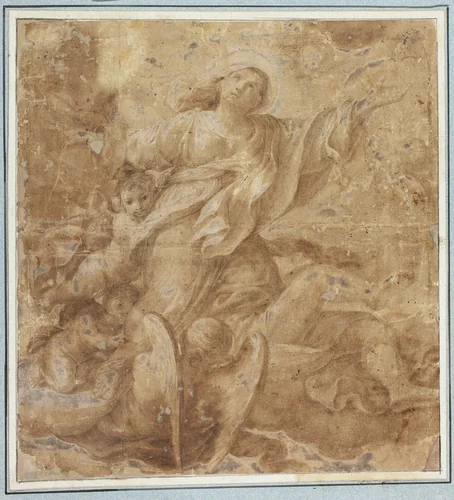
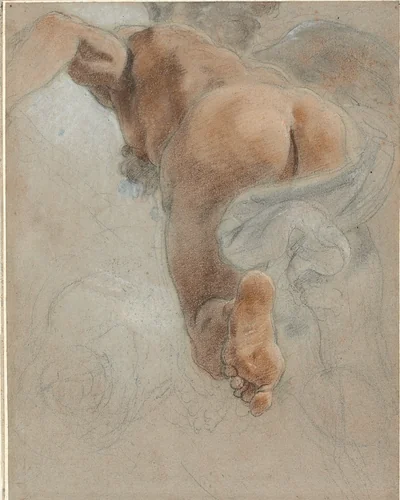
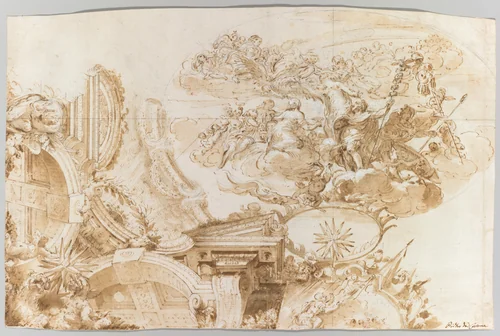
His style represents a powerful and successful fusion of influences. The robust classicism and detailed handling characteristic of the Bolognese school often intertwine seamlessly with the soaring illusionism and dramatic spatial expansion popularized in Rome. Canuti excelled at presenting figures seen radically sotto in sù (from below), utilizing extreme foreshortening to dramatically dissolve the architectural boundaries of the interiors he decorated. This command of perspective is evident in preparatory studies such as Allegorical Figures Seen from Below.
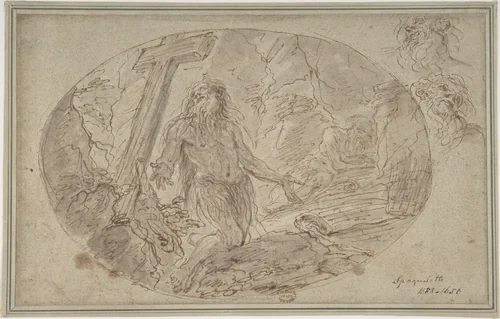
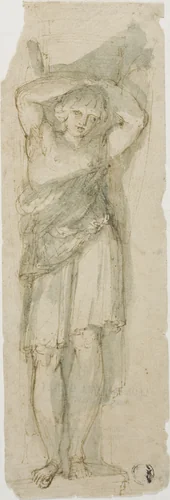
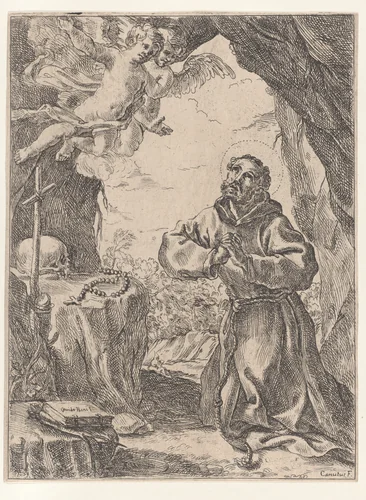
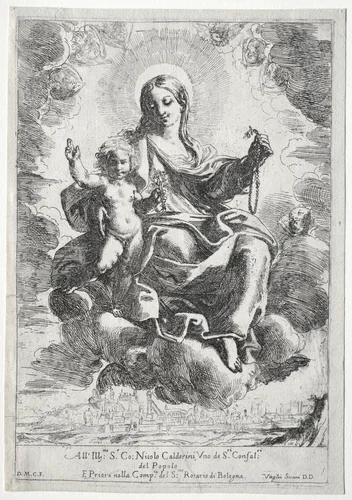
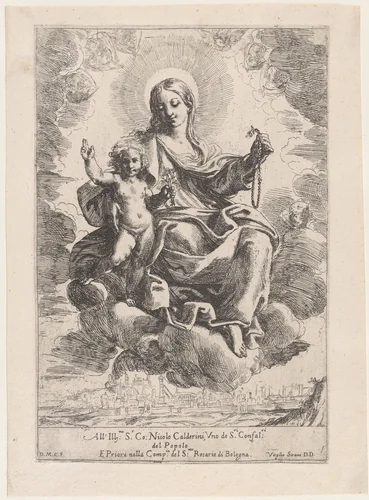
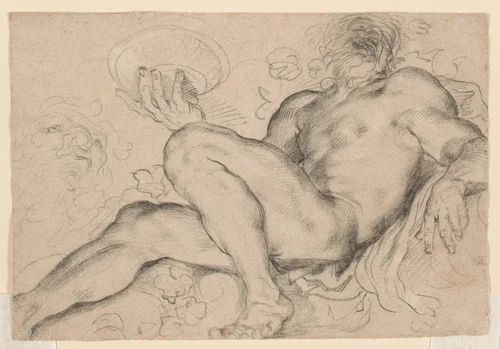
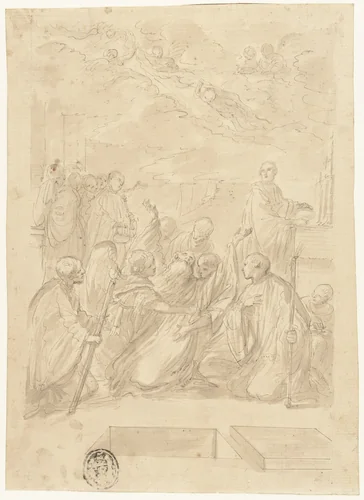
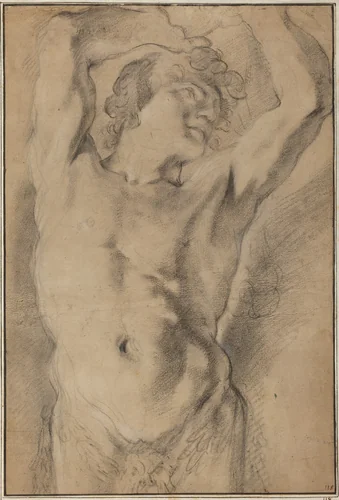
While his monumental ceiling cycles form the core of his historical importance, Canuti’s preparatory media, consisting of over a dozen surviving drawings and three published prints, offer vital insight into his working methods. Studies like the architectural detail Caryatid or the devotional scene Saint Francis of Assisi, kneeling before a crucifix with two angels at upper left, reveal a draughtsman of precision and vitality. Given the colossal scale and physical demands of his fresco campaigns, it is remarkable that his detailed handling of form and light remained so consistently high-quality even in these smaller media.
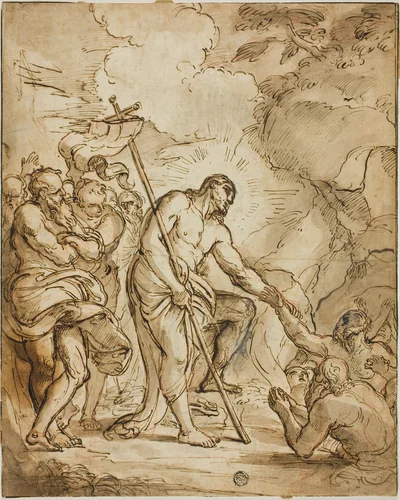
The visual drama and technical ambition of his mythological and religious compositions, including the powerful Descent Into Limbo, secure his place in major global collections, including the Art Institute of Chicago, the National Gallery of Art, and the Cleveland Museum of Art. Researchers and collectors can access the dynamism of his style today through surviving original works and high-quality prints, many of which are now considered public domain and available as downloadable artwork through institutional archives. The continued accessibility of these Domenico Maria Canuti prints ensures his legacy as a pivotal orchestrator of 17th-century decorative art endures.
Source: Wikipedia · CC BY-SA 4.0